
Livraison le jour même ou le lendemain

Qualité garantie

Débloquez vos offres de bienvenue: Livraison GRATUITE | Jusqu'à -80 % | 30 jours d'essai gratuits à JoyPlus
Téléchargez l'application
A good black adhesive tape is an indispensable ally for any DIYer, professional, or homeowner. Yet, choosing the right roll can quickly become a headache. Between promises of "extra-strong" adhesion that fail after a few days and supposedly waterproof tapes that peel off at the first downpour, disappointment is often just around the corner.
As the Head of Product Recommendations at Joybuy, my mission is to help you see things more clearly. Together, we'll break down the most common marketing traps and identify the technical criteria that truly matter for making the right choice, whether for a simple fix or a more ambitious project.
The market is flooded with products in promising packaging, but the reality is often less impressive. Here are the three most common disappointments and our advice on how to avoid falling into the trap.
To avoid making a mistake, focus on the product's technical specifications rather than its marketing slogans. Here are the fundamental points to check.
The secret to a good tape lies in the chemistry between its backing (the tape itself) and its adhesive. Each combination is designed for a specific use.
black duct tape is perfect for temporary repairs, sealing, or reinforcement.black tape cannot perform.Beyond materials, check the performance specifications that match your project.
To move from theory to practice, here are a few products that meet distinct needs, selected based on the objective criteria we've just discussed.
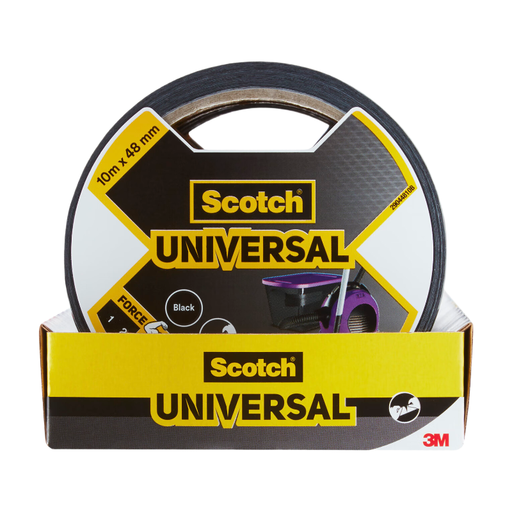
Why we chose it: This is the ultimate all-purpose tape to always have in your toolbox. Ideal for small household repairs, bundling cables, or reinforcing objects, it meets common needs without any fuss.
This tape doesn't claim to be an extreme solution. It provides reliable adhesion for general indoor use, which avoids the disappointment of an oversold product. Its ability to be torn by hand is a real plus.
Versatility and Simplicity: A single tape for a multitude of simple tasks, from repairing a vacuum hose to securing a tarpaulin.
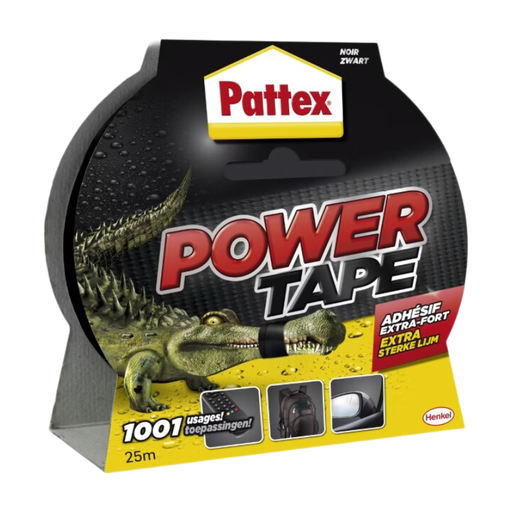
Why we chose it: For heavy-duty jobs that demand flawless hold and true waterproofing. It's designed for durable repairs, both indoors and outdoors, even on difficult surfaces.
Its 3-layer technology (waterproof surface, tough fabric mesh, powerful adhesive) is a verifiable technical feature that justifies its performance. It concretely delivers on its promises of "extra-strong" adhesion and waterproofing.
High Performance: According to the manufacturer, it supports up to 17 kg and its polyethylene surface is 100% waterproof, making it suitable for the most demanding repairs (garden hose, tarpaulin, etc.).
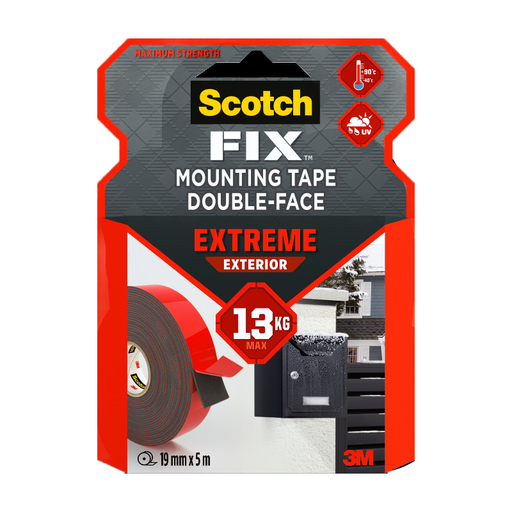
Why we chose it: This is the ideal solution for those who want strong and durable drill-free wall mounting, especially outdoors. Perfect for hanging house numbers, a small mailbox, or garden decorations.
Designed for permanent mounting, it bypasses the residue problem. Its load capacity (up to 13 kg according to the manufacturer) and weather resistance are clearly specified, setting realistic expectations.
Outdoor Resistance: Its acrylic adhesive is specially formulated to resist rain, sun, and temperature changes, ensuring a reliable long-term bond.
Find our complete and up-to-date selection of products that meet these strict selection criteria and current regulations.
To remove an extra-strong adhesive tape, patience is key. Gently heat the tape's surface with a hairdryer to soften the adhesive. Then, slowly peel up a corner and pull the tape parallel to the surface (rather than at a 90-degree angle). For stubborn residue, a cloth soaked in isopropyl alcohol or a dedicated adhesive remover will be effective. Always remember to test on an inconspicuous area first.
Although they can both be black, their uses are radically different. Black duct tape is a general-purpose repair tape that is very mechanically strong but often conductive due to its fabric mesh. Electrical insulation tape, on the other hand, is made of flexible PVC. While less tear-resistant, it is specifically designed to insulate connections and protect against power surges (always check the maximum supported voltage). Using one for the other's purpose can be ineffective, or even dangerous.
Most so-called "waterproof" tapes require application on a clean, dry surface to ensure a perfect bond. However, specific products do exist, such as self-fusing tapes (which merge with themselves) or certain butyl-based tapes, that can be applied to damp surfaces or even directly underwater for an emergency repair. It is imperative to read the manufacturer's instructions carefully for this type of application.