
Livraison le jour même ou le lendemain

Qualité garantie

Débloquez vos offres de bienvenue: Livraison GRATUITE | Jusqu'à -80 % | 30 jours d'essai gratuits à JoyPlus
Téléchargez l'application
A leak in a fitting, an outdoor pipe or a motorhome window cannot always be treated with the same product. Yet packaging often claims “universal” compatibility or exceptional resistance without explaining the limits of use. To choose the right pipe and plumbing sealants, start by identifying the type of joint, the material of the surface and the specific conditions of the job.
A pipe sealing tape or thread sealant for threaded fittings is used on a male-to-female threaded connection. It cannot repair a cracked component, a worn O-ring or a deformed pipe.
By contrast, a waterproof butyl tape is better suited to covering a join, small gap or irregularly shaped surface. It can be used to repair a leak on a roof, window, boat or leisure vehicle, provided the surface is perfectly clean and dry.
A solution suitable for wastewater drainage is not necessarily appropriate for a drinking water, gas or pressurised pipework system. Always check:
For gas and water systems, a temporary repair is no substitute for proper professional work when household safety is at stake. If in doubt, shut off the supply and contact a qualified professional.
Tape that is too narrow will not cover a crack or wide joint properly. Conversely, a very wide model can be difficult to position on a small fitting. Compare the stated width, length and thickness with the surface to be covered, allowing for consistent overlap.
The right format depends above all on the area being treated:
Butyl remains flexible and easily moulds itself to curves, but its adhesion depends heavily on the surface being clean and dry. TAPEBEAR tape specifications state that the products can be used on several materials, including metal, glass, wood, PVC, EPDM and fibreglass. However, this compatibility must be checked for each job, particularly on porous, bitumen-coated or painted surfaces.
For metal and plastic fittings, nylon thread can be more practical than conventional tape. Tangit Uni-Lock is stated to be suitable for cylindrical and tapered threads, with compatibility indicated for sizes up to 4 inches on metal and 1.5 inches on plastic. Always follow the dimensions and instructions shown on the packaging.
Before application, remove all traces of dust, grease and moisture. When using tape, apply even pressure to remove air pockets. Some butyl tapes must be kept out of the rain for 24 hours, according to their product specifications. With PVC adhesive, join the parts quickly after application, then wait for the stated curing time before pressurising the system again.
A pipe wrench can make it easier to remove a fitting, but avoid overtightening it: its teeth can mark plastic or deform a thin component.
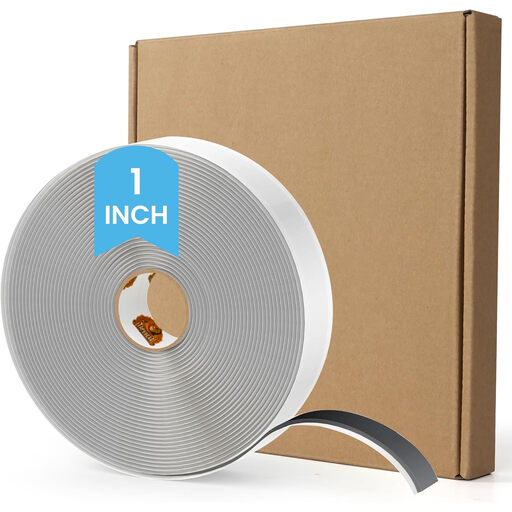
Why this choice suits this profile : At 25 mm wide, this tape is suitable for small plumbing, window, leisure vehicle or irregular-surface repairs, with no specialist tools required.
The width and length are clearly stated, helping you avoid choosing an oversized roll for a small area.
Tape measuring 25 mm wide and 9 m long, presented as compatible with metal, plastic, wood and glass.
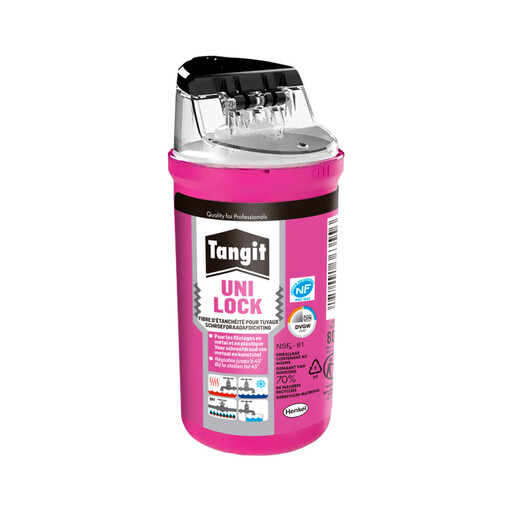
Why this choice suits this profile : This format is designed for repeated installations and for users looking for a neat application on threaded metal or plastic fittings.
The specifications state the winding direction, keeping the first thread visible and allowing the fitting to be adjusted or removed.
80 m reel, applied without hemp or sealing paste, with stated use on cylindrical and tapered threads.
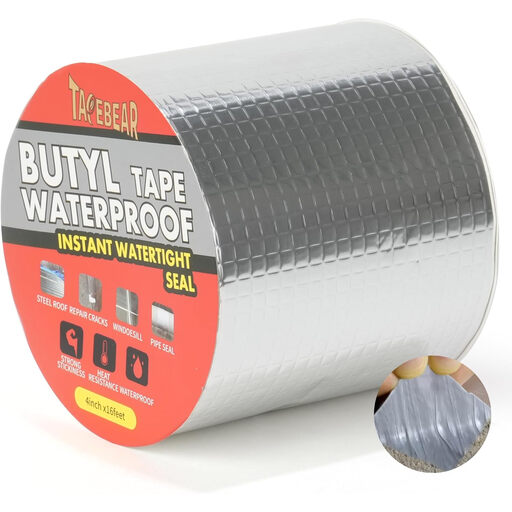
Why this choice suits this profile : Its 100 mm width covers large joins on a motorhome, roof, gutter, boat or outdoor pipe.
The specifications recommend applying it to a clean, dry surface and protecting it from rain for 24 hours — essential conditions for ensuring good adhesion.
100 mm width, stated aluminium reinforcement and ageing-resistant film, for repairs on several materials.
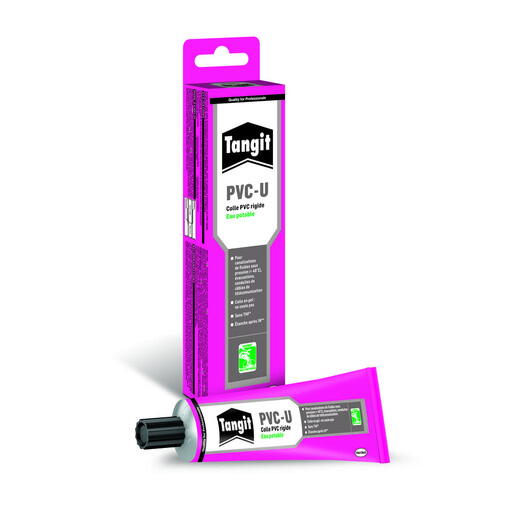
Why this choice suits this profile : This tube is intended for joining rigid PVC-U pipes and fittings in the applications specified in its product details, in a practical format for targeted jobs.
This is not a multi-purpose sealant: it is specifically designed for rigid PVC and requires curing time before the system is pressurised again.
125 g tube, stated for use on PVC-U and, for certain non-pressurised assemblies, on PVC-U with ABS.
We have put together a complete, real-time updated selection of products that meet these strict criteria and European safety requirements.
A thread sealant for threaded fittings or tape intended for this application may be suitable if the thread is intact and compatible with the product. Clean the threads, apply the recommended amount and avoid overtightening. For a gas installation, use only a solution designed for this type of system and comply with the relevant regulatory requirements.
No. Butyl tape creates a flexible barrier over a surface or join. PVC pipe adhesive, on the other hand, joins two rigid parts by bonding them together. On a pressurised PVC system, it must not replace adhesive where the installation requires a permanent connection that complies with the manufacturer’s instructions.
It depends on the cause of the leak, the pressure, the temperature, the material and how well the surface was prepared. Tape applied to a damp or greasy surface may come away quickly. An outdoor repair should also be checked after temperature changes and periods of rain. If the leak returns, replace the damaged component rather than adding more layers.