
Livraison le jour même ou le lendemain

Qualité garantie

Débloquez vos offres de bienvenue: Livraison GRATUITE | Jusqu'à -80 % | 30 jours d'essai gratuits à JoyPlus
Téléchargez l'application
Tired of soulless, mass-produced sodas and fruit juices? The drinks aisle is overflowing with new products making tempting promises, but they often end in disappointment. A unique fruit drink too often turns out to be just a sickly sweet syrup or a "light" beverage with a lingering chemical aftertaste.
To navigate this jungle without making a mistake, here are the common traps to avoid:
To make an informed choice, it's best to ignore the marketing and focus on concrete criteria.
To find a drink that truly delivers on its promises, you need to learn how to decode the label. Here are three key points to check.
The quality of a fruit drink depends above all on its composition. Pay close attention to these two points:
The mouthfeel is essential. It's all a matter of preference:
One of the main attractions of these drinks is the sense of discovery. Looking into their origin is often a great way to find authentic flavours. An Asian drink, for example, will dare to use unique combinations (like lychee and nata de coco), while European brands tend to reinvent classics with higher-quality ingredients.
To help you choose, we've matched consumer profiles with products that perfectly meet their expectations.
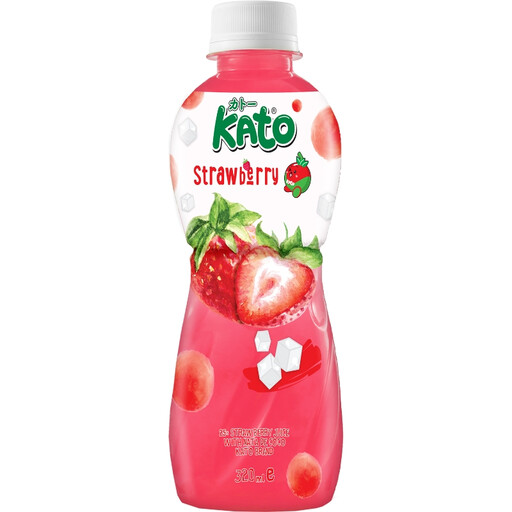
Why it's a match: Perfect for those who want more than just a drink. The combination of strawberry juice and chewy nata de coco pieces offers a 2-in-1 experience that is both thirst-quenching and fun.
Here, the nata de coco isn't just a gimmick. With 16% nata de coco, the texture is a deliberate feature, not just a token addition.
The drink contains 25% strawberry juice (from concentrate), ensuring a pronounced fruity taste that balances perfectly with the sweetness of the nata de coco.
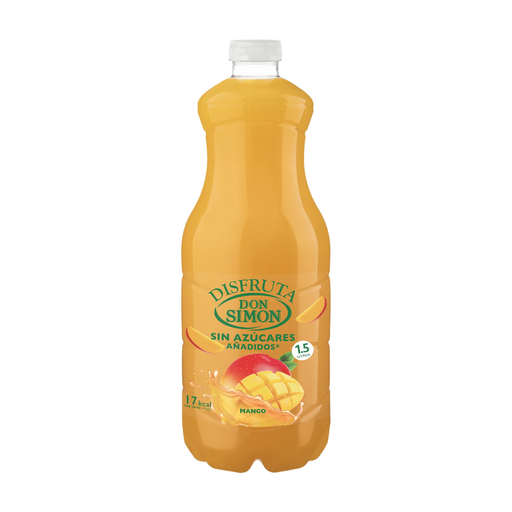
Why it's a match: For those who want the intense flavour of an exotic fruit without the accompanying calories. This nectar delivers a rich, authentic mango taste for a guilt-free treat.
It avoids the pitfall of "light" drinks with a chemical taste. Being free from added sugars, its flavour comes from mango purée, while the sweetener (sucralose) is used judiciously so it doesn't overpower the taste.
Very low in calories (17 kcal/100 ml), yet it offers a genuine mango flavour thanks to the use of fruit purée, not just flavourings.
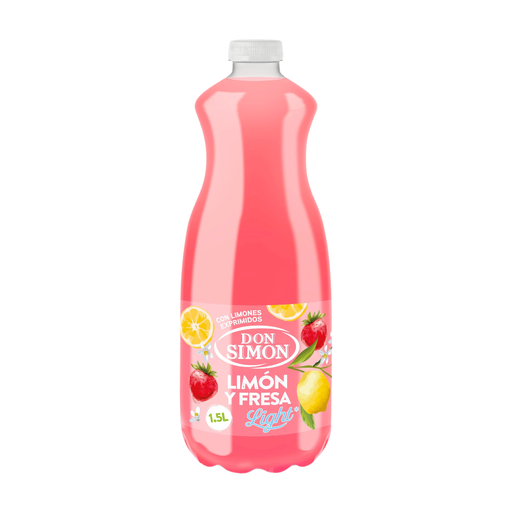
Why it's a match: This is the perfect alternative to classic sodas. This unique lemonade combines the tartness of lemon with the sweetness of strawberry for a sparkling, colourful, and ultra-refreshing result.
Unlike many fruit sodas that just use flavourings, this lemonade contains 7% lemon juice and 1% strawberry purée. The difference in taste is clear.
Low in calories (18 kcal/100 ml) and available in a large format (1.5L), it's perfect for family meals or drinks with friends.
Discover our full selection of drinks that meet our quality criteria and current regulations.
1. How should I store a fruit drink after opening? Once opened, these drinks, especially those high in fruit and low in preservatives, should be kept in the refrigerator. To enjoy optimal freshness and taste, it's best to consume them within 3 to 4 days. Always refer to the instructions on the label.
2. What exactly is nata de coco?Nata de coco is a speciality from the Philippines made by fermenting coconut water. The result? Small, gelatinous cubes with a tender yet firm texture that are very pleasant to chew. In a drink, they add a fun touch and an interesting consistency without having a strong taste of their own.
3. Do low-calorie drinks really taste different? Yes, and the difference can be significant. These drinks replace sugar with sweeteners (sucralose, aspartame, etc.), which can leave a chemical aftertaste for more sensitive palates. While modern recipes are improving, a "no added sugar" drink (which retains the fruit's natural sugars) is often the best compromise for combining lightness with an authentic taste.