
Livraison le jour même ou le lendemain

Qualité garantie

Débloquez vos offres de bienvenue: Livraison GRATUITE | Jusqu'à -80 % | 30 jours d'essai gratuits à JoyPlus
Téléchargez l'application
Nata de coco drinks have flooded the shelves, promising an experience that's as refreshing as it is fun. This blend of fruit juice and small, chewy cubes of coconut jelly, straight from Asia, is winning over more and more fans. However, not all bottles are created equal. Behind the colourful packaging and tempting promises, disappointment often follows. Here are the most common pitfalls that can spoil the experience?:
Decoding the label is therefore the key to making an informed choice and fully enjoying your drink.
To avoid disappointment, a few simple checks can help you verify three key points before you buy. These indicators will help you distinguish a quality drink from a mediocre one.
The first thing to do is to check the percentage of fruit juice. Don't just trust the picture on the bottle?: the ingredients list is your best ally.
Nata de coco is a jelly produced by the fermentation of coconut water. It's this ingredient that gives the drink its unique texture.
These Asian drinks, often from Thailand, may contain various additives to enhance flavour, colour, and preservation.
To help you see more clearly, we have selected products suited for different profiles, based on the objective criteria listed above.
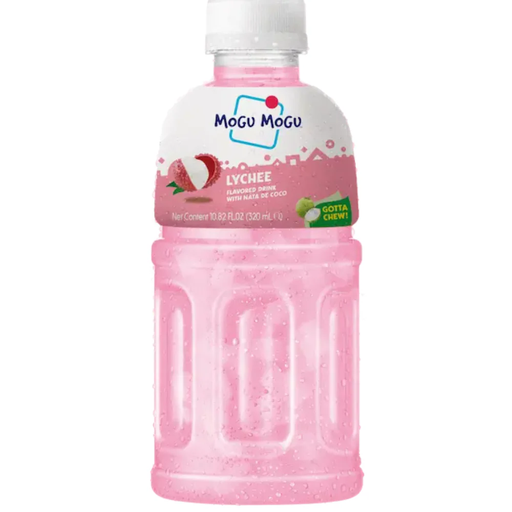
Why we chose it: For those looking for a gateway to Asian flavours, lychee is a classic. This Mogu Mogu drink is iconic and offers an authentic and exotic experience.
The brand is transparent about its composition. It clearly indicates the presence of concentrated lychee juice and nata de coco, avoiding the trap of a "flavoured" drink with no real ingredients.
The balance between the floral aroma of lychee and the texture of the coconut pieces is Mogu Mogu's signature, making it a benchmark in the category.
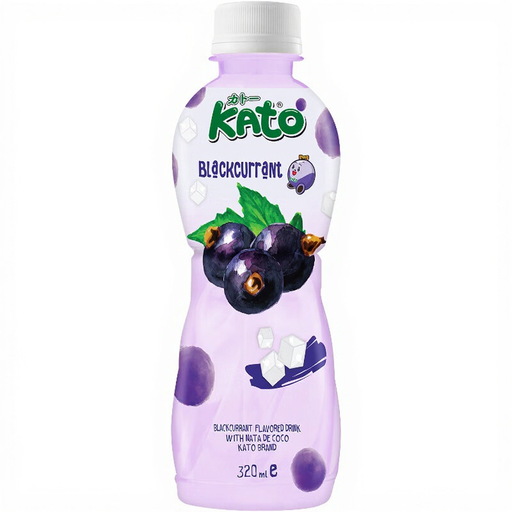
Why we chose it: For family enjoyment, this KATO drink offers a familiar flavour (blackcurrant) while introducing the fun texture of nata de coco. It's a good compromise to gently introduce it to children.
This product stands out for its high juice content (25%) and its use of colourings like E163 (anthocyanins, from a plant source) and E150d, which do not require the warning label for children.
Its composition includes sweeteners (E950, E951) in addition to fructose, resulting in a moderate calorie count (25 kcal per 100 ml) compared to other drinks of its kind.
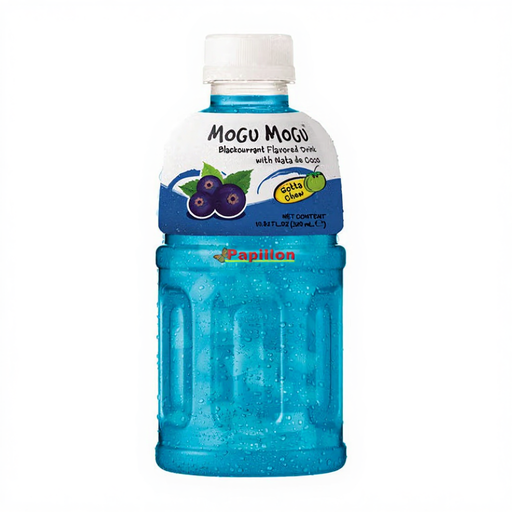
Why we chose it: If the main appeal for you is to "drink and chew," this product is an excellent candidate. The Mogu Mogu brand is renowned for the generous amount of nata de coco pieces in its drinks.
It directly tackles the "phantom texture" pitfall. With 25% nata de coco (listed as "coconut cubes"), it guarantees a noticeable presence of chewable pieces in every sip.
The high concentration of nata de coco provides a maximum sensory experience, making it a top choice for fans of a chewable bits drink.
Explore our full selection of nata de coco drinks that meet our quality criteria and current regulations.
Nata de coco is not a piece of fruit, but a jelly. It is produced through the fermentation of coconut water, a process that creates a firm, translucent, gelatinous substance. Rich in fibre, it is then cut into cubes and added to drinks to provide a chewy texture.
It is advisable to keep the bottle in the refrigerator after opening and to consume it quickly, usually within 24 hours. Be sure to close the cap tightly to preserve the freshness of the drink and the texture of the pieces.
A degree of caution is advised. Due to the presence of solid pieces, manufacturers often state that these drinks may pose a choking hazard, especially for young children. It is recommended that they be consumed under adult supervision.