
Livraison le jour même ou le lendemain

Qualité garantie

Débloquez vos offres de bienvenue: Livraison GRATUITE | Jusqu'à -80 % | 30 jours d'essai gratuits à JoyPlus
Téléchargez l'application
The market for exotic drinks is booming, both on supermarket shelves and in online stores. Among them, the Nata de Coco drink has carved out a prime spot. Loved for its fruity taste and fun texture, this chewable exotic drink from Asia is winning over more and more fans. But with a multitude of brands and flavours, it's easy to make the wrong choice. Some bottles promise a flavour adventure but ultimately deliver a disappointing experience.
As a Product Recommendation Manager at Joybuy, I'm here to help you navigate the options. Let's break down the common pitfalls to avoid so you can find the drink that's truly right for you.
To avoid making the wrong choice again, simply pay attention to a few details on the label. These indicators will help you distinguish a quality drink from a product with slick marketing.
Your first instinct should be to check the composition. A quality drink will always clearly state the percentage of fruit juice it contains. Look for statements like "25% Mango Juice from Concentrate" or "9% Guava Purée". A specific number is a sign of transparency. Conversely, be wary of vague wording that highlights a "flavour" without specifying the fruit content. This is the best way to choose genuine Asian fruit juices over simple flavoured sugar water.
Nata de coco, the famous jelly made from fermented coconut water, is at the heart of the experience. Its quality and quantity are therefore crucial. Brands like Mogu Mogu or KATO have built their reputation on this unique texture. The most reliable labels mention the percentage of nata de coco, which is often around 15% to 25%. This is the best indicator to ensure you get that satisfying chew in every sip.
A quick glance at the ingredient list can be very revealing. Identify the source of sugar (fructose, cane sugar) and the potential presence of artificial sweeteners (like aspartame E951 or acesulfame K E950). Similarly, certain colourings (such as E129, E102, or E110) are sometimes flagged for their effects. Keeping this information in mind allows you to make an informed choice that aligns with your preferences and values.
To guide you, here are a few gems that tick all the boxes, each suited to a different type of consumer.
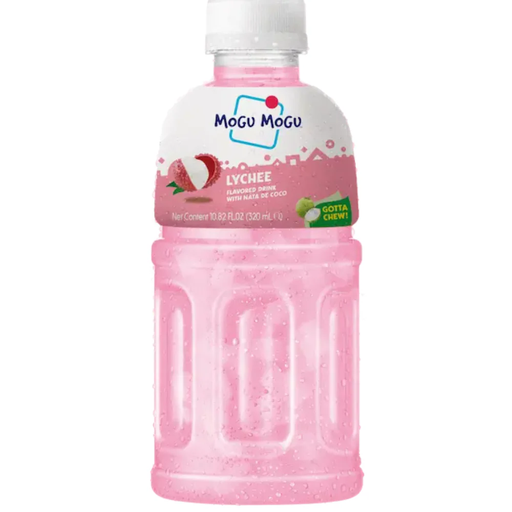
Why it's a match: For those who value texture as much as taste, Mogu Mogu is THE benchmark. The brand has gone all-in on the "drink and chew" experience, making it the ideal choice for fans of fun sensations and lychee juice.
It sidesteps the trap of a barely-there texture. The brand is renowned for its generous amount of nata de coco pieces, guaranteeing a substantial and satisfying chew in every sip.
A generous, chewy texture and an authentic, tried-and-true lychee flavour. A true classic.
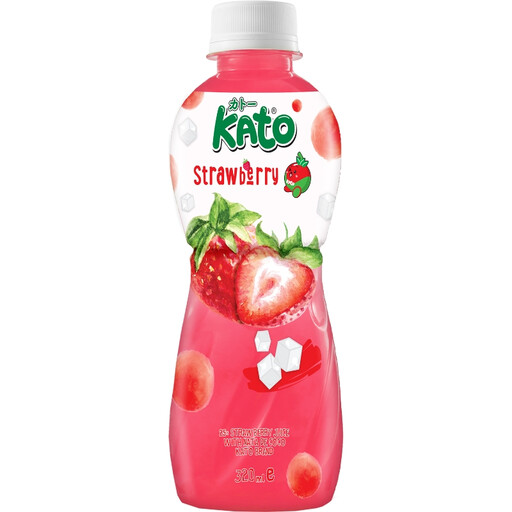
Why it's a match: Perfect for those who want to get acquainted with the texture of nata de coco without diving into overly exotic flavours. The combination of strawberry, a familiar and comforting taste, with coconut jelly is an ideal gateway.
This drink avoids the "fake juice" trap by being transparent: 25% strawberry juice and 16% nata de coco. At least you know exactly what you're drinking!
The blend of a classic, reassuring flavour with an original texture. A good amount of both fruit and nata de coco.
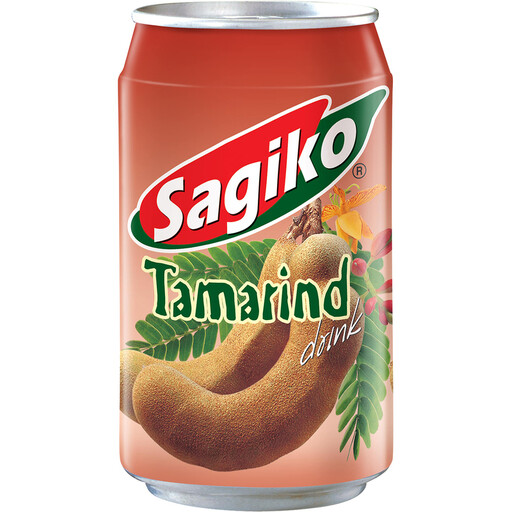
Why it's a match: For those tired of traditional fruit flavours who are looking for a taste experience that's off the beaten path. Tamarind, with its distinctive sweet-and-sour profile, offers a bold alternative and a true dive into the heart of Asian flavours.
This Sagiko juice stands out from standardized tastes. It doesn't try to copy an overdone flavour but instead offers its own unique profile based on tamarind extract. It thus avoids the trap of predictable, artificial flavouring.
A unique and refreshing flavour profile that is both sweet and tangy. It's a drink with no bits, perfect for those who prefer a 100% smooth texture.
We have curated a complete selection of products that meet our quality standards and current regulations.
Nata de coco is a food ingredient originating from the Philippines. It's a firm yet chewy jelly produced through the fermentation of coconut water. High in fibre and low in calories, its taste is quite neutral, allowing it to perfectly absorb the flavour of the juice it's in. This is what gives it its fun aspect and pleasant chewy texture.
To recap, remember these three key points:
The sugar content varies significantly depending on the flavour and brand. Generally, a 320ml bottle contains between 25 and 40 grams of sugar, which is comparable to most commercial sodas or fruit juices. Some varieties include sweeteners to lower the calorie count. The easiest way to know is to check the nutritional information panel on the label: it shows the amount of carbohydrates "of which sugars" per 100ml, allowing for easy comparison between products.