
Livraison le jour même ou le lendemain

Qualité garantie

Débloquez vos offres de bienvenue: Livraison GRATUITE | Jusqu'à -80 % | 30 jours d'essai gratuits à JoyPlus
Téléchargez l'application
You've surely seen them on social media or in your bubble tea: those small, gelatinous, translucent cubes that add a certain something to a drink or dessert. That's nata de coco, an ingredient straight from Southeast Asia that's taking the world by storm. But with a growing number of options, how do you navigate the choices? Whether you're looking for a refreshing drink, a ready-made dessert, or the secret ingredient for your next culinary creation, this guide is for you.
Our mission at Joybuy? To help you sort through the options. Forget the marketing jargon; we get straight to the point to show you nata de coco from every angle and guide you to the product that's truly right for you.
Before you buy, here are a few things to check to make sure you're making the right choice.
Nata de coco comes in several formats, each with its own perfect occasion:
A product's quality is often revealed on its label. For nata de coco, here’s what to look at closely:
There's a nata de coco for every situation.
To put theory into practice, here are three products that perfectly embody the different facets of nata de coco.
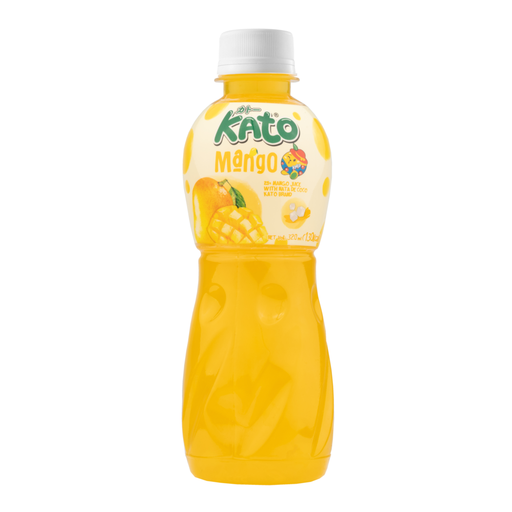
Why we love it: This is the perfect gateway into the world of nata de coco. It combines the sweetness of mango with the fun, surprising texture of the gel pieces. A true drinkable snack, it quenches your thirst while satisfying light hunger. It's quite simply a tropical dessert you can drink.
Key features:
Who is it for? For teens and young adults looking for a drink that's out of the ordinary, both delicious and convenient.
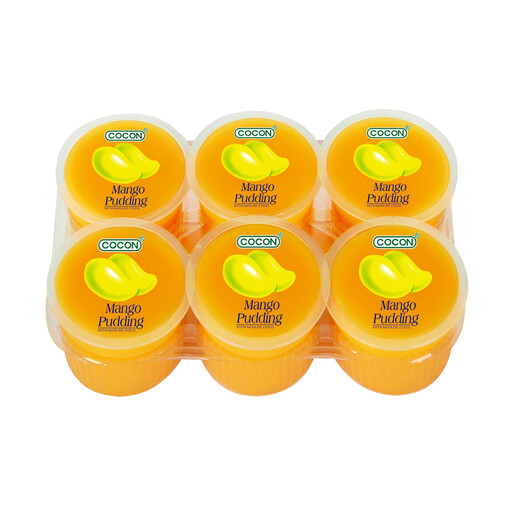
Why we love it: This ready-to-eat Asian dessert is a true culinary journey. The contrast between the melting texture of the pudding and the pleasant chewiness of the nata de coco pieces is a complete success. It's a fresh, light dessert, perfect for ending a meal on a refreshing, exotic note.
Key features:
Who is it for? For families and any foodies curious to discover an Asian specialty, without any cooking required.
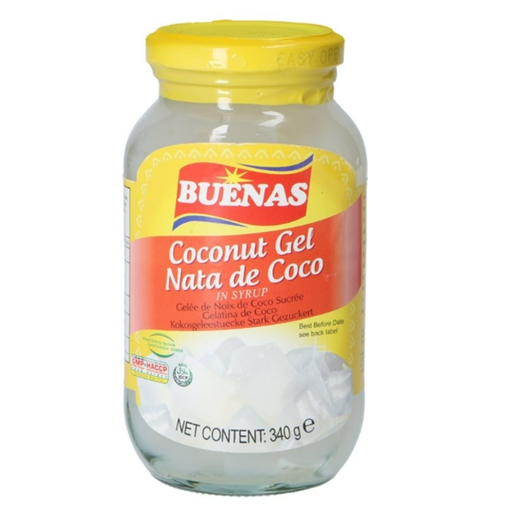
Why we love it: This is the ultimate chameleon ingredient. This jar contains plain nata de coco cubes, simply preserved in a light syrup. It's the raw ingredient that gives you full creative control in the kitchen: you decide the sweetness and the flavours.
Key features:
Who is it for? For creative cooks, fans of homemade bubble tea, and anyone who loves to get hands-on to create unique desserts.
This selection is just a taste. Lychee, pineapple, mangosteen... Nata de coco pairs with a multitude of flavours. To find the one you'll fall for, explore our complete collection.
? Discover Our Entire Coconut Jelly Range
Nata de coco is an ingredient with a gelatinous and translucent texture, originating from the Philippines. It is produced by the fermentation of coconut water through the action of a bacterium (Acetobacter xylinus), which transforms the sugar in the coconut water into a type of perfectly edible cellulose gel. Note that, contrary to what its name suggests, it is not the flesh of the fruit, but a gel obtained from its water.
On its own, nata de coco is very neutral, with a barely perceptible hint of sweetness. Its main appeal lies in its unique texture: a chew that is both firm and slightly springy, which is very pleasant. Its greatest strength? It's a true flavour sponge. It soaks up the taste of the liquid it's steeped in (syrup, juice, milk...), making it incredibly versatile.
Nothing could be simpler! Just drain the plain coconut gel before adding it to your recipes. Let your creativity flow: