Parents looking for a snack to take on the go
You want to have a snack ready between meals for a child aged 1 to 3, without assuming that a bar made for adults is suitable for their age.


For a regular snack for a child aged 1 to 3, don’t automatically choose a low-calorie protein bar designed for weight loss or sport. According to Manger Bouger, children up to the age of 3 need more fat than adults. Choose a snack that suits your child’s age, appetite and ability to chew. If you’re considering a packaged product, check its ingredients and serving size rather than relying on the “low calorie” claim alone.
You want to have a snack ready between meals for a child aged 1 to 3, without assuming that a bar made for adults is suitable for their age.
You check the energy or sugar content on the packaging, but want to know whether cutting calories is a relevant consideration for your toddler’s snack.
You need to take account of the allergens listed on the label and your child’s ability to manage the texture, especially when a product contains pieces.
For a snack for a child aged 1 to 3, first consider whether it suits their age and how they eat. Portability and nutritional values come next.
| What matters | What to check | Who is it for? |
|---|---|---|
| Age suitability | Check the age guidance, serving size and intended use. A bar marketed for weight loss or post-workout recovery doesn’t become a children’s snack just because it’s low-calorie. | If I’m preparing a snack for my toddler, I want it to suit their age rather than an adult calorie-restriction goal. Around 50% of consumers concerned would make this their priority. |
| Ingredients and texture | Read the ingredients list and check which allergens are highlighted, then consider the texture in relation to your child’s ability to chew. | When trying a new product or one containing pieces, I need to be able to take its ingredients into account and consider how my child eats it. Around 30% of consumers would make this a priority. |
| Convenience and serving size | Check the format, then compare the nutritional values per 100 g with the amount you’ll actually serve. | When I need a snack that’s easy to take with me, I also want to understand what the serving size represents. Around 20% of consumers would put convenience and this comparison first. |
A low-calorie bar may meet a stated adult goal without being suitable as a snack for a young child. Manger Bouger points out that children up to the age of 3 need more fat than adults.
Start by checking your child’s age, the serving size and the manufacturer’s intended use, rather than focusing on the calorie count alone.
A claim about protein or sugar doesn’t tell you everything about the ingredients. The HiPRO and Nature Valley Protein products described by their brands, for example, contain ingredients derived from milk or soya; the ingredients vary from bar to bar.
Check the ingredients list and allergens every time you buy. If your child has a known allergy, difficulty swallowing or a medically prescribed diet, seek advice tailored to their needs.
An individually wrapped product tells you nothing about how easily a particular child will manage a compact, sticky or chunky texture.
Choose a texture your child already knows how to manage, and follow the instructions on the packaging.
Different serving sizes can’t be compared directly. The figures per bar may give a different impression from the nutritional information per 100 g.
Compare the values per 100 g first, then work out what they mean for the amount you actually plan to serve.
Carrefour France includes chocolate protein bars in its nutrition and protein range, sold in boxes of four 32 g bars.
Milical positions its nutritional bars as part of a weight-loss plan for adults.
HiPRO presents its caramel-flavoured bar as a protein bar for after exercise.
Nature Valley France features, among other products, a peanut and chocolate Protein bar.
These fruit purées and this biscuit are packaged options to consider for an occasional snack. None is a low-calorie protein bar. Choose according to the age guidance, ingredients and texture, rather than making the calorie count your main consideration.
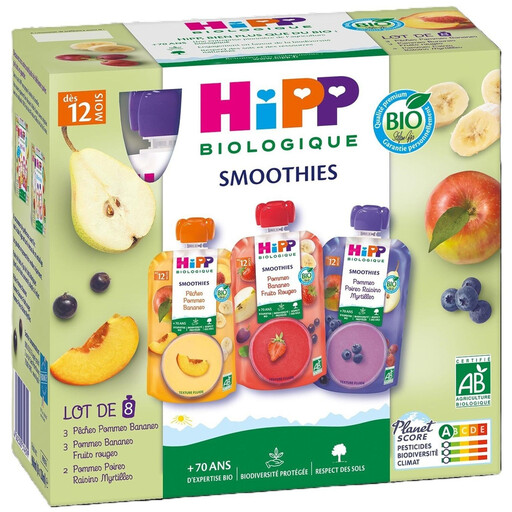 Image unavailable
Worth considering if you’re looking for a packaged fruit snack for a child aged 12 months or over. Check the ingredients, texture and serving size for your child. This is a fruit purée, not a protein bar.
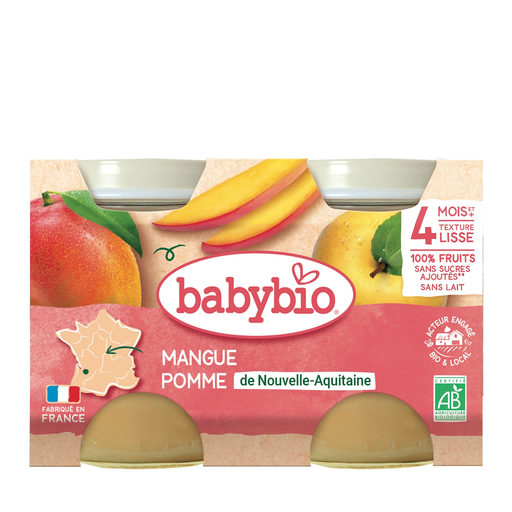 Image unavailable
A two-pot format to consider for a ready-to-serve fruit snack. The “from 4 months” label gives the minimum age stated on the product. Always adapt the serving size to your child’s snack and read the full label.
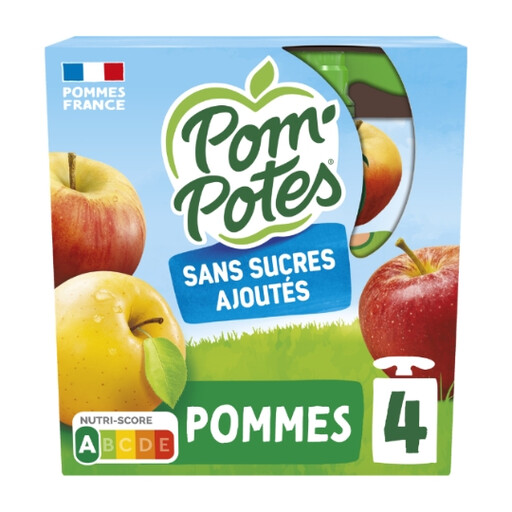 Image unavailable
The individual packs may be useful when you need something portable. Before offering it to a toddler, check the packaging for age guidance, ingredients and serving size. This product is not a protein bar.
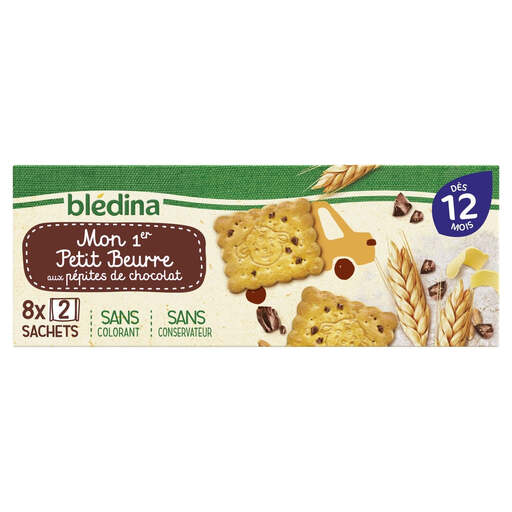 Image unavailable
Consider this biscuit only if your child can manage the chewing requirements stated on the packaging, and supervise them while they eat. Check the allergens and nutritional information before choosing too. This is neither a fruit purée nor a protein bar.
It’s not a choice to make by default. Manger Bouger says children up to the age of 3 need more fat than adults. A bar intended for weight loss or sport isn’t necessarily suitable as a snack for them just because of how it’s marketed.
Choose foods and textures that suit your child’s age, appetite and eating habits, without aiming to restrict calories. Manger Bouger’s guidance for young children covers foods such as dairy products and fruit, including fruit purée depending on their stage of eating.
This claim doesn’t tell you about all the ingredients, allergens, texture or serving size. HiPRO’s caramel-flavoured bar, for example, is positioned around protein intake and post-workout use, not as a snack designed for toddlers.
Check the ingredients list, highlighted allergens and nutritional information. The DGCCRF explains that the nutrition declaration includes energy, fat, sugars, protein and salt, among other details. Compare the values per 100 g, then check the amount you plan to serve.