What should you check?
For a snack for a child under 3, first check that it’s suitable for their age and the way they eat, then look at the ingredients. A particular protein goal needs to be assessed separately from the choice of an everyday snack.
| What matters |
What to check |
Who this matters to |
| Age and texture |
The age guidance and the size or texture of any pieces, depending on your child’s ability to chew them. |
If my child still finds some pieces difficult to eat, I want a texture that’s right for them. Around 50% of consumers make this their priority. |
| Sugars and ingredients |
The ingredients list, the sugar content in the nutritional information and whether sweeteners or polyols are included. |
I want to limit sugary products at snack time and understand what the snack contains. This is the priority for around 30% of consumers. |
| Reason for a particular protein intake |
The specific need raised, your child’s usual diet and the manufacturer’s guidance for the product in question. |
If a particular protein intake is being considered for my child, I first want to know what’s right for their individual circumstances. Around 20% of consumers make this their priority. |
Protein bar brands to know
These ranges are examples of bars marketed around protein intake or sport, not snack recommendations for toddlers.
Barebells
Barebells states that its Original range contains 20 g of protein per bar.
- The format makes it easy for an adult to see the protein content stated by the brand.
- This information doesn’t show that the bar or its texture is suitable for a child under 3.
Grenade
The Carb Killa product listed by Carrefour France is a protein bar associated with sports use.
- Its positioning helps distinguish a sports bar from a snack designed for a young child.
- Check the ingredients and warnings for the specific variant; this positioning doesn’t mean it’s suitable for toddlers.
FULFIL
FULFIL offers protein bars with added vitamins.
- The stated ingredients make it possible to check the formula of each variant, rather than relying on the “protein” claim alone.
- FULFIL says its bars are not recommended for children.
Fruit purées: another snack option
These Joybuy products are fruit purées to consider according to the age guidance and your child’s stage of weaning. They are neither chocolate bars nor products intended to meet a particular protein goal.
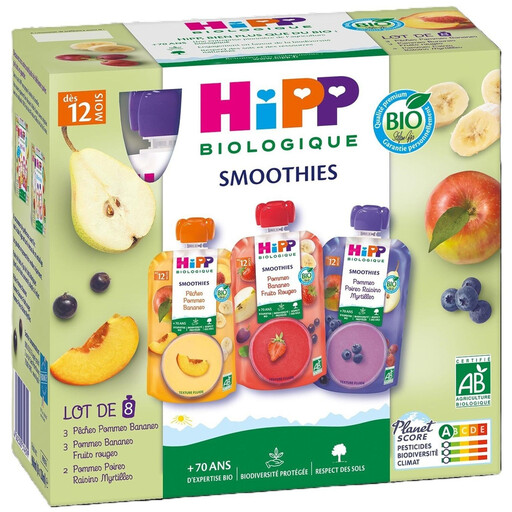 Image unavailable
HIPP organic apple, banana, red fruit and peach purée, 8 × 120 g
A fruit purée to consider if your child is at least 12 months old and this type of snack suits their stage of weaning. The pack contains 8 portions of 120 g. Check the ingredients and instructions on the packaging of the variant you receive.
View on Joybuy
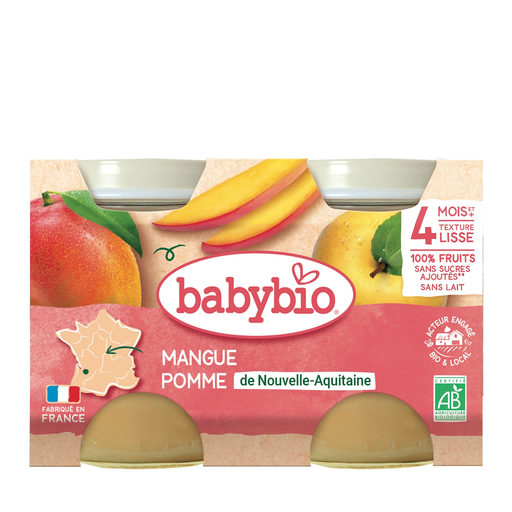 Image unavailable
BABYBIO organic apple and mango purée with no added sugars, 2 × 130 g
This fruit purée is labelled “from 4 months”, but should only be considered if it’s right for your child’s age and stage of weaning. The pack contains 2 portions of 130 g. “No added sugars” does not mean “sugar-free”; check the nutritional information and ingredients on the packaging.
View on Joybuy
Frequently asked questions
Does the French tax on sugary drinks apply to chocolate bars?
No. Article 1613 ter of the French General Tax Code covers drinks and liquid preparations for drinks, not solid chocolate bars. This levy therefore doesn’t tell you how much sugar a bar contains: check its nutritional information.
Is Nutri-Score compulsory on chocolate bars in France?
No. Santé publique France says that producers can choose whether to display the Nutri-Score. If it appears, it provides additional information; if it’s absent, you can’t use that to judge a product’s ingredients.
Is a high-protein bar with no added sugars suitable for a toddler?
Not on the strength of those claims alone. You also need to consider your child’s age, the texture, ingredients and warnings for the specific product. FULFIL, for example, says it does not recommend its bars for children.
Can a sports bar meet a toddler’s recovery needs?
A bar designed for adult sports use can’t tell you what a toddler needs. If you’re considering this purchase because of a particular nutritional concern, have your child’s needs assessed in light of their age and usual diet, rather than choosing a bar based on its protein content.


