
Livraison le jour même ou le lendemain

Qualité garantie

Débloquez vos offres de bienvenue: Livraison GRATUITE | Jusqu'à -80 % | 30 jours d'essai gratuits à JoyPlus
Téléchargez l'application
Essential for any practice, the yoga mat is the foundation of your comfort and safety. For many, especially beginners or those with sensitive joints, a thick yoga mat stands out as the ultimate comfort solution. However, the market is flooded with models where extra thickness can hide major flaws. To avoid buyer's remorse after just a few sessions, it's crucial to know the most common pitfalls.
Here are the two critical mistakes to avoid when buying an exercise mat:
To avoid these disappointments, focus on a few technical specifications that make all the difference. These criteria will guide you to the fitness mat or yoga mat that will truly meet your expectations.
Thickness should be chosen based on your practice, but it is inseparable from the material's density.
The choice of material directly impacts grip, durability, and feel.
A good mat should also be easy to manage day-to-day. A carrying strap is almost essential for taking it to the studio or storing it easily. Also, consider maintenance: a non-porous surface will be simpler to clean and therefore more hygienic in the long run.
To help you make an informed decision, we've selected products that meet our criteria for quality and durability, matching them with typical user profiles.
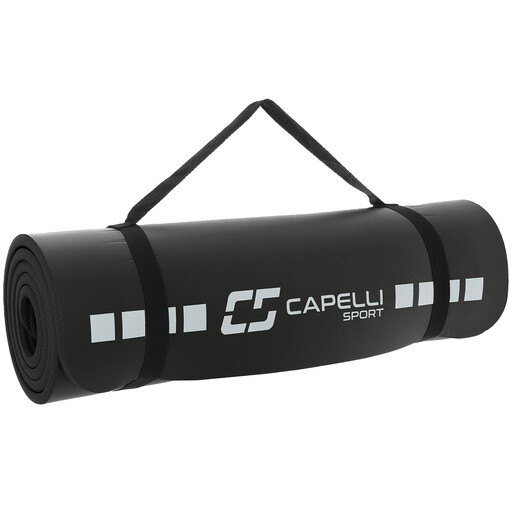
Why we chose it: Its 1.2 cm thickness offers maximum cushioning, ideal for protecting the knees and wrists of beginners or during floor-based fitness exercises. The included carrying strap makes it especially practical.
It avoids the "false thickness" trap thanks to its high-density NBR foam that bounces back. It doesn't flatten and ensures consistent support, unlike low-end foams.
Superior 1.2 cm cushioning for optimal comfort and joint protection. Textured surface for better grip.

Why we chose it: The combination of a cork surface and a TPE base makes this a highly versatile mat. Its 6 mm thickness is a perfect sweet spot, while its grip, which improves with sweat, makes it perfect for intense sessions.
It solves the problem of grip that degrades over time. The natural cork surface provides a grip that intensifies with heat and moisture, ensuring a safe practice, even during Hot Yoga sessions.
Superior grip that activates with sweat. Versatile 6 mm thickness combining comfort and stability.
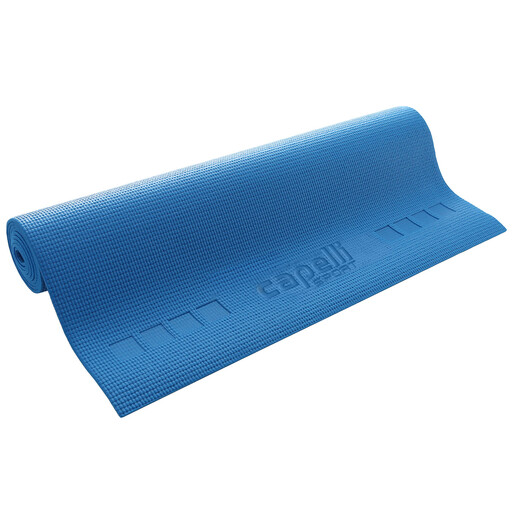
Why we chose it: For those who prioritize stability above all, a moderate thickness of 4 mm is a real asset. This mat offers an excellent connection to the ground, essential for balance poses, while also being lightweight and easy to transport.
It avoids the trap of the thick but unstable mat. By focusing on a moderate thickness, it guarantees a solid and stable base, preventing the imbalance that overly soft mats can cause.
Increased stability for a better connection to the ground. Durable and lightweight PVC design, easy to clean and take anywhere.
Explore our complete, up-to-date selection of products that meet our quality criteria and current standards.
The longevity of an NBR mat depends on its frequency of use and how it's maintained. With regular use and proper care (cleaning after each session, storing away from direct sunlight), a quality model can last between 2 and 5 years. Signs of wear to watch for? The material crumbling, a visible loss of cushioning, or indentations that no longer disappear.
For most materials (NBR, TPE, PVC), the safest and simplest method is to use a damp cloth with a few drops of mild soap or diluted white vinegar. Gently wipe the surface, then "rinse" with another clean, damp cloth. Let it air dry completely before rolling it up. Avoid harsh chemicals and direct sun exposure, which could degrade the material.
While it's a matter of personal preference, a mat this thick is generally not recommended for dynamic practices like Vinyasa or Ashtanga. Its excessive cushioning can hinder the stability needed for quick transitions and balance poses. On the other hand, a 12?mm exercise floor mat is perfectly suited for Pilates, Yin Yoga, or strength training sessions where comfort on the floor is the priority.