
Livraison le jour même ou le lendemain

Qualité garantie

Débloquez vos offres de bienvenue: Livraison GRATUITE | Jusqu'à -80 % | 30 jours d'essai gratuits à JoyPlus
Téléchargez l'application
Slipping during Downward-Facing Dog, feeling your foot slide in the middle of a Warrior pose... It's not only frustrating, but it can also be dangerous. A good non-slip yoga mat is the essential companion for a serene and effective practice, whether you're at home, in a studio, or at the gym.
Faced with an overwhelming array of materials, thicknesses, and sizes, it's easy to feel lost. This guide is here to help you navigate the options. My role, as Head of Product Selection at Joybuy, is to give you objective advice to choose the mat that truly fits your needs, free from marketing jargon.
Before diving into our selection, let's review the essential criteria for making the right choice.
The material of your mat directly influences its grip, durability, and feel.
The thickness of a yoga mat generally varies between 3 and 6?mm.
Standard dimensions are around 183 cm x 61 cm. If you are tall or if your practice includes wide-ranging movements, a large yoga mat will offer you welcome space and freedom of movement.
Your main activity will guide your choice?:
Here is our selection of models that stand out from the crowd, each suited to specific needs.
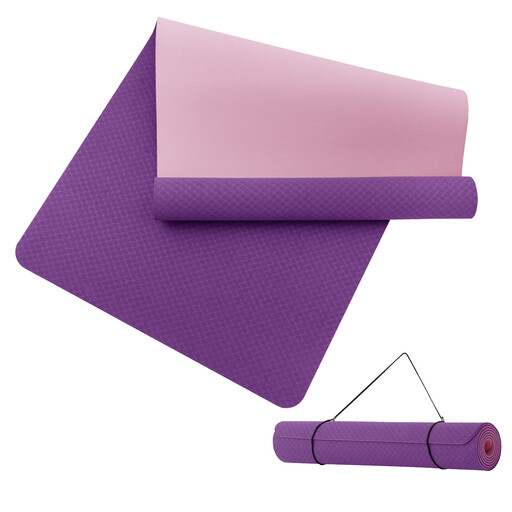
Why it stands out?: Its generous 190 x 80 cm dimensions offer an XXL practice space, ideal for never feeling cramped.
Pros?:
Who is it for?? Ideal for taller individuals or those seeking maximum room for their yoga, Pilates, or fitness routines. It's an excellent all-purpose floor mat.

Why it stands out?: Its natural cork surface, which provides better grip as you sweat.
Pros?:
Who is it for?? Perfect for fans of hot yoga, Vinyasa, and all intense practices. It's also the choice for yogis conscious of their equipment's environmental impact.

Why it stands out?: Its robust PVC design and textured surface make it a versatile and durable companion for all types of exercises.
Pros?:
Who is it for?? The smart choice for those looking for a versatile fitness mat for varied workouts at home or in the gym. Its robustness makes it an excellent first investment.
Every yogi is unique. If you can't find what you're looking for in this selection (thickness, material, design, etc.), feel free to explore our complete collection.
? Discover our full range of non-slip mats on Joybuy
For most mats (TPE, PVC), regular cleaning with a damp cloth and a touch of mild soap is sufficient. Then let it air dry, away from direct sunlight. For a cork yoga mat, a simple damp cloth is enough—and be sure to avoid harsh detergents. And of course, no machine washing!
Although they look similar, their designs meet very different needs. A non-slip yoga mat focuses primarily on grip and stability for holding poses. A fitness mat or exercise mat, on the other hand, prioritises more generous cushioning to absorb the impact of cardio or strength training exercises, even if it means sacrificing some of the precise grip needed for yoga.
Yes, especially in humid conditions! The magic happens thanks to suberin, a natural substance found in cork. When it comes into contact with moisture (your sweat), it increases friction and therefore grip. When dry, its grip is already very good, but it becomes unbeatable when the practice intensifies.