People who check sugar content first
If you want a bag to share during the film, you’ll want to tell the difference between a genuine ‘sugar-free’ claim and a simple claim that the product contains less sugar.


For a film night, start with the ‘sugar-free’ claim and check the ‘of which sugars’ figure per 100 g before choosing a texture and a size to share. Also check the polyols, ingredients and how much everyone might eat: a large bag of chewy sweets and a box of drops to enjoy one at a time serve different purposes.
If you want a bag to share during the film, you’ll want to tell the difference between a genuine ‘sugar-free’ claim and a simple claim that the product contains less sugar.
If the sweets are within easy reach throughout the film, the ingredients and serving size matter just as much as the size of the bag. Some products carry a warning about excessive consumption.
Before sharing, you’ll want to check the ingredients, allergens and whether the sweets contain gelatine, or set aside a portion that suits everyone’s dietary needs.
Start with the claim and nutritional information, then choose the texture and pack size to suit how you’ll serve the sweets during the film.
| Criteria | What to check | Who is it for? |
|---|---|---|
| ‘Sugar-free’ claim | Compare the exact claim on the pack with the ‘of which sugars’ figure per 100 g. Under the European regulation published on EUR-Lex, the ‘sugar-free’ claim is reserved for products containing no more than 0.5 g of sugars per 100 g. | If I’m specifically looking for sugar-free sweets for the film, ‘reduced sugar’ doesn’t meet my first criterion. Around 36% of consumers put this check first. |
| Polyols and serving size | Check the polyol content where it’s listed, any warning on the pack and the weight of the bag. | When a large bag is passed around throughout the film, I’d rather know how much everyone might eat. Polyol content is the main concern for around 29% of consumers. |
| Guests’ dietary needs | Check the ingredients and allergens; consider the carbohydrates and planned portion if a guest follows specific dietary guidance. | If I’m sharing with someone who has dietary requirements, I need to know what’s in the sweets, not just the sugar figure. Around 21% of consumers put this first. |
| Texture and sharing | Choose between drops and chewy or gummy sweets, then check the pack’s weight and closure. | I want a texture my guests will enjoy and a pack that’s easy to pass around without losing track of how much everyone takes. This is the priority for around 14% of consumers. |
These claims aren’t interchangeable. Haribo France advertises Croco Baby as having ‘30% less sugar’, but also lists 35 g of sugars per 100 g for this product.
If ‘sugar-free’ is your criterion, look for that exact claim and check the ‘of which sugars’ figure per 100 g.
Auchan lists 90 g of polyols per 100 g for its sugar-free caramel sweets and 97 g for its sugar-free mint sweets. An E.Leclerc product listing for CONFISEO warns that excessive consumption may have a laxative effect.
Check the information for the specific pack you’ve chosen and decide how much to serve, rather than relying on its total weight alone.
The French Ministry of the Economy says that displaying the Nutri-Score is optional. Whether it appears or not, it doesn’t replace checking the sugars, other nutritional values and ingredients.
If it’s shown on the packaging, use it as additional information and compare the figures per 100 g too.
The claim refers to sugar content, not the product’s overall composition. The French national health insurance service, L’Assurance Maladie, notes in particular that a person with diabetes needs a diet tailored to their needs.
If a guest follows specific dietary guidance, check the ingredients and portion with them. Don’t assume the product is suitable just because it’s labelled ‘sugar-free’.
These examples make it easier to compare specific claims, textures and ingredients; their inclusion here doesn’t guarantee that they’re available at every shop.
The retailer offers, among other things, chewy sweets labelled ‘sugar-free’, as well as products with other sugar-related claims.
The retailer offers, among other things, sugar-free caramel and mint sweets.
The E.Leclerc listing features, among other things, sugar-free herbal sweets under this brand.
Croco Baby is a useful example for telling the difference between gummy sweets advertised as reduced sugar and products labelled ‘sugar-free’.
For a film night, these products presented as sugar-free offer two ways to serve sweets: chewy lemon and ginger sweets, or Ricola blackcurrant drops to enjoy one at a time. Check the nutritional information and ingredients on the pack you choose before sharing.
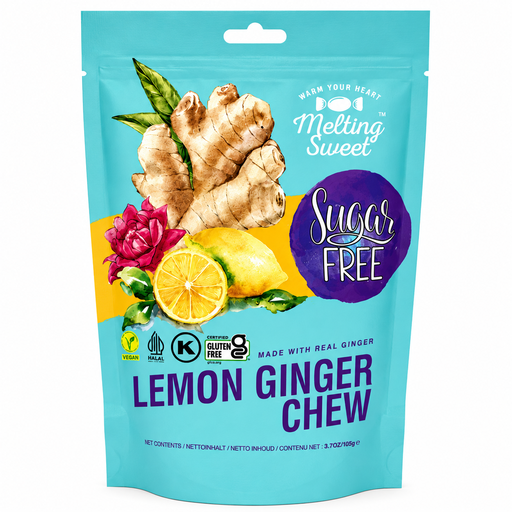 Image unavailable
A chewy lemon and ginger option if you prefer this texture for your film night. The bag is shown as a 105 g pack; if you’re sharing, check the ingredients and how much to serve each person on the packaging.
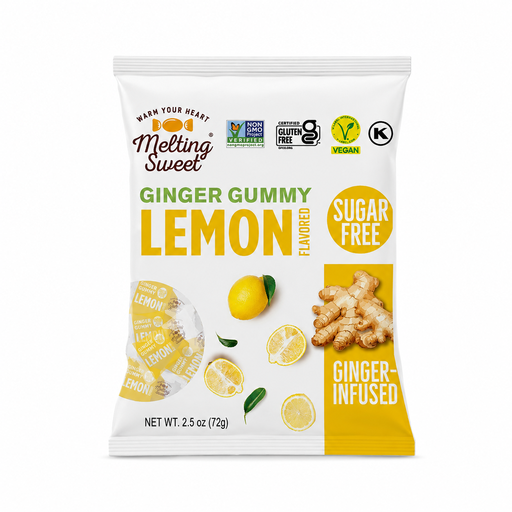 Image unavailable
This 72 g pack is for anyone looking for chewy ginger and lemon sweets rather than drops. Before offering them to guests, check the ingredients, allergens and any warnings on the pack.
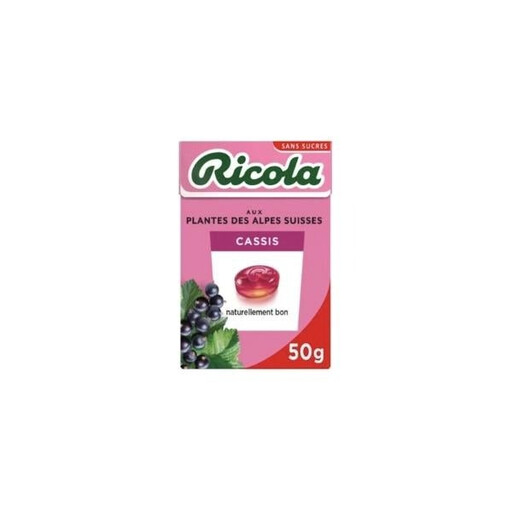 Image unavailable
A 50 g tin of blackcurrant drops to consider if everyone prefers to have one sweet at a time. If you’re sharing between several people, check the ingredients and nutritional information on the pack rather than working out portions from the tin’s size alone.
Under the European regulation on nutrition claims, published on EUR-Lex, a product labelled ‘sugar-free’ must contain no more than 0.5 g of sugars per 100 g or 100 ml. For sweets, compare the claim on the pack with the ‘of which sugars’ figure per 100 g; ‘no added sugars’ and ‘reduced sugar’ are different claims.
No. The French Ministry of the Economy says the Nutri-Score is optional in France, while nutritional declarations on pre-packed foods are generally compulsory, as explained by the DGCCRF. Whether or not the logo appears on the pack, read the nutritional values per 100 g and the ingredients list.
The weight of the bag alone isn’t enough to decide. Check its polyol content and any warning about excessive consumption: the E.Leclerc listing for CONFISEO herbal sweets mentions possible laxative effects. Then decide how much to serve, taking account of who’s there.
No: the ‘sugar-free’ claim alone doesn’t establish that a product suits their needs. L’Assurance Maladie explains that a diet for someone with diabetes should be tailored to the individual; the portion and composition of the sweets should be considered as part of that person’s specific dietary guidance.