Who is this choice for?

Parents filling a homemade calendar

You’re looking for small sweets to divide between the compartments, and want to check the “sugar-free” claim on every product. Carrefour’s selection includes sugar-free mints, boiled sweets and caramels. Their shape and packaging matter just as much as their flavour when you’re putting together your calendar.

People looking specifically for sugar-free sweets

You’ll need to distinguish between “sugar-free”, “no added sugar” and “reduced in sugar”. The product name, ingredients and “of which sugars” figure per 100 g will help you check what’s in the product, rather than relying on the front of the pack alone.

People who pay close attention to ingredients

If the sweets will be eaten regularly throughout Advent, you’ll want to check the sweeteners, allergens and any warnings on the packaging. Some sugar-free sweets contain polyols, and Anses also highlights the risks of regularly eating large amounts of liquorice-based products.

What should you check?

For a 24-compartment calendar, check the sugar claim, the size and format of the sweets, and their ingredients, in that order.

Criterion What to check Who is it for?
“Sugar-free” claim Compare the exact claim, the “of which sugars” figure per 100 g and the ingredients. “Reduced in sugar” does not mean “sugar-free”. If you want genuinely sugar-free sweets, a simple reduction in sugar won’t meet your needs. Around 42% of consumers rank this distinction as their top priority.
Sweet format Check the number of pieces, their size compared with the compartments, and whether they are individually wrapped. To divide the sweets between 24 days, you’ll need pieces that fit in the compartments and enough of them. This is the main requirement for around 33% of consumers.
Ingredients and warnings Read the list of sweeteners, check the allergens and warnings, and look out for liquorice if you’re planning to include it often. If the same sweets will feature throughout Advent, their ingredients and the guidance on the packaging become especially important. Around 25% of consumers prioritise this check.

Mistakes to avoid

  • Assuming “reduced in sugar” means “sugar-free”

    According to HARIBO France, its Croco Baby sweets carry the claim “30% less sugar” while containing 35 g of sugars per 100 g. This relative reduction therefore won’t meet the needs of anyone looking for sugar-free sweets.

    If you’re looking for sugar-free sweets specifically, check the exact claim and the “of which sugars” figure per 100 g on every pack.

  • Expecting every bag to display a Nutri-Score

    The DGCCRF explains that Nutri-Score is voluntary in France. If it’s not shown, you’ll still need to read the nutritional information: nutrition labelling is compulsory for most prepacked foods.

    If the logo appears on the packaging, read it alongside the nutritional values and ingredients rather than using it as your only criterion.

  • Overlooking warnings about polyols

    Polyols may be used in some confectionery instead of sugars. Eating too many can have a laxative effect, so the “sugar-free” claim is no reason to skip the packaging information.

    Check the ingredients and warnings before putting several sweets of this type in the calendar.

Brands to know when comparing formats

Carrefour

Carrefour’s sugar-free range includes different flavours and shapes, such as fruit, coffee and cream sweets. It’s a useful point of comparison when choosing pieces for the compartments of a homemade calendar.

  • Several types of sugar-free sweets feature in its online range.
  • Check the packaging and product information for each item before planning to fill all 24 compartments.

Ricola

The sugar-free Ricola products featured by Carrefour are mainly herbal, fruit or liquorice lozenges.

  • A format worth considering if you prefer lozenges to soft sweets.
  • This selection won’t suit you if you’re looking for jelly sweets in a variety of shapes.

La Vosgienne

The sugar-free La Vosgienne products listed by Carrefour include boiled sweets in pine, lemon and blackcurrant flavours.

  • These are sweets to suck, so check their size before filling the compartments.
  • The products mentioned are not a range of jelly sweets.

Werther's

Carrefour features a sugar-free Werther's cream sweet, which is worth considering if you prefer this flavour to mint or fruit.

  • Another flavour to add variety to your calendar.
  • Check the number of pieces before relying on a single bag to fill every compartment.

Haribo

HARIBO Croco Baby is included here to show the difference between reduced-sugar and sugar-free products; it is not an example of sugar-free sweets.

  • According to HARIBO France, this product carries the claim “30% less sugar”.
  • HARIBO France also states that it contains 35 g of sugars per 100 g, so it isn’t suitable if you’re looking specifically for a “sugar-free” product.

Sugar-free sweets on Joybuy

These sugar-free products could work in a homemade calendar, whether you’re looking for soft gummies or lozenges. Check the number and size of the pieces in each pack before planning how to divide them between the compartments.
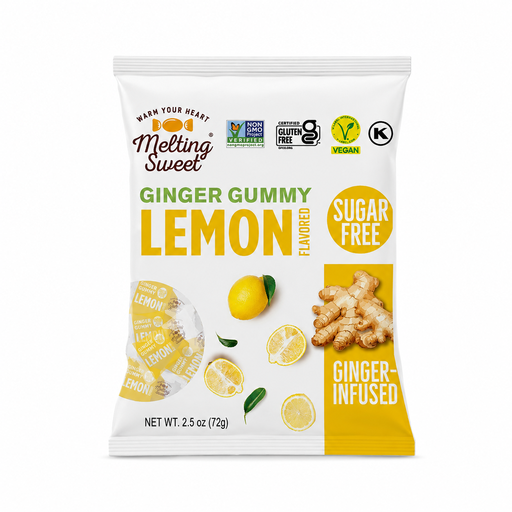
MELTING SWEET sugar-free ginger and lemon soft gummies, 72 g

MELTING SWEET sugar-free ginger and lemon soft gummies, 72 g

Worth considering if you’d prefer soft sweets rather than lozenges in your calendar. The sweets are listed as individually wrapped, so check how many pieces are in the pack and whether they’ll fit in your compartments. The product information notes that they contain coconut and may have a laxative effect if eaten in excess.

View on Joybuy
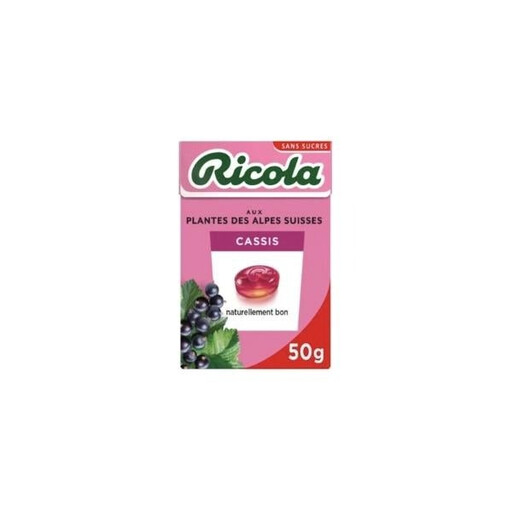
RICOLA Blackcurrant, sugar-free herbal lozenges, 50 g

RICOLA Blackcurrant, sugar-free herbal lozenges, 50 g

This pocket-sized pack could suit you if you prefer blackcurrant lozenges. Check the number of lozenges and how they’re packaged before dividing them between the compartments. The ingredients include isomalt, so read the packaging warnings if you’ll be eating them regularly throughout Advent.

View on Joybuy
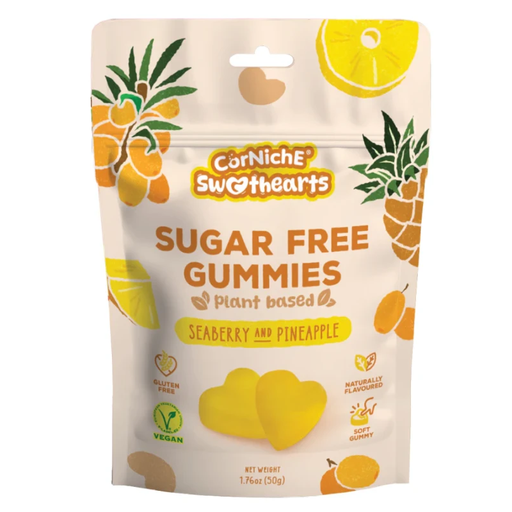
Corniche Sweethearts sugar-free seaberry and pineapple gummies, 50 g

Corniche Sweethearts sugar-free seaberry and pineapple gummies, 50 g

Worth a look if you’re after fruity gummies rather than lozenges. Check the number of pieces and whether they’re individually wrapped before preparing the compartments. The ingredients include maltitol and isomalt, so check the warnings on the pack.

View on Joybuy

Frequently asked questions

Is Nutri-Score compulsory on sweets sold in France?

No. The DGCCRF says that Nutri-Score is voluntary in France, while nutrition labelling is compulsory for most prepacked foods. If the logo isn’t shown, check the nutritional values, ingredients and allergens rather than making assumptions about what’s in the sweet.

Does “no added sugar” mean “sugar-free”?

No, these claims aren’t interchangeable. If you’re looking for sweets labelled “sugar-free”, check the wording on the pack and the “of which sugars” figure per 100 g.

Why check the polyol content of sugar-free sweets?

Polyols can replace sugars in some confectionery, and eating too many can have a laxative effect. Before dividing these sweets between several days, read the ingredients and the product-specific warnings.

How should you divide the sweets between the 24 compartments?

Measure the compartments, then check the number and size of the pieces and how they’re packaged before choosing your bags. If you’re mixing different products, check the ingredients and allergens for each one, as they can vary.

Can you include liquorice sweets in the calendar regularly?

Avoid making them a daily choice without considering the person’s overall intake. Anses warns that regularly eating large amounts of liquorice-based foods can cause serious effects.