People looking for sugar-free sweets
You want to tell the difference between confectionery labelled ‘sugar-free’ and a recipe that is simply reduced in sugars. Sugars, carbohydrates and polyols are not the same thing.


When choosing sugar-free sweets for a snack, first check the claim and the ‘of which sugars’ line, then the ingredients, polyols and allergens for the exact product. ‘Sugar-free’ does not mean ‘carbohydrate-free’, and any warning about laxative effects is also worth taking into account. In France, the DGCCRF explains that Nutri-Score is voluntary, while nutrition information is mandatory on most prepacked foods.
You want to tell the difference between confectionery labelled ‘sugar-free’ and a recipe that is simply reduced in sugars. Sugars, carbohydrates and polyols are not the same thing.
If you’re sharing sweets for a snack, you’ll want to check the ingredients and consumption warnings. E.Leclerc, for example, states that excessive consumption of its sugar-free Confiseo herbal sweets may have laxative effects.
Before choosing sweets for several people, check the ingredients and allergens. The sugar-free caramel sweets featured by Auchan contain milk, for example; this does not apply to all sugar-free sweets.
For a snack, start with the ‘sugar-free’ claim, then check what the recipe and format mean for the people who’ll be eating the sweets.
| Criterion | What to check | Who is it for? |
|---|---|---|
| Claim and sugars | The exact claim and the ‘of which sugars’ line per 100 g; don’t confuse ‘sugar-free’ with ‘reduced in sugars’. | I’m looking for confectionery that genuinely carries a ‘sugar-free’ claim, not just a recipe with less sugar. Around 33% of consumers are said to prioritise this distinction. |
| Polyols | The ingredients list, the amount of polyols if shown on the label, and any warning about excessive consumption. | If I’m sharing sweets for a snack, I want to take polyols and warnings into account before choosing portions. This is said to be a priority for around 27% of consumers. |
| Ingredients and allergens | The ingredients and allergens highlighted on the packaging of the variant you’ve chosen. | If several people are sharing the sweets, I need to choose a recipe that suits their dietary requirements. Around 20% of consumers are said to put this first. |
| Flavour and texture | The flavour and type of sweet – hard, chewy or gummy – without assuming that its flavour tells you how much sugar it contains. | I want a flavour and texture that work for a snack, while being happy with the characteristics of the recipe I choose. This is said to be the top criterion for around 20% of consumers. |
Haribo France describes Croco Baby as containing 30% less sugar, but also states that it contains 35 g of sugars per 100 g. This relative reduction does not meet the requirements of someone specifically looking for sugar-free sweets.
Read the exact claim and compare the ‘of which sugars’ line per 100 g for the product you’re considering.
The sugar-free fruit sweet featured by Carrefour contains 95 g of carbohydrates and 235 kcal per 100 g. So the claim about sugars alone does not tell you everything about the product’s nutritional values.
Compare sugars, carbohydrates and energy on the same per-100 g basis, as well as polyols where these are listed.
E.Leclerc warns that excessive consumption of its sugar-free Confiseo herbal sweets may have laxative effects.
Read the warning on the packaging of the product you choose and bear it in mind when planning portions for a snack.
In France, the DGCCRF describes Nutri-Score as a voluntary label. Its absence alone does not show that a product is non-compliant or nutritionally inferior.
If it is displayed, consider it alongside the nutrition information and ingredients list, rather than using it as your only criterion.
Carrefour offers, among other options, sugar-free hard sweets in fruit and caramel flavours.
Auchan offers sugar-free sweets in several flavours, including fruit and caramel.
This E.Leclerc brand offers sugar-free hard sweets in herbal, mint and liquorice flavours, among others.
Haribo Croco Baby is included here as a comparison for a reduced-sugar recipe, not as a ‘sugar-free’ product.
These products let you choose sweets described as sugar-free, based on the flavour, texture and format you’d like for a snack. Compare the label on the variant you buy, particularly its nutrition information, ingredients and warnings.
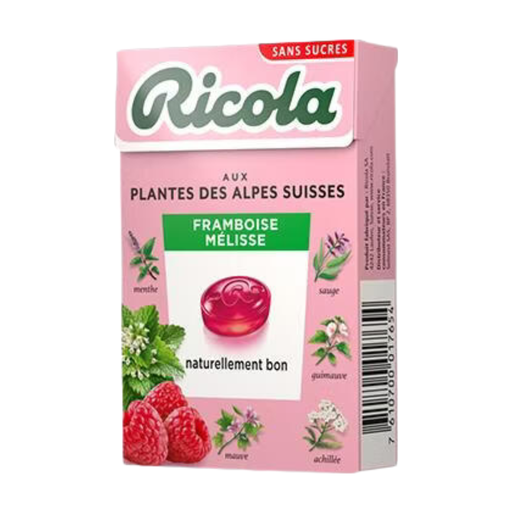 Image unavailable
The pocket-sized box is worth considering if you’d like to take sweets with you for a snack. Check the sugars, carbohydrates and polyols on the label for this product.
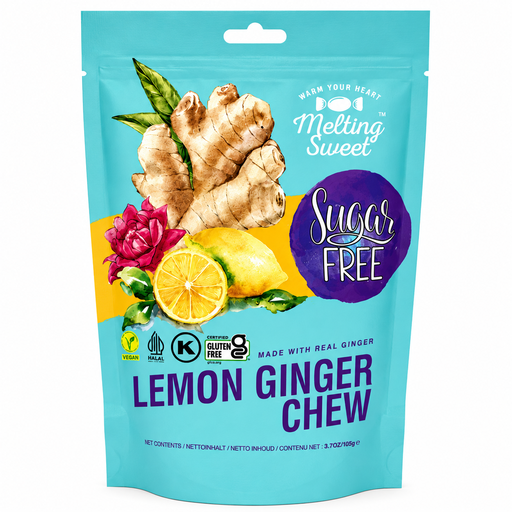 Image unavailable
Worth considering if you prefer a lemon and ginger chew to a hard sweet. Read the ingredients and any consumption guidance for the variant you choose.
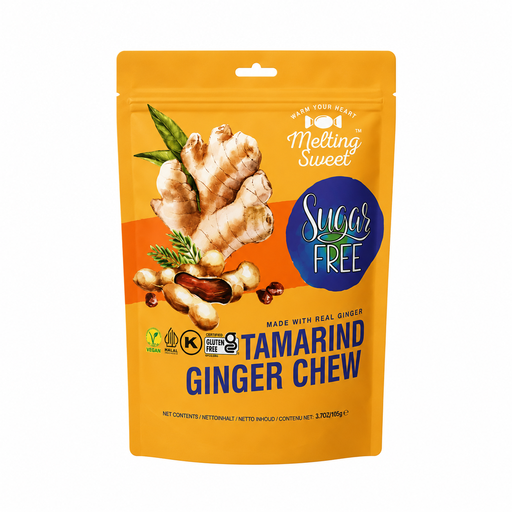 Image unavailable
The tamarind and ginger flavour offers another option in the same chewy format. If you’re sharing them as a snack, check the ingredients, allergens and warnings on the packaging.
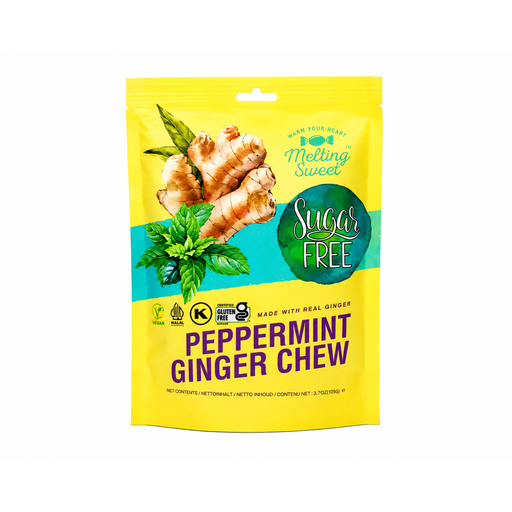 Image unavailable
This chew combines ginger and peppermint if you’re looking for this flavour pairing. Compare its nutrition information and ingredients with those of the other flavours you’re considering.
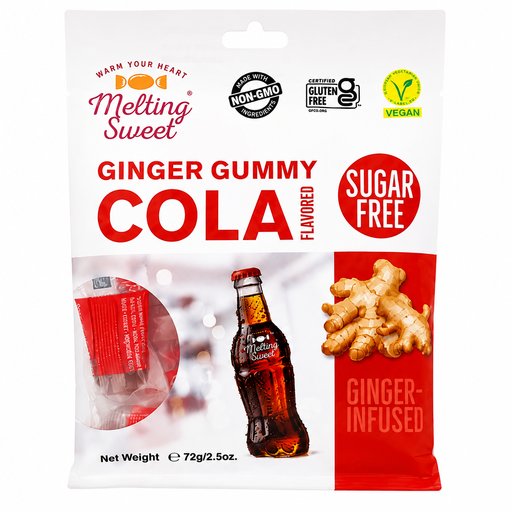 Image unavailable
The gummy texture sets this variety apart from the hard sweets and chews in the selection. Check the label for sugars, other carbohydrates and warnings before deciding on portions.
No. The DGCCRF explains that Nutri-Score is voluntary, so its absence is not in itself a reason to rule out a product. Nutrition information, however, is mandatory on most prepacked foods. Check it alongside the ingredients list.
Read the exact claim and the ‘of which sugars’ line per 100 g on the variant you plan to buy. ‘Reduced in sugars’ does not mean ‘sugar-free’: Haribo France states that Croco Baby contains 35 g of sugars per 100 g, even though the brand says it has 30% less sugar.
No: the ‘sugar-free’ claim does not override consumption guidance. E.Leclerc warns that excessive consumption of its sugar-free Confiseo herbal sweets may have laxative effects. Read the packaging for the product you choose before deciding on portions.
No. The sugar-free caramel sweets featured by Auchan contain milk. If this matters to you, check the allergens highlighted in the ingredients list for the exact product.