What should you check on the pack?
Start by checking for both claims on the exact product you’re considering, then compare the nutritional information and ingredients.
| Criterion |
What to check |
Who it matters to |
| Gluten-free and sugar-free |
Look for both claims on the same product, then check the allergens and any “may contain” statements for the pack size you’ve chosen. |
If gluten-free is essential and I also want to avoid sugar, one claim on its own isn’t enough. Around 50% of shoppers rank checking both claims as their top priority. |
| Nutritional comparison |
Compare the exact claim, the sugars per 100 g and the portion you’ll eat. Check the Nutri-Score if one is shown. |
If I mainly want to tell the difference between reduced-sugar and sugar-free products, I read the nutrition table rather than relying on the front of the pack. This is the top priority for around 30% of shoppers. |
| Ingredients and warnings |
Look out for polyols, liquorice and any warnings about excessive consumption. |
When choosing sweets made with sweeteners, I first want to know what they contain and what precautions are listed on the pack. This is the main concern for around 20% of shoppers. |
Sweets selected on Joybuy
These sweets are described as gluten-free and sugar-free. Compare their flavours, pack sizes and ingredients, then check the claims on the pack you receive.
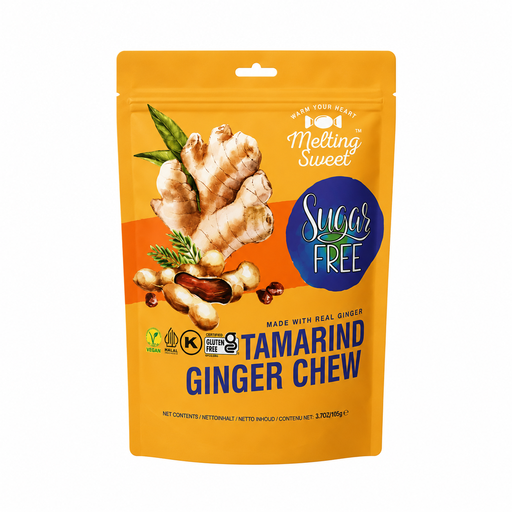 Image unavailable
MELTING SWEET, tamarind and ginger chews, 105 g
Worth considering if you’re looking for both claims on a chewy sweet: the product listing describes this product as gluten-free and sugar-free, with 0 g of sugars per 100 g. The sweets are described as individually wrapped. Read the warning about possible laxative effects if consumed in excess, and check the claims on the exact pack.
View on Joybuy
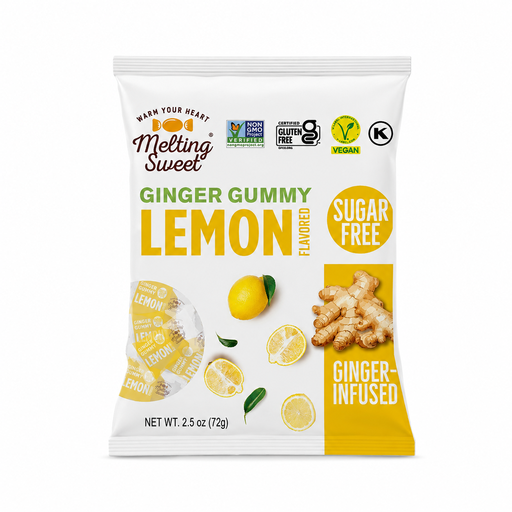 Image unavailable
MELTING SWEET, ginger and lemon gummies, 72 g
This lemon-flavoured option may suit you if you’re looking for sweets described as both gluten-free and sugar-free. The product listing states that they contain 0 g of sugars per 100 g and are individually wrapped. Check the claims, allergens and warning about excessive consumption on the pack.
View on Joybuy
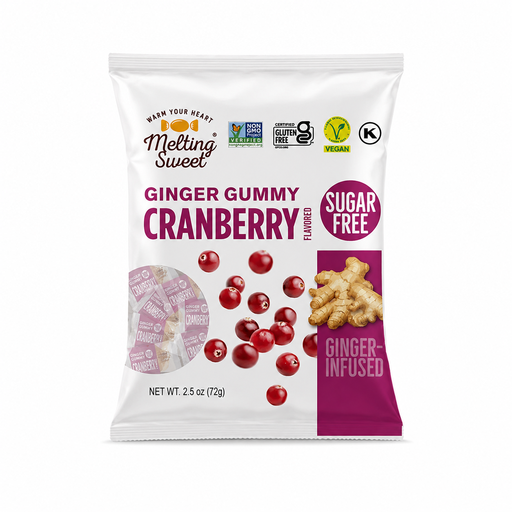 Image unavailable
MELTING SWEET, ginger and cranberry gummies, 52 g
If you’d like to compare another flavour, this product is described as gluten-free and sugar-free, with 0 g of sugars per 100 g. The listing describes the sweets as individually wrapped and includes a warning about excessive consumption. Check the claims and ingredients on the pack you choose.
View on Joybuy
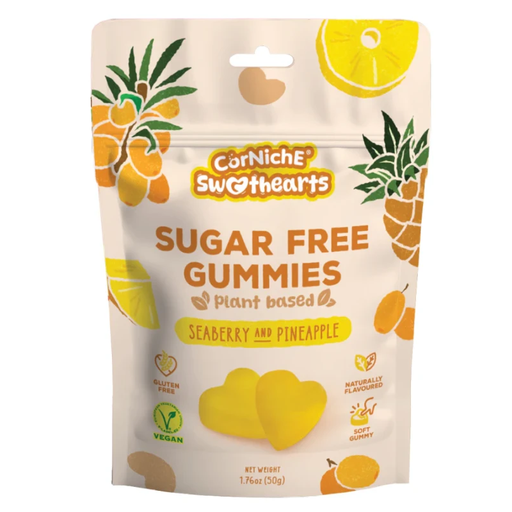 Image unavailable
Corniche Sweethearts, sea buckthorn and pineapple gummies, 50 g
This flavour is another option if you’re looking for both claims: the product listing describes it as gluten-free and sugar-free, with 0 g of sugars per 100 g. It lists maltitol and isomalt, so check the full ingredients, warnings and claims on the packaging.
View on Joybuy
Frequently asked questions
Is the Nutri-Score compulsory on sweets sold in France?
No. According to Santé publique France, producers display the Nutri-Score voluntarily. DGCCRF states that nutrition declarations are compulsory for most pre-packed foods, so the absence of a Nutri-Score logo doesn’t replace checking the nutritional information.
Is an ingredients list with no wheat enough to confirm that a sweet is gluten-free?
No, not if you need to shop strictly gluten-free. European rules govern the “gluten-free” claim. Look for it on the specific product and pack size, then check the allergens and any “may contain” statements. Assurance Maladie highlights the importance of a strict gluten-free diet for people with coeliac disease.
Why do some sugar-free sweets carry a warning about laxative effects?
Some sugar-free sweets use sweeteners, including polyols, and certain product listings at Carrefour and E.Leclerc warn that excessive consumption may have a laxative effect. Check the ingredients and warning for the product you choose rather than treating “sugar-free” as an indication of how much you can eat.
What should you check before buying liquorice sweets?
Check whether the ingredients include liquorice and read the precautions on the pack. Anses warns that high and repeated consumption of liquorice can lead to adverse effects, particularly on blood pressure. The “sugar-free” claim doesn’t remove the need to follow this advice.


