
Livraison le jour même ou le lendemain

Qualité garantie

Débloquez vos offres de bienvenue: Livraison GRATUITE | Jusqu'à -80 % | 30 jours d'essai gratuits à JoyPlus
Téléchargez l'application
Cutting down on sugar is not simply a matter of choosing packaging labelled ‘sugar-free’. Between sweeteners, polyols, portion-size differences and low-calorie claims, labels can quickly become confusing. This selection of sugar-free products helps you compare formats and ingredients before placing your order.
Under European regulations, the claim ‘sugar-free’ refers to a product containing no more than 0.5 g of sugars per 100 ml or 100 g. This does not mean that it contains no carbohydrates.
Sugar-free sweets and lozenges often contain polyols, such as sorbitol or isomalt. They can therefore display 0 g of sugars while still providing carbohydrates and calories. MELTING SWEET jelly sweets, for example, state 0 g of sugars per 100 g, but contain 81 g of polyols.
Sugar-free drinks generally have a very low energy content, but this is not necessarily true of snacks. A product can be sugar-free while containing more fat or polyols. So compare the nutritional value per 100 g with the amount you actually consume.
For zero-sugar fizzy drinks, the differences are often limited: Pepsi Max contains 0.4 kcal per 100 ml, compared with 2 kcal per 100 ml in some Calypso products. Also remember to check the pack’s total volume so you can calculate the actual price per can.
Aspartame and certain sweetener blends may require the statement ‘contains a source of phenylalanine’. This applies in particular to Pepsi Max, Coca-Cola Zero and VITA 0 Sugar teas. People with phenylketonuria must follow the information on the label carefully.
A sugar-free drink is still a caffeinated drink if it contains caffeine. With 150 mg of caffeine per 50 cl can, Monster Ultra White deserves particular attention for adolescents, pregnant women and people who are sensitive to caffeine.
Start by checking the nutrition table per 100 ml or 100 g, then adjust the figures to the portion you actually consume. For drinks, also check how many cans or bottles are included in the multipack.
This information is not a substitute for medical advice. If you follow a specific diet or live with diabetes, check the amount of available carbohydrates and ask a healthcare professional for advice.
Zero-sugar fizzy drinks frequently use aspartame, acesulfame-K, sucralose or steviol glycosides. Confectionery products may contain isomalt, sorbitol or other polyols. For some people, excessive consumption of polyols can cause digestive problems. The regulatory warnings shown on the packaging should therefore be taken seriously.
A large multipack of drinks can be practical for families, but it requires a larger budget and more storage space. Smaller formats are easier to take to the office, on the go or for a meal eaten out.
After opening, some products should be consumed quickly or stored in the fridge. For example, sugar-free aloe vera drink should be refrigerated after opening and consumed within the day, according to the information available. Always check the best-before date and the storage conditions shown on the packaging you receive.
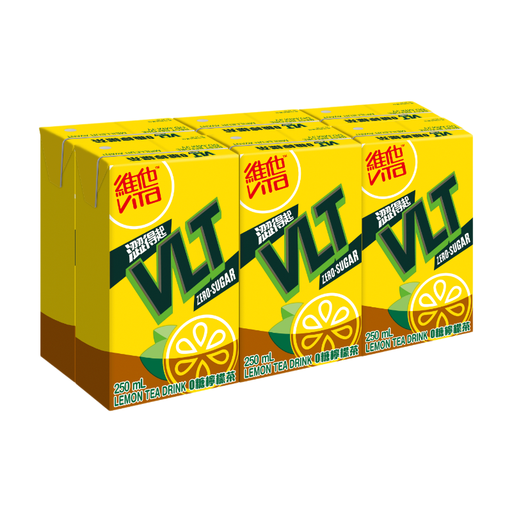
Why this choice suits this profile: With six 250 ml cartons, this multipack is an easy way to try sugar-free lemon tea in an individual format that is convenient to take with you.
The nutrition table states 0 kcal and 0 g of sugars per 100 ml. The presence of aspartame is clearly stated, as is the warning concerning phenylalanine.
Individual format, ready-to-drink beverage and a blend of black tea and lemon concentrate.
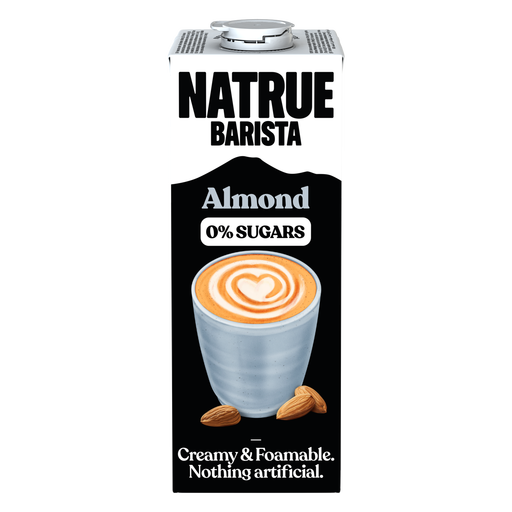
Why this choice suits this profile: This sugar-free plant-based drink is ideal for anyone looking for an alternative to enjoy at breakfast or in hot drinks.
It contains 0 g of sugars per 100 ml, but also 28 kcal. This is a useful reminder not to automatically equate ‘0%’ with ‘0 calories’.
1 L carton, 2% almond, 0.2 g of carbohydrates and the ‘almond’ allergen clearly declared.
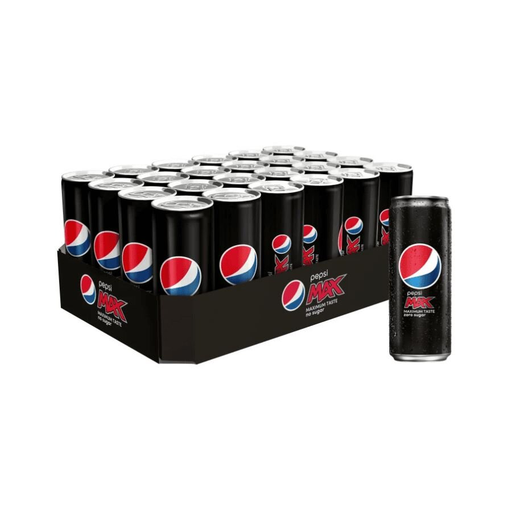
Why this choice suits this profile: With 24 cans, this pack is ideal for households that regularly drink zero-sugar fizzy drinks or want to keep a supply at home.
The nutritional information states 0 g of sugars and 0.4 kcal per 100 ml. The label also mentions the presence of sweeteners and a source of phenylalanine.
24 x 330 ml cans, made in France and best served well chilled.
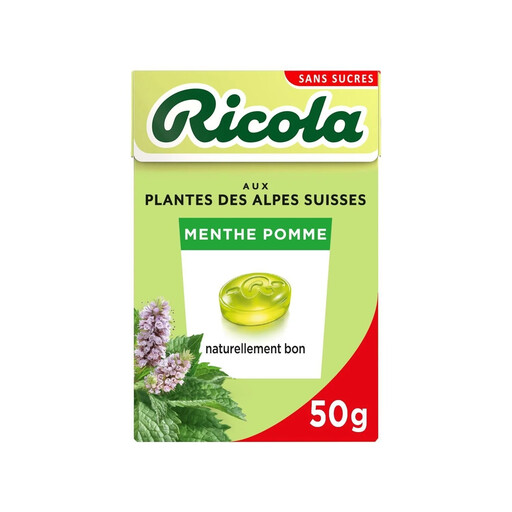
Why this choice suits this profile: The 50 g box fits neatly into a bag, desk drawer or glove compartment for an impromptu little break.
The product information states 0 g of sugars, but also 237 kcal and 97 g of carbohydrates per 100 g. The amount consumed therefore remains important.
A blend of 13 Ricola herbs, apple-mint flavour, isomalt sweetener and a pocket-sized format.
We have put together a complete, real-time updated list of products that meet these strict selection criteria and European safety regulations.
They may have a place in some diets, but the ‘sugar-free’ claim alone is not enough to determine whether a product is right for you. Check the carbohydrates, polyols, portion size and ingredients list. If you have diabetes, ask your healthcare professional for advice.
No. Sugar-free lozenges and sweets may contain isomalt, sorbitol or other polyols, which provide energy. In large quantities, they can also cause digestive discomfort for some people.
Start by comparing the nutrition table and caffeine content, then consider the format. Sugar-free lemon tea can be a good choice for a light break, while a multipack of zero-calorie cola may be more suitable for regular family consumption. If you fancy a change from the usual cola, sugar-free lemonade, sugar-free aloe vera drink and sugar-free plant-based drinks offer very different profiles.