
Livraison le jour même ou le lendemain

Qualité garantie

Débloquez vos offres de bienvenue: Livraison GRATUITE | Jusqu'à -80 % | 30 jours d'essai gratuits à JoyPlus
Téléchargez l'application
Cutting down on sugar doesn't have to mean giving up on fizz, cola or fruity drinks. Today, sugar-free drinks include zero-sugar sodas, lemonades, flavoured sparkling waters and certain functional beverages. The trouble is, packaging doesn't always make it easy to compare.
With terms like "light", "zero", "no added sugars" and "low in calories" flying around, there are plenty of pitfalls that can turn a purchase into a disappointment. Here's what to check before you pick up a single can or a multipack of sugar-free drinks.
A drink can contain no added sugar yet still have the sugars naturally present in fruit. This is particularly true of some fruity drinks. Joker Lemon & Lime, for example, contains grape, lemon and lime juice, yet still has 2.9g of sugars per 100ml despite the "no added sugars" claim.
To check whether a drink is genuinely sugar-free, look at the "of which sugars" line on the nutrition table rather than relying solely on the front of the pack.
Zero-sugar sodas typically rely on sweeteners such as sucralose, acesulfame-K, aspartame or steviol glycosides. Their flavour profile can therefore differ from a sugary recipe. A sugar-free lemonade may also taste more tart.
The ingredients list already gives you some clues: lemon concentrate, flavourings, acidity regulators and the type of sweetener all influence the final taste.
A large multipack might seem convenient, but you need to have the space to store it, check its best-before date and actually drink enough of it. A 20cl can doesn't serve the same purpose as a pack of 24 x 33cl cans.
Once opened, some products need to be kept in the fridge and consumed quickly. Always refer to the instructions on the label of the product you receive.
Start by comparing products per 100ml, then work out the amount you'll actually consume per can or bottle. A drink with 0 or 2kcal per 100ml is a world away from a fruity drink with 13kcal per 100ml.
Zero-calorie drinks and zero-sugar sodas can help limit your energy intake from beverages. That doesn't, however, make them an essential part of a balanced diet.
Aspartame, sucralose, acesulfame-K and steviol glycosides are different ingredients, each with their own characteristics. Drinks containing aspartame must carry the warning contains a source of phenylalanine. This applies to certain Pepsi Max and Coca-Cola Zero recipes.
People with phenylketonuria need to take note of this. For children, also check for any warnings linked to certain colourings, such as the "may have an adverse effect on activity and attention in children" notice found on several Sweet16 products.
For a functional drink, also check the caffeine, vitamin and other active ingredient content. A can of NOCCO contains 105mg of caffeine per 330ml – a figure to take seriously, especially if you're sensitive to caffeine.
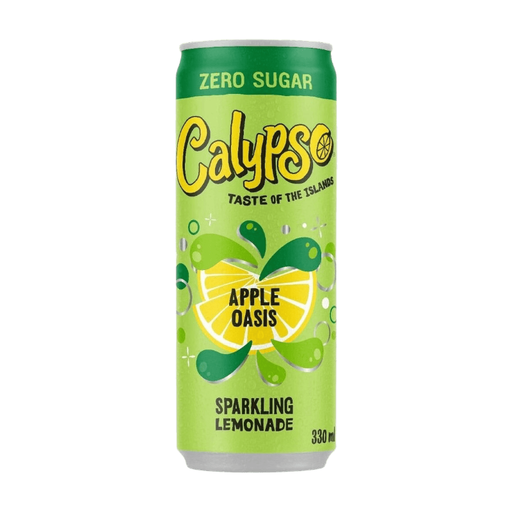
Why this suits this profile: Its single 330ml can lets you try a sugar-free lemonade with apple and lemon notes before stocking up on a larger quantity.
The nutrition table shows 0g of sugars and 2kcal per 100ml. The quantity is clearly stated, making it easy to compare with other light soft drinks.
330ml can, apple and lemon flavours, sweetened with sucralose and acesulfame-K, no declared allergens.
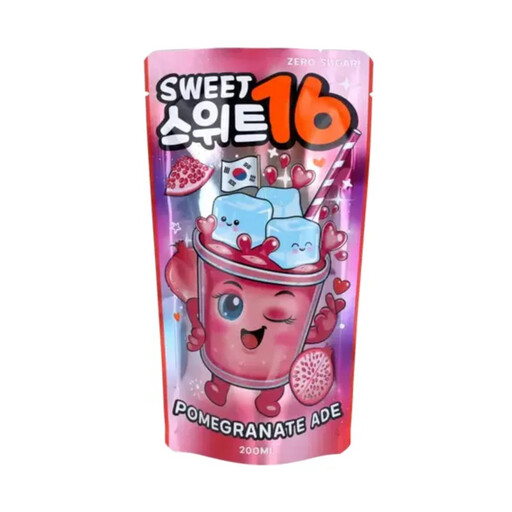
Why this suits this profile: This Korean drink in a pouch offers a change from standard sodas. Served over ice, it provides a more distinctive presentation and a more refined drinking experience.
The 200ml size helps you keep control of your portion. The product page shows 0g of sugars and 2kcal per 100ml.
Pomegranate flavour, ready-to-pour pouch, no declared allergens. Best consumed immediately after preparation.
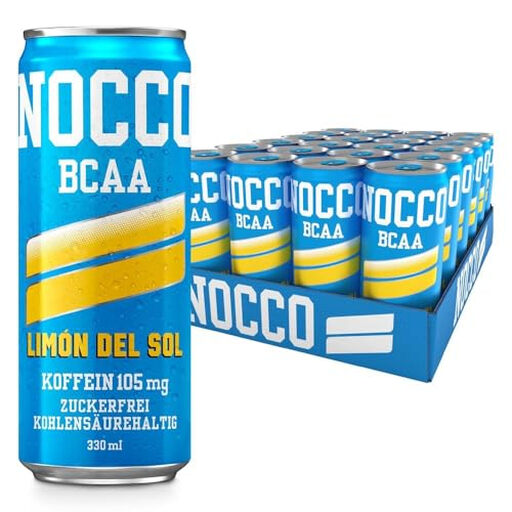
Why this suits this profile: With 24 cans, this pack is aimed at workouts, offices and consumers looking for a functional sugar-free drink.
The nutrition information lists the BCAA and caffeine content separately. You can therefore check the exact composition before buying, rather than relying on the word "energy" alone.
24 × 330ml, 0g sugar per 100ml, 105mg caffeine and 2,500mg BCAA per can according to the product page.
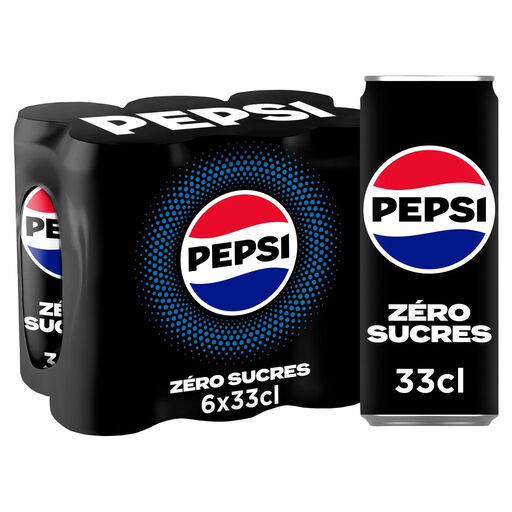
Why this suits this profile: This six-can pack is ideal for a household that wants to keep a sugar-free fizzy drink on hand for meals or shared moments.
The product page shows 0g of sugars and 0.3kcal per 100ml. It also states the presence of aspartame and a source of phenylalanine.
6 × 330ml, cola recipe, made in France according to the product page, best served chilled.
We've put together a comprehensive, real-time selection of products that meet these strict criteria, all while complying with European safety regulations.
Not necessarily – it all depends on the recipe. A drink labelled "no added sugars" can contain the sugars naturally present in fruit juices. To confirm the absence of sugar, check the "of which sugars" line rather than just the front of the pack.
Both categories typically use sweeteners to reduce or replace sugar, but their recipe and energy value can vary. Compare the data per 100ml, the ingredients list and the serving size. The "light" label alone doesn't tell you the exact amount of sugar.
Seal it tightly and put it in the fridge. How long it lasts depends on the product: some labels recommend drinking it within 24 hours, others within two to four days. The fizz and flavour will gradually fade, so the product label is your best guide.