
Livraison le jour même ou le lendemain

Qualité garantie

Débloquez vos offres de bienvenue: Livraison GRATUITE | Jusqu'à -80 % | 30 jours d'essai gratuits à JoyPlus
Téléchargez l'application
Choosing a soup bowl? On the surface, it seems simple. Yet, who hasn't been disappointed by a model that cracks in the microwave, a set of bowls that's impossible to store, or a design that's stunning but completely impractical? The market is flooded with promises that, all too often, don't stand the test of time.
As a product expert for the editorial team, my mission is to help you cut through the noise. This article will teach you how to avoid marketing traps and choose bowls that truly combine aesthetics, durability, and everyday practicality.
Before you make a decision, keep these three common pitfalls in mind that can turn a promising purchase into a daily regret.
To make an informed choice, focus on these three fundamental parameters.
The choice of material has a direct impact on your bowl's durability, heat retention, and maintenance.
The shape of your bowl should, above all, match your habits.
It's the small details that make a difference in daily use.
Here are a few models that meet specific needs while adhering to our criteria for quality and practicality.
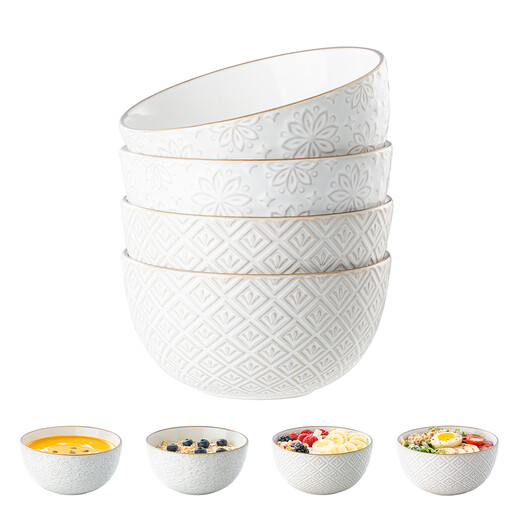
Why it's the right choice: Perfect for families or anyone looking to refresh their dinnerware with a reliable and versatile set. This set of bowls is designed for intensive daily use, from breakfast to dinner.
Its quality stoneware construction gives it excellent resistance to thermal shock from the microwave. Its shape is designed for stable and compact stacking, avoiding the headache of non-stackable bowls.
Total compatibility: microwave, oven, freezer, and dishwasher safe. Its textured design is both understated and original.
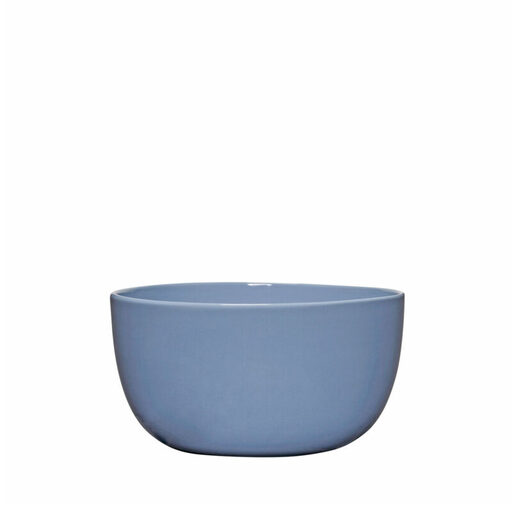
Why it's the right choice: For those who see dinnerware as a decorative element in its own right. This handmade large bowl is perfect as a salad bowl, serving dish, or simply a decorative fruit bowl.
It proves that design and durability are not mutually exclusive. Despite being handmade, this piece is certified food-safe and is dishwasher, microwave, and oven safe.
Unique material (stone powder) with a very pleasant mineral feel. Generous dimensions (28 cm diameter) for use as a serving dish or centrepiece.
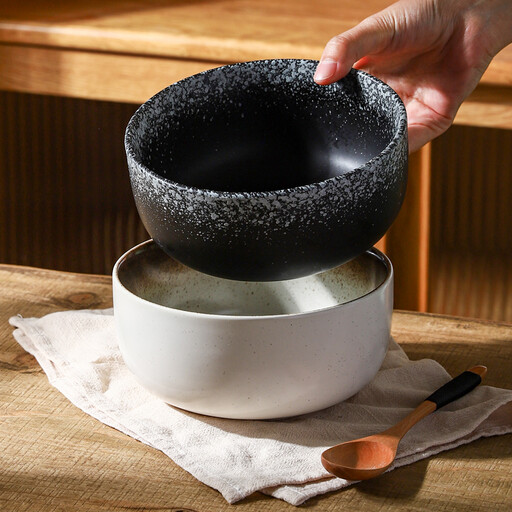
Why it's the right choice: For Asian cuisine enthusiasts who want to serve their ramen, pho, or bò bún properly. The shape is specifically designed for this type of dish.
This isn't an all-purpose bowl, and that's its strength. Its tall, deep shape is specifically designed to keep broth hot and arrange toppings, unlike standard bowls that are too wide.
Specialised format for broths and noodles. Its authentic Japanese aesthetic turns a meal into an experience.
Discover our full selection of bowls that meet our strict criteria for durability, practicality, and food safety.
To put it simply, stoneware is a type of ceramic. The term ceramic is a broad family that includes earthenware, porcelain, and stoneware. The crucial difference lies in the firing process. Stoneware is fired at very high temperatures (over 1,200°C or 2,200°F), which vitrifies it, making it non-porous and therefore much stronger and more durable than earthenware, which is fired at a lower temperature and remains porous without a glaze.
The official pictogram (wavy lines inside a square) is your best guide. Otherwise, look for explicit labels like "microwave safe." A good indicator of quality is construction from stoneware or "high-fired" ceramic, as these materials handle thermal shock better. Be aware: any gold leaf or metallic patterns are an absolute no-go.
For a hearty meal-sized soup (like ramen, chilli, or lentil soup), aim for a usable capacity (not filled to the brim) of around 600 to 850 ml. This generally corresponds to a bowl with a total listed capacity between 750 ml and 1 litre, with a diameter of at least 18 cm and enough height to prevent splashing.