
Livraison le jour même ou le lendemain

Qualité garantie

Débloquez vos offres de bienvenue: Livraison GRATUITE | Jusqu'à -80 % | 30 jours d'essai gratuits à JoyPlus
Téléchargez l'application
A good soup bowl is so much more than a simple container. It's the perfect companion for cosy winter evenings, a partner for your vitamin-packed breakfast bowl, and sometimes even a makeshift individual salad bowl. Yet, buying one can quickly become a headache. Between marketing promises and flaws that only appear with use, it's easy to end up with cupboards full of unsuitable dishes. Our mission at Joybuy is to demystify these products, helping you see clearly and make a truly informed decision.
Before we get to specific models, let's review the common mistakes that often lead to disappointment.
To avoid these pitfalls, simply focus on a few key features.
The material of your bowl determines its longevity, maintenance, and use.
A bowl's versatility depends primarily on its size and shape.
Shape is just as crucial. A wide base ensures good stability, while an opening that isn't too flared helps retain your soup's heat. For storage, a slightly conical shape is a major asset, as it allows for easy stacking.
To help you visualise, here are a few options that meet specific needs while avoiding the pitfalls we've mentioned.
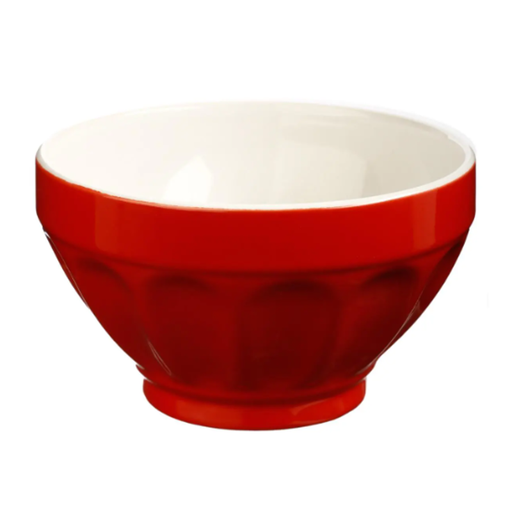
Why It's a Great Choice: Ideal for those who want to add a touch of colour and texture to their table without sacrificing practicality. Its 60 cl (approx. 20 oz) capacity is perfect for breakfast, a soup, or a light meal.
Made from durable earthenware, it's designed for heavy use (both home and professional), ensuring robustness against chipping (pitfall #1). Its classic shape makes it easy to store.
Distinctive ribbed texture: Adds a touch of modern elegance. Versatile 60 cl capacity: Suitable for multiple everyday uses.
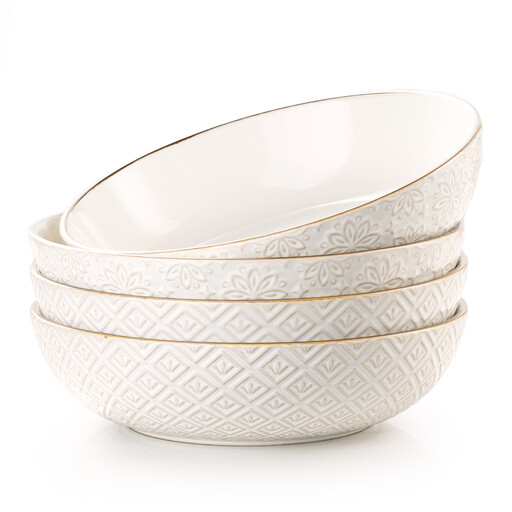
Why It's a Great Choice: This set of bowls is perfect for families or those who love to entertain. The large capacity (approx. 1 L or 34 oz) is ideal for generous main courses like pasta, large salads, or stews.
The design is specifically engineered for stackability, which solves the storage problem (pitfall #2). Their thick walls ensure better durability (pitfall #1).
Large 1 L capacity: Perfect for main courses. Full compatibility: Safe for the dishwasher, microwave, and even the conventional oven.
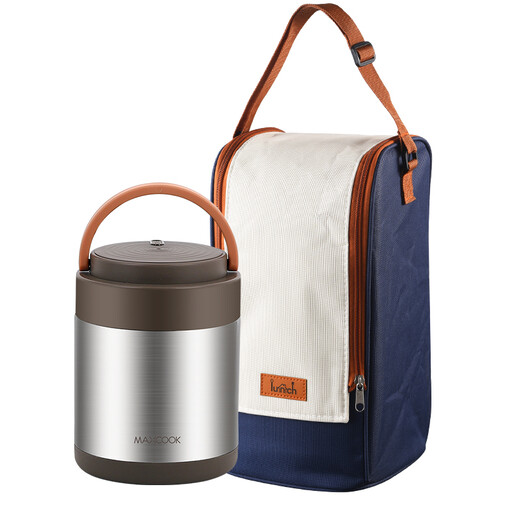
Why It's a Great Choice: For those who want to bring homemade soup or a hot meal to the office, this insulated container is the ideal solution. It is specifically designed for transport and temperature retention.
This product is a specialist. Its 304 stainless steel construction is inherently robust and durable. Its leak-proof lid prevents spills, the #1 flaw of containers not designed for transport.
Vacuum insulation: Keeps food hot or cold for 4 to 6 hours. Wide mouth: Makes filling, serving, and cleaning easy.
We've curated a complete selection of products that meet our criteria for quality and practicality.
For a starter or a light soup, a bowl of 400 to 600 ml (approx. 13.5 to 20 oz) is generally sufficient. If the soup is your main course (like ramen, a hearty velouté, or minestrone), opt for a large bowl of at least 700 ml (approx. 24 oz) to ensure there's enough room for the broth and all the ingredients.
Not always. Only bowls with an explicit "oven-safe" label can be placed in the oven without risk. This is a very practical feature for things like gratineeing an onion soup. Most high-quality stoneware or porcelain bowls allow it, but it's crucial to check the manufacturer's instructions to avoid thermal shock, which could cause it to crack.
Look at the base and the rim of the bowl. A easily stackable bowl has a base that is slightly narrower than its opening and a regular, conical shape. Models with perfectly straight sides or overly original shapes are often a nightmare to stack stably. Product descriptions sometimes mention the "stackable" feature, which is an excellent indicator of practicality.