
Livraison le jour même ou le lendemain

Qualité garantie

Débloquez vos offres de bienvenue: Livraison GRATUITE | Jusqu'à -80 % | 30 jours d'essai gratuits à JoyPlus
Téléchargez l'application
A self-watering planter? It's the magic bullet for vibrant, healthy plants with minimal maintenance. The promise is tempting: less frequent watering and plants that never go thirsty, even while you're on holiday. But beware of disappointment. The market is flooded with poorly designed models that can quickly turn this dream into a nightmare for your plants.
Before you take the plunge, it's best to know the pitfalls to avoid so you don't regret your purchase.
To help you make an informed decision, here are the essential criteria to scrutinise and our selection of tried-and-tested models.
Choosing the right planter goes far beyond aesthetics. Three technical points are fundamental to guaranteeing its effectiveness and longevity.
The word "plastic" covers a wide range of qualities. For a frost- and UV-resistant planter, look for high-quality injected polypropylene. This material offers the flexibility needed to withstand frost without cracking. A "UV-treated" label is just as crucial, especially for a designer outdoor planter, as it ensures the colour (for example, an anthracite balcony planter) won't fade to a washed-out pastel after a summer in the sun. Double-wall models, meanwhile, add welcome thermal insulation, protecting roots from heatwaves and cold snaps alike.
A self-watering system worthy of the name must include two essential components:
The volume of your planter should match your plants' ambitions. A large-sized flower pot (over 30 litres) is necessary for shrubs, small fruit trees, or generous floral arrangements. For an indoor flower pot or a few herbs on a balcony, a volume of 10 to 20 litres may be sufficient. Always remember to check the dimensions (length, width, height) to ensure the pot will fit in its intended space without being forced.
Rather than an endless catalogue, here are our targeted recommendations, designed for specific needs.
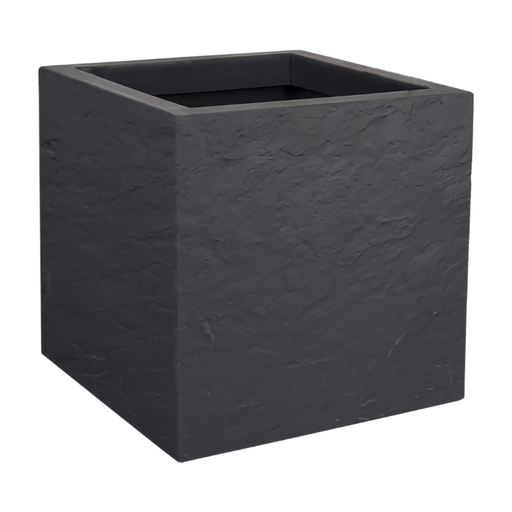
Why we chose it: Perfect for anyone looking to optimise a small space with a modern touch. Its anthracite grey colour and square shape are a flawless choice for a contemporary balcony or terrace.
Its deceptive rim mimics a robust double wall. The result: it avoids the pitfall of a designer pot that looks fragile, while remaining lightweight and easy to move.
Its integrated, pre-drilled water retention system simplifies setup. The Origine France Garantie (Made in France) certification is a real bonus, guaranteeing quality manufacturing.
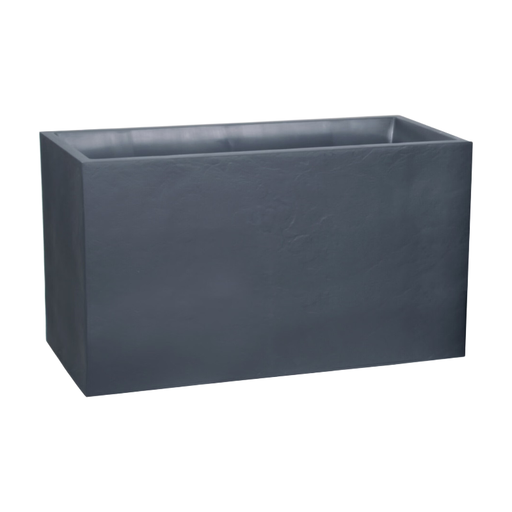
Why we chose it: Ideal for defining a terrace or creating a green divider. Its XXL 116-litre volume accommodates shrubs and generous arrangements without the risk of them drying out.
Its double-wall construction ensures thermal insulation and unbeatable durability. No more pots that warp under the weight of the soil or let roots overheat in the summer.
Modular by design, it can be aligned with other models in the range to create a custom landscaping arrangement. It is, of course, treated to be frost- and UV-resistant.
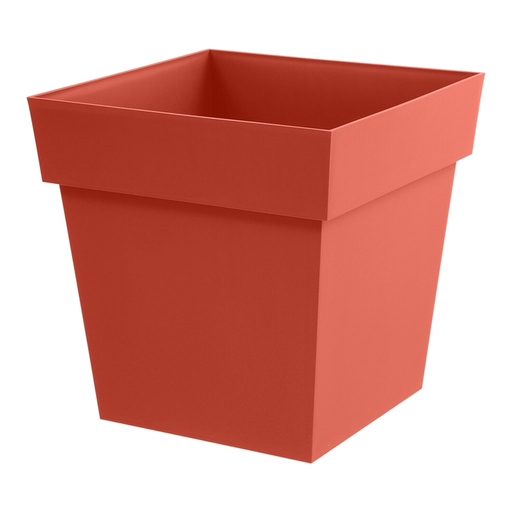
Why we chose it: For lovers of a timeless, warm style. Its terracotta colour and clean lines work just as well as an indoor flower pot in a living room as they do on a sunny terrace.
Unlike a classic terracotta pot, which is porous and prone to frost damage, this polypropylene model is frost-resistant and includes UV protection. Say goodbye to cracks and faded colours after one season.
Made in France from 100% recyclable materials, it comes with a 7-year warranty—a true sign of confidence. Its 38 L volume makes it highly versatile.
Discover our complete, up-to-date selection of products that meet our quality criteria and current standards.
The principle is based on capillary action. A reservoir at the bottom of the pot stores water, while a grid or draining substrate separates it from the soil. The plant's roots then draw up the water they need, keeping the soil moist but never waterlogged. A tip: water from the top for the first few weeks after planting, giving the roots time to grow long enough to reach the moist zone.
Yes, this is essential for outdoor use. If water freezes in the reservoir, the expanding ice can put pressure on the walls and crack the pot, even if it's sold as "frost-resistant." So, remember to unblock the overflow hole to allow excess rainwater to drain freely.
For a shrub or small fruit tree, plan for a minimum volume of 30 to 40 litres. This is the bare minimum needed for its root system to develop comfortably. Models like the EDA VOLCANIA Wall Planter (116 litres) or the EDA TOSCANE Square (38 litres) are perfectly suited. A pot that is too small will stunt the plant's growth and force you to repot much more often.