
Livraison le jour même ou le lendemain

Qualité garantie

Débloquez vos offres de bienvenue: Livraison GRATUITE | Jusqu'à -80 % | 30 jours d'essai gratuits à JoyPlus
Téléchargez l'application
A great sauce is a game-changer. But to perfect it from prep to table, the right utensil is as crucial as the recipe. The problem? The market is flooded with saucepans, where the best sits alongside the worst. Our mission: to help you see clearly, spot the real gems, and dodge the most common marketing traps.
Before you pull out your credit card, it's best to know the flaws that turn a purchase into a regret. Here are the three pitfalls to avoid at all costs.
To avoid making a mistake, focus on technical and objective criteria.
The choice of material directly impacts cooking and maintenance.
The base of the saucepan is its engine. For efficient heat diffusion, it must be thick and flat. The "all hobs, including induction" label is essential if you cook on this type of hob. An encapsulated base (a layer of aluminium or copper sandwiched between two layers of stainless steel) is a mark of quality, ensuring much more even heat distribution.
Finally, think about your cooking habits. Do you need a simple saucepan to reheat a sauce, or more specialised equipment?
Here are a few options that meet distinct needs, taking into account quality and practicality.
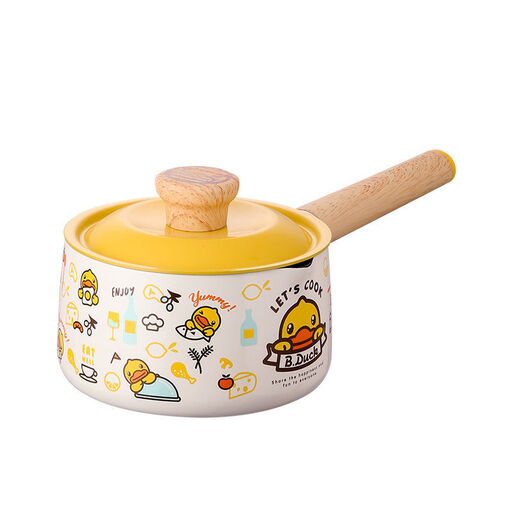
Why we chose it: Ideal for those looking for a versatile and easy-to-use small saucepan. Its anti-boil-over design is a real plus for milk-based sauces or preparations that tend to rise quickly.
It sidesteps the incompatibility trap by being clearly compatible with all heat sources, including induction. Its non-stick coating is designed for moderate daily use.
Universal compatibility, a practical coating, and the anti-boil-over feature make it an ultra-practical daily ally.
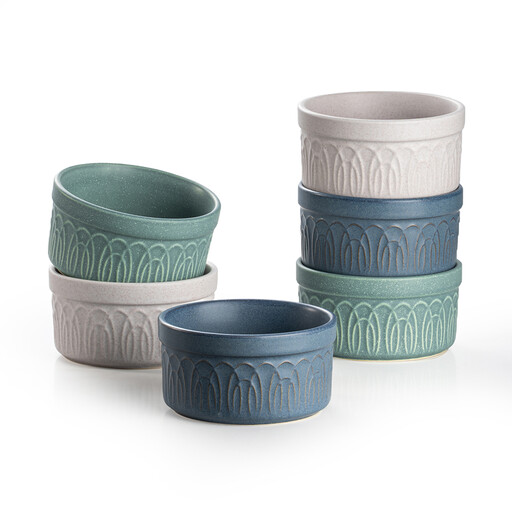
Why we chose it: Perfect for serving individual sauces during a hot pot, a barbecue, or for presenting appetisers. This set allows you to offer an assortment of sauces, like the spicy Haidilao sauce or Bai Jia sesame sauce.
It doesn't pretend to be a do-it-all tool. It's a specialised serving utensil, which avoids the gadget trap. Its construction from high-quality ceramic ensures safe use in the oven and microwave.
Versatility for serving and baking small portions (crèmes br?lées, soufflés). The elegant design and neutral colours suit any table setting.
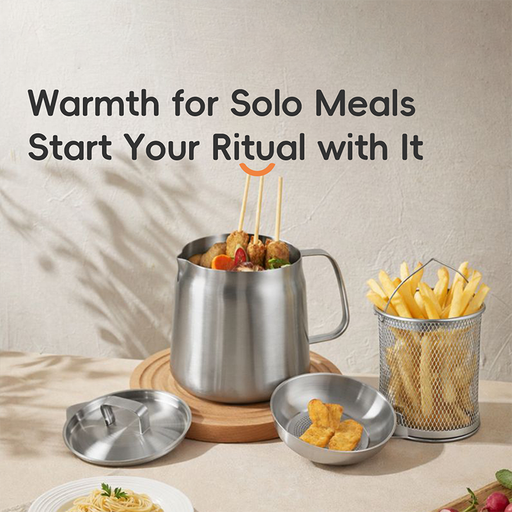
Why we chose it: For those who frequently fry food and are looking for a durable solution to filter and store oil. This utensil combines a small-batch frying pot with a filtration and storage system.
Far from being a simple gadget, it is made from 304 stainless steel, a professional-grade material that guarantees far superior heat resistance and durability compared to low-end alloys.
The dual functionality (saucepan/fryer and storage pot with filter) is a success here, thanks to a quality material and a design focused on safety and practicality.
Explore our complete selection of products that meet our quality criteria and European safety standards.
To preserve the coating, avoid metal utensils and opt for silicone, wood, or nylon ones. Wash it by hand with a non-abrasive sponge. Even if it's listed as dishwasher-safe, hand washing is less aggressive and will extend its life. Finally, avoid thermal shock, such as moving it directly from the heat to cold water.
Yes, it's an excellent investment for its versatility and durability. It's perfect for searing, reducing sauces, or simply reheating liquids. It's resistant to high temperatures, metal utensils, and acidic foods. A model with a thick, induction-compatible base is a staple that will serve you for years.
It's best to check the manufacturer's specifications. A quality ceramic or porcelain sauce ramekin will generally handle heat well. However, for use in the oven or microwave, make sure it is explicitly marked as "oven-safe" to avoid any risk of cracking.