
Livraison le jour même ou le lendemain

Qualité garantie

Débloquez vos offres de bienvenue: Livraison GRATUITE | Jusqu'à -80 % | 30 jours d'essai gratuits à JoyPlus
Téléchargez l'application
When the weather warms up, it’s the starting signal for forest picnics, beach days, and camping weekends. The common thread in all these moments? The simple pleasure of sharing a meal and ice-cold drinks. But this perfect scenario can quickly go sour because of a faulty portable cooler. As a product expert for Joybuy, I'm here to break down the market for you, helping you see through the marketing hype and find the model that won't let you down.
Before you pull out your credit card, here are the three pitfalls to avoid so you don't regret your purchase:
To make a smart choice, forget the advertising slogans and focus on a few technical specifications that don't lie.
The format of your future cooler depends primarily on your habits.
A cooler's performance rests on two pillars:
Don't be mesmerised by the advertised volume. Check the internal dimensions to ensure your usual bottles and containers will fit. Also, consider the empty weight and imagine carrying it when it's full. A comfortable handle, wheels on larger models, or a good shoulder strap on a cooler bag are the little details that make all the difference in daily use.
To move from theory to practice, here is our selection of products suited for specific uses.
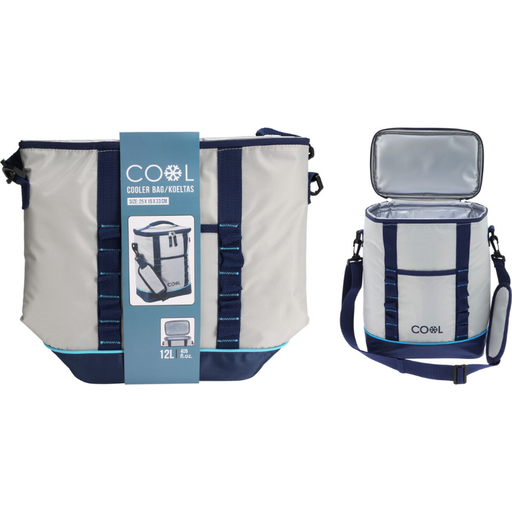
Why this choice? The simple, smart solution for a short outing. Lightweight and flexible, it’s hassle-free to carry and store. Ideal for lunch in the park or keeping a few drinks cool on the sand.
This bag doesn't try to compete with a hard-sided cooler on duration. Its mission is clear: effective cooling for a short period. Its 12L capacity is perfectly sized for a meal for one or two people, without the bulk of a larger model.
Maximum portability and impressive simplicity. Its PEVA lining and 6mm foam provide insulation that is perfectly suited for occasional use.
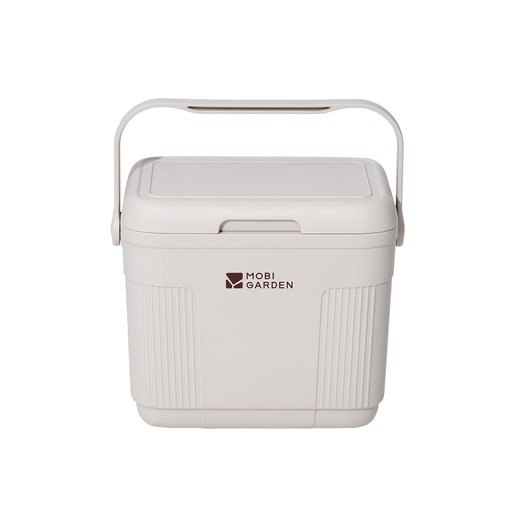
Why this choice? With its 22L capacity, this hard-sided cooler is built for family outings and camping weekends. Its rugged design is made to handle the rigours of the outdoors and keep supplies for 4 to 6 people chilled.
This model bets everything on its quality construction: high-density PU foam insulation and a silicone gasket seal. This combination guarantees real, long-lasting performance, a far cry from overly optimistic spec sheets. The reinforced corners and solid handle are there to prevent unpleasant surprises.
Top-tier passive insulation and durability. Its food-grade PP shell allows you to store food directly against the walls with complete confidence.
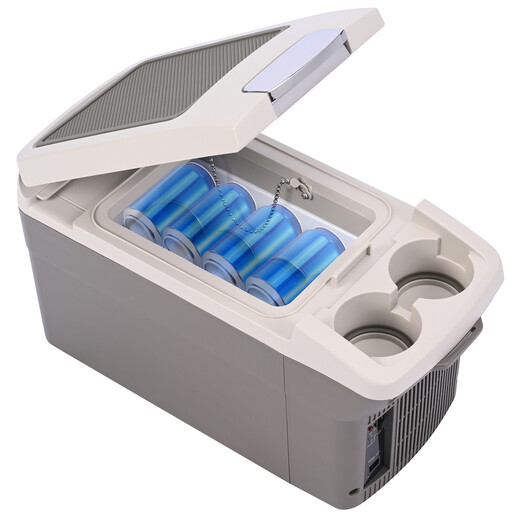
Why this choice? For anyone who eats up the miles, this electric cooler is the perfect ally. Its compact 6L size fits naturally on the passenger seat, while its 12V plug ensures constant cooling (or heating), no matter how long the journey.
No unpleasant surprises here: the active semiconductor cooling guarantees stable performance, regardless of the conditions. No more ice packs needed! It's even designed to be secured with a seatbelt, preventing it from sliding around at the first brake.
Active, constant cooling, perfect for long trips. Its dual function (cool and warm) makes it useful in any season.
Explore our full selection of coolers that meet our standards for quality and durability.
A few pro tips can make all the difference. Pre-chill your cooler with ice packs a few hours before loading it. Fill it with items that are already cold or frozen. Fill any empty space (with more ice packs, frozen water bottles, or even a towel) to eliminate air. Finally, the golden rule: keep it in the shade and open it as little as possible.
For pure insulation, the answer is an unequivocal yes. The rigid structure allows for a much thicker, denser layer of PU foam and the integration of a proper gasket seal. A soft-sided bag, even a high-quality one, will always be limited by its flexibility and thinner insulation. It's all a matter of balancing raw performance with portability.
It's simple. A passive cooler (hard or soft) is an advanced thermos: it simply slows down the warming of what you put inside, thanks to its insulation and ice packs. An electric cooler, on the other hand, is a true mini-fridge. Plugged into your car's 12V outlet, it actively generates cold to maintain a low, constant temperature, whether you're driving for an hour or all day.