If you want to avoid added sugars without making the sauce yourself, look for a ready-made sauce that explicitly carries this claim. To compare total sugar content, check the ‘of which sugars’ figure per 100 g: tomatoes contain natural sugars. Tomato purée or passata gives you more freedom to season the sauce, but you’ll need to cook it.
Who are these options for?
Hosts avoiding added sugars
You’re looking for a convenient pasta sauce, but want to avoid recipes with added sugar. Even when a product says ‘no added sugars’, compare the ‘of which sugars’ figure per 100 g: naturally occurring sugars in tomatoes are still included.
Hosts short on time
A ready-made sauce means less to prepare when it’s time to serve the pasta. The trade-off is that the seasoning is set by the recipe, so check the ingredients and salt content in particular if you have specific preferences.
People who like to make their own sauce
Tomato purée or passata lets you choose which herbs, oil and salt to add for your guests. Just remember to allow time to prepare and season the sauce.
What should you prioritise?
Ready-made sauce with no added sugars
Choose this if: you want to serve pasta quickly while avoiding added sugars in the recipe.
Bear in mind: this claim doesn’t rule out the sugars naturally present in tomatoes.
Classic ready-made tomato sauce
Choose this if: you prefer a recipe that’s already seasoned and don’t have any particular requirements around added sugars.
Bear in mind: ingredients vary by recipe; a ‘no preservatives’ claim tells you nothing about sugar content.
Tomato purée or passata
Choose this if: you’d rather adjust the herbs, oil and salt yourself.
Bear in mind: this base takes more preparation than a ready-made sauce.
| Criteria |
What to check |
Who is it for? |
| Added sugars |
Look for the exact claim ‘no added sugars’, then compare the ‘of which sugars’ figure per 100 g across similar sauces. |
If you want to avoid added sugar without confusing this with having no total sugars, the label matters more than the recipe name. Around 40% of consumers prioritise this. |
| Quick to serve |
Check whether it’s a ready-made sauce or a tomato base that needs seasoning; look at the pack size and preparation instructions. |
When there are several dishes to prepare, I prefer a sauce that’s already seasoned. Around 30% of consumers prioritise being able to serve it quickly. |
| Customising the recipe |
Read the ingredients in the purée or passata, along with the storage instructions once opened. |
If you want to tailor the herbs and salt to your guests, you can spend a little more time on the sauce. This is the main priority for around 30% of consumers. |
Things to bear in mind
-
Confusing ‘no added sugars’ with ‘sugar-free’
Tomatoes can still contain naturally occurring sugars. For example, Auchan’s product listing for Zapetti Provence and Languedoc sauce says ‘no added sugars’ and shows 5.3 g of sugars per 100 g.
Check the ‘of which sugars’ figure per 100 g, as well as the claim on the packaging.
-
Relying only on claims such as ‘natural’ or ‘no preservatives’
These claims don’t tell you the declared sugar content or whether the recipe contains added sugar, oil or thickeners.
Read the ingredients and nutritional information for the specific product and pack size you intend to buy.
-
Assuming tomato sauce contains no allergens
Carrefour’s product listing for Heinz garlic and onion sauce with no added sugars states that it contains a milk-based flavouring.
If a guest is allergic to milk or needs to avoid it, check the ingredients and allergen declaration on the product you choose.
-
Choosing a large pack without planning for leftovers
Storage instructions after opening vary by product. Joybuy’s product listing for De Cecco Neapolitan sauce says to refrigerate it at a maximum of 4 °C and consume within three days.
Choose a pack size to suit the amount you expect to need for the meal, and follow the storage instructions on the packaging.
Brands and retailers to explore
Panzani
According to Panzani, its Tomates Cuisinées sauce comes in 210 g, 400 g and 650 g packs.
- The recipe presented by Panzani combines tomatoes, onions and herbs.
- To compare sugar content, check the ingredients and ‘of which sugars’ figure for the pack you buy.
Barilla
Barilla offers a 400 g Tomates Cuisinées sauce for pasta.
- Barilla says this recipe uses Italian tomatoes and contains no added preservatives.
- These details don’t tell you the sugar content, so check the nutritional information for the sauce you choose.
Carrefour
Carrefour lists a 350 g Heinz tomato sauce with garlic and onion, labelled ‘no added sugars’.
- The claim refers to added sugars, not the sugars naturally present in tomatoes.
- The product listing mentions a milk-based flavouring; check the label if this matters to your guests.
E.Leclerc
E.Leclerc product listings include the ingredients for some Turini tomato sauces.
- The ingredients list for Turini sauce with small vegetables includes tomatoes, carrots and onions.
- The list also includes sugar, so check each recipe if you want to avoid added sugars.
Auchan
Auchan lists Zapetti Provence and Languedoc tomato sauce in a pack of 3 × 95 g.
- The product listing states ‘no added sugars’ and gives figures of 5.3 g of sugars and 1 g of salt per 100 g.
- ‘No added sugars’ doesn’t mean the sauce contains no sugars at all.
Lidl
Lidl France lists Baresa tomato sauce with onions in a jar.
- This is another recipe to compare when choosing a sauce to serve with pasta.
- Before choosing it based on its sugar content, check the ingredients and nutritional values on the packaging.
Pasta sauces and tomato bases on Joybuy
This selection includes a tomato sauce and bases you can use to make your own pasta sauce. Choose according to how much time you want to spend preparing it, then compare the ingredients and ‘of which sugars’ figure per 100 g on the variant you buy.
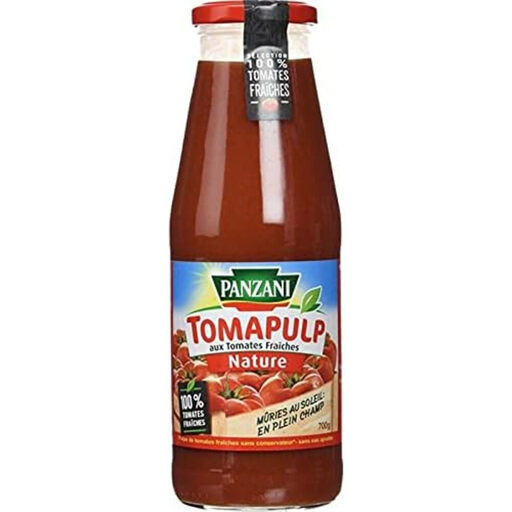 Image unavailable
PANZANI Tomacouli tomato sauce, 700 g
A tomato sauce to consider serving with pasta when you want to adjust the seasoning at the table or in the kitchen.
Pack size: 700 g. If sugar content is a priority, compare the nutritional information per 100 g with that of other sauces for the same use.
View on Joybuy
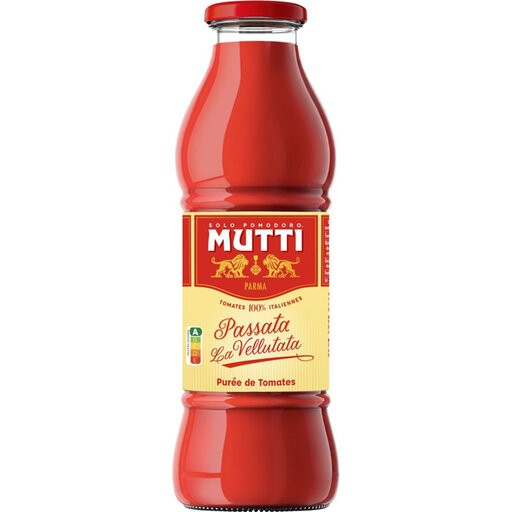 Image unavailable
MUTTI Passata la Vellutata, 700 g
Choose this passata if you’d rather start with a tomato base and decide how to season your pasta sauce yourself.
Pack size: 700 g. Check the ingredients for this variant and its storage instructions once opened.
View on Joybuy
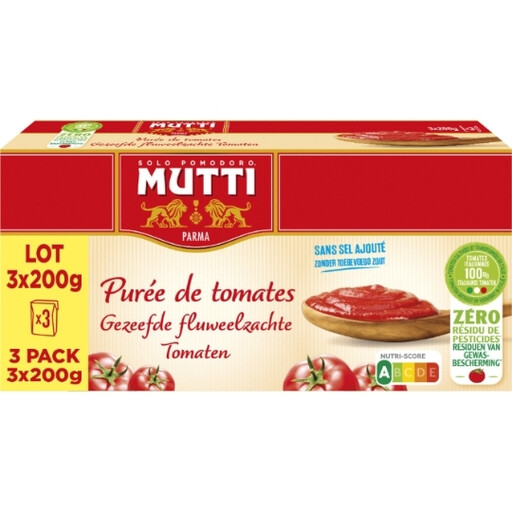 Image unavailable
MUTTI Tomato Puree ‘Zero Pesticides’, 3 × 200 g
Tomato purée for making and seasoning your own sauce to serve with pasta.
The pack contains 3 × 200 g units. Check the ingredients on the packaging before choosing this variant if you want to avoid added sugars.
View on Joybuy
 Image unavailable
MUTTI Tomato Puree ‘Zero Pesticides’, 500 g
A 500 g jar of tomato purée for making your own sauce and adjusting the seasoning to your taste.
To compare total sugars with another tomato base, use the figures per 100 g shown on the relevant packaging.
View on Joybuy
Frequently asked questions
Does ‘no added sugars’ mean a sauce contains no sugar?
No. Sugars naturally present in tomatoes may still be in the sauce. Auchan’s product listing for Zapetti Provence and Languedoc sauce carries this claim while showing 5.3 g of sugars per 100 g. Compare the ‘of which sugars’ figure across products intended for the same use.
Is ‘reduced sugar’ enough to help you choose?
No. To compare two sauces, check their ‘of which sugars’ figures per 100 g and find out which product the reduction claim refers to. Also check the ingredients if your specific aim is to avoid added sugars.
How long can you keep tomato sauce once opened?
Follow the storage time and temperature shown for the product you’ve bought. For example, the Joybuy listing for De Cecco Neapolitan sauce says to refrigerate it at a maximum of 4 °C and consume it within three days of opening.
Should you check a tomato sauce for allergens?
Yes, especially if a guest needs to avoid a particular ingredient. Carrefour’s product listing for Heinz garlic and onion sauce with no added sugars states that it contains a milk-based flavouring. Check the allergen declaration for the specific product you’re serving.


