People comparing sugar and salt
You want a ready-to-use sauce, but would rather check the sugars, salt and fat per 100 g than focus on the word ‘fresh’. The amount you serve matters too when making your comparison.


When choosing a pasta sauce while shopping with diabetes in mind, don’t rely on the words ‘fresh tomatoes’ alone. Compare the sugars, salt and fat per 100 g, then consider how much sauce you’ll serve. A tomato base lets you choose the seasoning, while a ready-made sauce cuts down on preparation. Either way, check the ingredients list for the exact product. The French National Health Insurance Fund recommends checking nutrition information per 100 g, and Carrefour’s listing for a Panzani sauce with fresh tomatoes includes cane sugar and salt.
You want a ready-to-use sauce, but would rather check the sugars, salt and fat per 100 g than focus on the word ‘fresh’. The amount you serve matters too when making your comparison.
You’re happy to start with tomato purée, chopped tomatoes or passata so you can choose the herbs and other ingredients yourself. Even so, it’s worth checking the label on the base you buy.
A ready-made tomato sauce makes preparing pasta easier. When comparing two recipes or pack sizes, the values per 100 g give you a common basis for comparison.
First, distinguish between a tomato base that needs seasoning and a ready-to-serve sauce. Then compare the labels per 100 g before taking account of how much you’ll use in your dish.
| Criterion | What to check | Consumers concerned |
|---|---|---|
| Sugars, salt and fat | Compare the nutrition values per 100 g, then consider how much sauce you’ll actually serve. | If I’m comparing two sauces to serve with pasta, I want to understand what’s in my portion rather than rely on the recipe name alone. Around 50% of consumers put this nutritional comparison first. |
| Added ingredients | Read the ingredients list and distinguish between purée, chopped tomatoes or passata and a ready-made sauce. | I prefer to start with a tomato base so I can choose the seasoning myself, while bearing in mind that the base may already contain other ingredients. Around 33% of consumers prioritise having this control over the recipe. |
| Preparation time | Check whether the product is ready to serve or a base that needs additions, as well as its pack size. | When making pasta without cooking a whole sauce from scratch, I look for a prepared recipe and am happy to check what’s in it. Around 17% of consumers put convenience first. |
The wording describes the tomatoes used, not the whole recipe. Carrefour’s published ingredients list for a Panzani sauce with fresh tomatoes includes cane sugar and salt.
Check the ingredients for the product you’ve chosen, then compare the sugars and salt in its nutrition information per 100 g.
Different pack sizes don’t tell you how much sauce will go with each serving. Values per 100 g make it easier to compare products, but you still need to consider the amount you serve.
First compare the same values per 100 g, then take account of your portion of sauce.
If it appears on the packaging, Nutri-Score provides an overall guide; it doesn’t tell you everything about the ingredients or how much sauce you’ll use.
Also check the sugars, salt, fat and ingredients list for the specific recipe.
A sauce with fresh tomatoes, a cooked sauce and a tomato base can all have different ingredients lists, even if they carry the same brand name.
Check the label on the jar or tin you’re planning to buy rather than relying on the values for another recipe.
These examples show why it’s important to compare specific recipes rather than assume what a sauce contains from its brand name alone.
Panzani offers a sauce with fresh tomatoes in a 3 × 190 g pack, as well as recipes with herbs or vegetables.
Barilla describes its Cooked Tomato Sauce as a sauce for pasta or as a base for cooking.
The range includes a Provençal sauce made with fresh tomatoes from Provence, sold in a 400 g jar and distributed by E.Leclerc.
These products are mainly tomato bases for you to season yourself, as well as a tomato, garlic and onion preparation intended, among other things, for pasta. To choose between them, consider how much preparation is needed and check the ingredients and nutrition information on each pack.
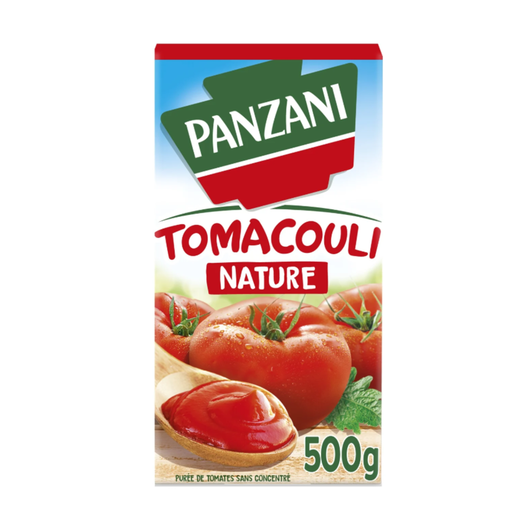 Image unavailable
This tomato purée is a good choice if you want to make your own pasta sauce rather than use a ready-made recipe.
Compare the sugars, salt and fat per 100 g on the exact product’s packaging. Check the ingredients too before choosing your seasoning.
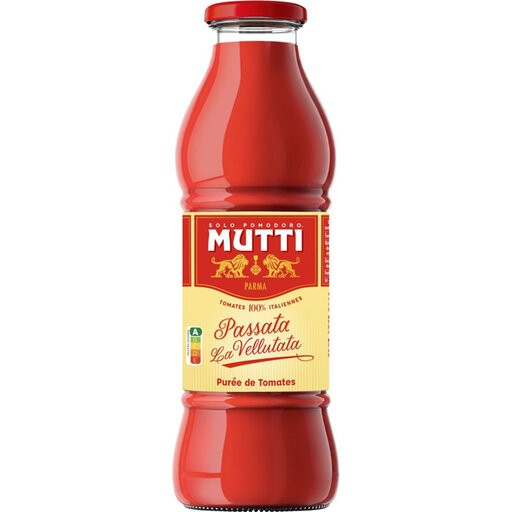 Image unavailable
This passata is for anyone who wants to start with a tomato base and make their own pasta sauce.
The pack size is 700 g. Before seasoning it, read the ingredients and compare the sugars, salt and fat per 100 g.
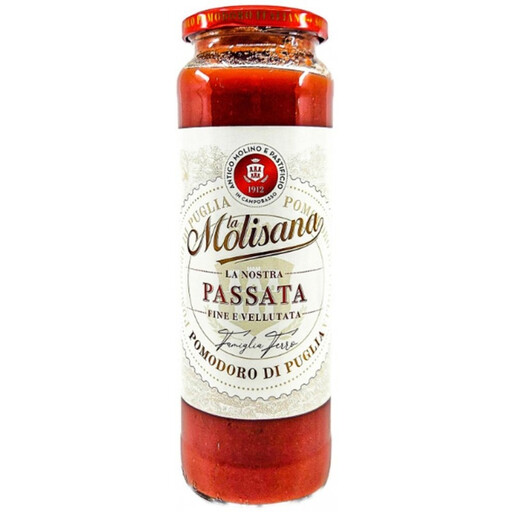 Image unavailable
This tomato purée can be the starting point for a pasta sauce whose other ingredients you choose yourself.
The pack size is 690 g. Check the ingredients list and values per 100 g, then consider how much you’ll use in your recipe.
 Image unavailable
This 500 g purée is a tomato base you can add to when making pasta sauce.
If salt content matters to you, check the ingredients list and nutrition values on the exact product’s packaging before deciding how to season your sauce.
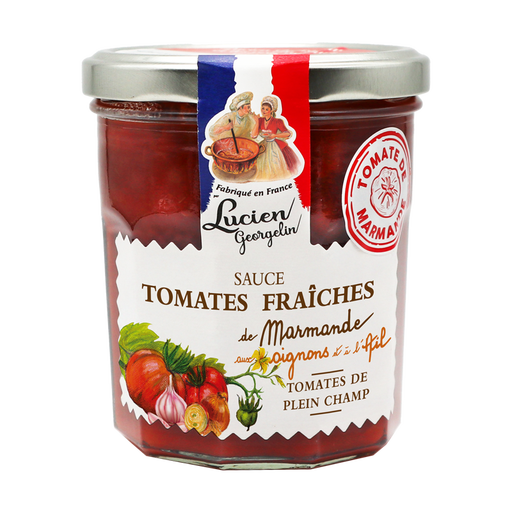 Image unavailable
This 300 g preparation is for anyone who would rather use a ready-made tomato recipe for pasta than season a purée from scratch.
Compare the sugars, salt and fat per 100 g, and read the ingredients list. Once opened, follow the storage instructions on the packaging.
No. This wording alone doesn’t tell you how much sugar, salt or fat a sauce contains. Carrefour’s listing for a Panzani sauce with fresh tomatoes includes cane sugar and salt. Compare the values per 100 g and the amount you plan to use.
No. If displayed, Nutri-Score is an overall guide, not a substitute for reading the label. Also check the ingredients and nutrition values for the specific sauce, particularly the sugars, salt and fat.
Start by comparing their nutrition values per 100 g. As the French National Health Insurance Fund points out, this gives you a common basis for comparing jars of different sizes. Then check the ingredients and how much sauce you expect to serve.
No. The fact that a product is a pasta sauce doesn’t, by itself, determine whether it belongs in a meal. The French National Health Insurance Fund highlights the importance of a balanced diet. When comparing sauces, check their ingredients and the portion you’ll use, and don’t treat a claim such as ‘fresh tomatoes’ as a guarantee of nutritional value.