
Livraison le jour même ou le lendemain

Qualité garantie

Débloquez vos offres de bienvenue: Livraison GRATUITE | Jusqu'à -80 % | 30 jours d'essai gratuits à JoyPlus
Téléchargez l'application
The paper towel, or kitchen roll, seems like one of the simplest everyday purchases. And yet, who hasn't cursed at a sheet that tears apart at the first touch of water, or a "jumbo roll" that runs out in just a few days? Between packaging that promises record-breaking absorption and formats that are supposedly budget-friendly, it's easy to end up with a disappointing product. This guide is here to help you see through the noise and choose the paper towel that truly fits your needs, without falling for marketing traps.
Before we break down the selection criteria, let's review the most common scams and disappointments. The ones that, in the end, cost you more.
To ensure you never make the wrong choice again, check these three essential points before you head to the checkout.
A paper towel's effectiveness rests on two pillars: its absorption capacity and its durability. Both of these qualities are directly linked to the number of paper layers, known as plies.
The texture (embossing) also plays a role: well-defined patterns can improve absorption.
To judge the value for money, never rely solely on the price on the package. Make it a habit to check two pieces of information on the packaging:
The calculation is simple: divide the pack's price by the total number of sheets to get a cost per sheet. This is the most reliable indicator for finding a budget-friendly paper towel in the long run.
If environmental impact is an important criterion for you, look for certifications and concrete proof.
To help you make a clear choice, here are a few concrete examples that cater to different needs.
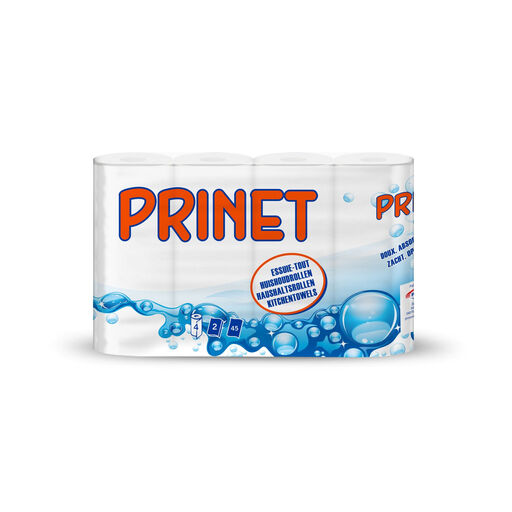
Why we chose it: This is the simple, effective option for daily use. It offers a fair balance between a tight price and honest performance for small household tasks, with no frills.
This product doesn't overpromise. It's a transparent, economical choice: a pack of four 2-ply rolls at a competitive price, period.
Its French manufacturing, practical format for regular use, and good quantity-to-price ratio.
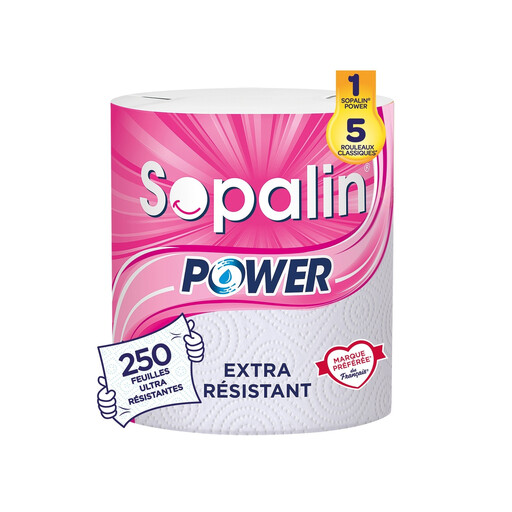
Why we chose it: The ideal solution for large families or heavy-duty use. This single 250-sheet roll means fewer roll changes and is robust enough for major cleanups, DIY projects, or pet messes.
The "jumbo size" trap is avoided with a clear, quantified promise: 1 roll is equivalent to 5 standard rolls. Its superior strength, even when wet, directly addresses the problem of sheets that fall to pieces.
Its extra-long-lasting format (250 sheets) and heavy-duty strength for tough jobs.
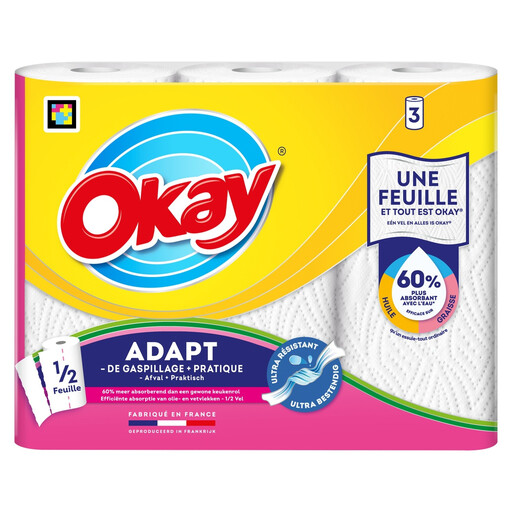
Why we chose it: Perfect for those who want to reduce waste without sacrificing performance. The half-sheet format helps you use just the right amount, and its high absorption capacity (60% more than a classic paper towel, according to the brand) makes it incredibly effective.
It counters the vague eco-claims trap with concrete benefits: the half-sheet format to reduce waste and certified compostable sheets. Here, the environmental argument is practical and verifiable.
Its controlled consumption thanks to half-sheets and its compostable nature for a reduced environmental impact.
We have gathered a complete and up-to-date selection of products that meet our selection criteria and regulations.
2-ply paper towel is the standard for everyday use, offering a good balance of absorption and price. 3-ply, on the other hand, is thicker, more absorbent, and stronger. It's ideal for big messes or for scrubbing, but it is logically more expensive.
Yes, provided you choose a product with the "compostable" label. Be careful: only compost sheets soiled with water or food scraps. Those soaked in chemicals, oil, or grease should go in the regular trash.
Don't trust the size of the roll. The only reliable calculation is to divide the pack's price by the total number of sheets. This will give you a cost per sheet. Compare this figure across several products to find the most economical one for your usage.