
Same-day & Next-day Delivery

Quality Guaranteed

Unlock Your Welcome Offers: FREE Delivery | Up to 80% OFF | Free 30-day JoyPlus trial
Download the APP
Kitchen roll, or paper towels, might seem like a trivial purchase. Yet, faced with shelves overflowing with marketing promises, it's easy to end up with an underperforming product or pay a premium for features you don't need. Before you fill your shopping cart, let's take a moment to sidestep the most common traps and identify the criteria that truly matter.
jumbo roll from one brand can therefore contain fewer sheets than a competitor's standard roll. Trusting your eyes is a classic mistake that can hurt your wallet. The only reliable indicator? The total number of sheets.strong paper towel once it gets wet. The quality of the cellulose pulp and the ply-bonding technique are far more decisive. A product that disintegrates at the first contact with liquid is a poor investment, regardless of its apparent thickness.decorated paper towel is a nice touch, but the inks used must be certified for food contact. Likewise, an eco-friendly paper towel can't just have green packaging; it must display clear certifications, like the FSC label, which guarantees responsible forest management.To cut through the clutter in the aisles, focus on these three key points.
The number of plies (usually two or three) affects both absorbency and durability. Be careful, a good two-ply paper can prove more effective than a low-end three-ply one. The real test is its wet strength. A good absorbent paper shouldn't fall apart when you scrub a wet surface. This is where the quality of the cellulose pulp makes all the difference.
To evaluate value for money, forget the size of the roll. The only calculation that matters is the cost per sheet or per square metre. Buying a kitchen roll bulk pack is almost always more economical, whether for family or professional use. Compare the total number of sheets in the pack with the displayed price: it's the only way to know if a jumbo roll is truly a good deal.
Take a look at the logos on the packaging. For kitchen use, food contact suitability (the small pictogram with a glass and fork) is non-negotiable, especially for decorated models. If you're environmentally-minded, look for the FSC (Forest Stewardship Council) or PEFC labels. They guarantee that the paper comes from responsibly managed forests.
To help you see more clearly, here are a few products that meet very specific needs.
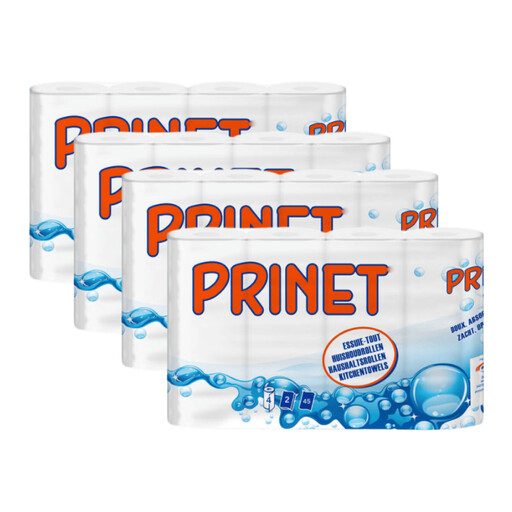
The Lowdown: This pack gets straight to the point. It's for those who want quantity at a controlled cost for everyday little messes. Perfect for always having a roll on hand without breaking the bank.
It skips the "jumbo roll" marketing and focuses on facts: a large number of rolls at a rock-bottom price, which makes the unit cost crystal clear.
The ultra-economical bulk format, ideal for stocking up and not having to think about it for months.
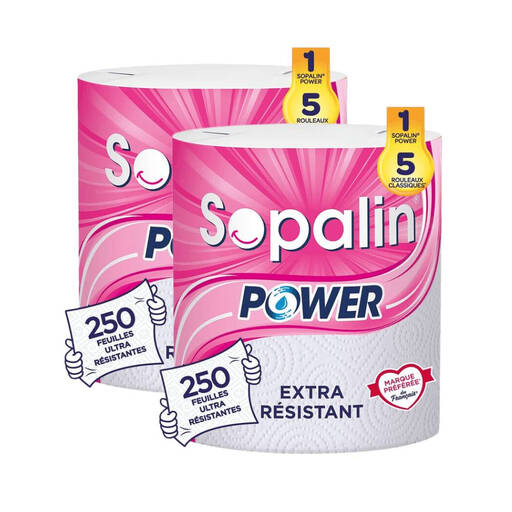
The Lowdown: For large families and heavy-duty use, strength and absorbency are the top priorities. This product is designed to mop up major accidents and survive a cleaning session without falling to pieces.
Here, the promise of strength isn't just talk: with 250 sheets per roll and a 2-ply structure that holds up even when wet, it delivers on the toughest jobs.
Its very large capacity (equivalent to 10 standard rolls) and its robustness mean fewer trips to the store.
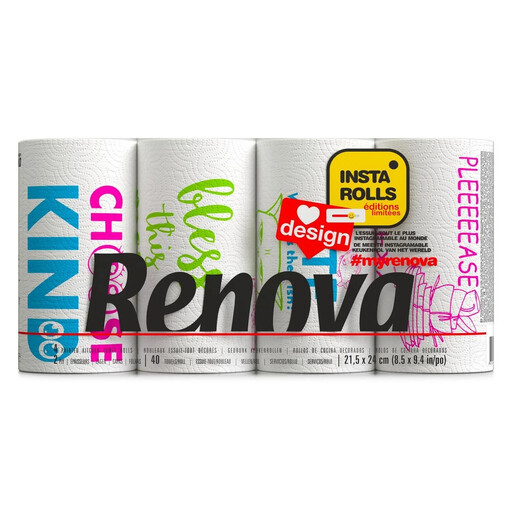
The Lowdown: For those who believe the devil is in the details, this kitchen roll transforms a mundane object into a decorative touch. Each roll is a surprise, with changing patterns.
Style, yes, but not at the expense of function. This product is certified for food contact and its 2-ply structure ensures perfectly adequate absorbency and strength for daily use.
An original and changing design that is still food-safe and FSC Mix certified. The perfect combo.
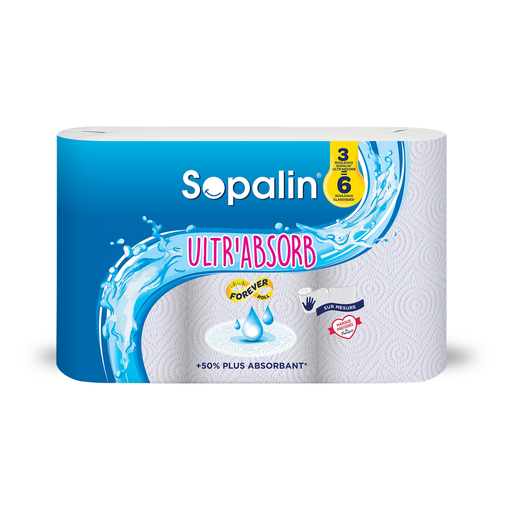
The Lowdown: This option checks two important boxes: less waste thanks to the half-sheet format, and a clear conscience with the FSC certification.
It doesn't just rely on a vague "eco" claim. It provides proof (the FSC Mix label) and a smart feature (the half-sheet) that encourages you to use just what you need.
The half-sheet format to combat waste, coupled with the FSC certification for a more responsible purchase.
Discover our full selection of products that meet our selection criteria and current standards.
Yes, but with a few rules to follow. If it has only been used to wipe up water, crumbs, or non-greasy organic matter, it can absolutely join your compost pile. Some brands, like Okay, even state this on their packaging. However, if it's soaked in cleaning products, oil, or grease, it should go in the regular bin to avoid contaminating your compost.
No official standard defines what a "standard roll" or a "jumbo roll" is. The size and number of sheets vary enormously from one brand to another. To compare intelligently, the only reliable method is to look at the total number of sheets on the package and, ideally, calculate the cost per sheet or per square metre.
Normally, yes. Reputable manufacturers use inks that are safe for food contact, even if indirect. To be sure, look for the "safe for food contact" mention on the packaging or the well-known pictogram with a glass and fork. If this information is missing, as a precaution, avoid direct contact between the decorated side and your food.