If fair trade is your priority, a chocolate bar that clearly identifies its certification and the ingredients covered by it is a better fit than sweets chosen without product-specific evidence. For a sharing break where this isn’t a deciding factor, sweets may be suitable, as long as you check the sugar per 100 g, allergens and ingredients such as gelatine separately.
Who are these choices for?
A sweet treat with a clear fair trade commitment
You’re looking for a certification or precise information about the ingredients it covers, and a chocolate bar could take the place of sweets during your break. Check the specific product you’re considering: a general overview of a brand doesn’t necessarily explain the scope of its commitment for every product.
Regular breaks with an eye on sugar
You’re choosing between several sweet snacks. Compare their nutritional values per 100 g, then consider how much you plan to eat. According to Santé publique France, displaying the Nutri-Score is voluntary, so its absence alone isn’t a reason to rule out a product.
A treat for colleagues with different needs
If you’re sharing sweets or chocolate, check the allergens and ingredients for each product. For example, you can’t tell whether something contains gelatine just by looking at the brand. The DGCCRF notes that allergens must be listed and highlighted on the labels of products that contain them.
What should you check before buying?
First decide whether evidence of a fair trade commitment is essential. Then compare the nutritional information and ingredients for the product you’re thinking of sharing.
| Criteria |
What to check |
Who it matters to |
| Fair trade credentials |
The certification or standard for the exact product, and then which ingredients it applies to. |
If I’m swapping sweets for chocolate to prioritise fair trade, I want to know exactly what the commitment covers. Around 40% of consumers rank this evidence as their top priority. |
| Nutritional comparison |
Sugar and energy per 100 g, as well as the amount planned for a break. |
For regular sweet treats, I want to compare recipes without relying on the Nutri-Score alone. This is the top priority for around 30% of consumers. |
| Ingredients and sharing |
Any listed allergens and whether the product you’re buying contains gelatine. |
When I bring in a treat to share, I need to be able to take my colleagues’ dietary requirements into account. For around 30% of consumers, whether a product meets these needs comes before other criteria. |
When comparing two pre-packed products, the nutrition declaration is a useful common starting point, even if neither displays a Nutri-Score. The DGCCRF explains that this declaration is compulsory for most pre-packed foods, subject to exemptions. A fair trade commitment provides information about sourcing; it doesn’t replace the nutrition table or ingredients list.
Common misconceptions to avoid
-
Assuming every pack must display the Nutri-Score
According to Santé publique France, producers display the Nutri-Score voluntarily. Its absence therefore doesn’t tell you anything conclusive about the nutritional profile of sweets or chocolate.
Instead, compare the values listed per 100 g and consider how much you’ll eat. The DGCCRF distinguishes this nutrition declaration, which is compulsory for most relevant pre-packed foods, from the voluntary logo.
-
Confusing fair trade with low sugar
A supply-chain certification and nutritional values describe two different things. The product information for Alter Eco’s dark chocolate with pear and almonds details the proportion of ingredients from fair trade and also lists 43 g of sugar per 100 g.
Check the scope of the certification separately from the ‘of which sugars’ line in the nutritional information for the chocolate bar you’re choosing.
-
Assuming a product’s ingredients based on its brand
Two types of sweets from the same brand can have different ingredients. Haribo France, for example, lists gelatine in its Tagada recipe; this doesn’t describe every Haribo product.
If you’re buying for a group, check the ingredients list, highlighted allergens and any ‘may contain’ warnings on each pack.
Brands to know
These examples help you distinguish information published about a specific chocolate bar from characteristics that can’t be assumed to apply to an entire range.
Ethiquable
The brand presents fair trade and organic chocolate, with information about its ingredients and supply chains.
- On its 80% dark chocolate product page, Ethiquable specifies the proportion of the total weight that comes from fair trade, and the proportion covered by SPP.
- This information applies to this chocolate bar. Check the product page and packaging for any other product before assuming it has the same characteristics.
Alter Eco
Some chocolate bars detail which ingredients come from fair trade under the Fair for Life standard.
- Alter Eco states that 90.6% of the ingredients in its dark chocolate with pear and almonds come from fair trade verified by Fair for Life.
- The same product page lists 43 g of sugar per 100 g, so check the nutritional values separately from the fair trade standard.
Kaoka
Kaoka showcases organic and fair trade cocoa supply chains and refers to certifications including Fair for Life and Biopartenaire.
- The information published by Kaoka gives you pointers for looking into its stated approach to cocoa.
- Check the certification and its scope on the chocolate bar you’re actually buying rather than assuming that general information about a supply chain applies to every product.
Haribo
Its sweets may be just the thing to share, but you should check the ingredients for each product individually.
- The Haribo France product page for Tagada lists gelatine among its ingredients and states that it contains 74 g of sugar per 100 g.
- This information describes Tagada, not all Haribo sweets, and isn’t evidence of a fair trade commitment.
Sweets for sharing on a break
These two bags of lollipops are suited to a sweet treat to share when fair trade isn’t a condition of purchase. If this matters to you, check the certification and its scope for the product you’re considering before you choose.
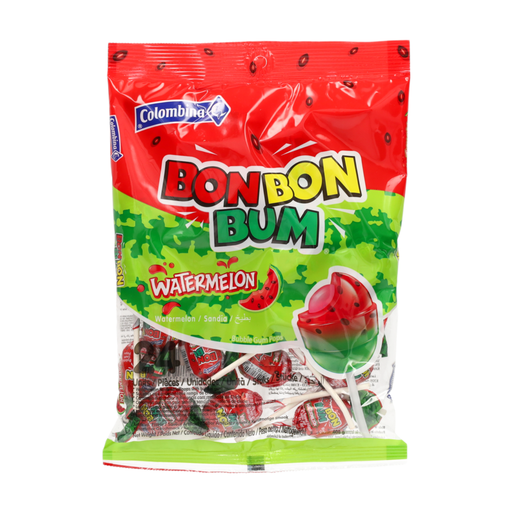 Image unavailable
Colombina Bon Bon Bum watermelon lollipops with chewing gum, 408 g
This bag could be a good choice for an occasional treat to share at the office. If ingredients or dietary requirements will determine your choice, check the ingredients and allergen information on the packaging. If you’re looking for fair trade credentials, check these separately.
View on Joybuy
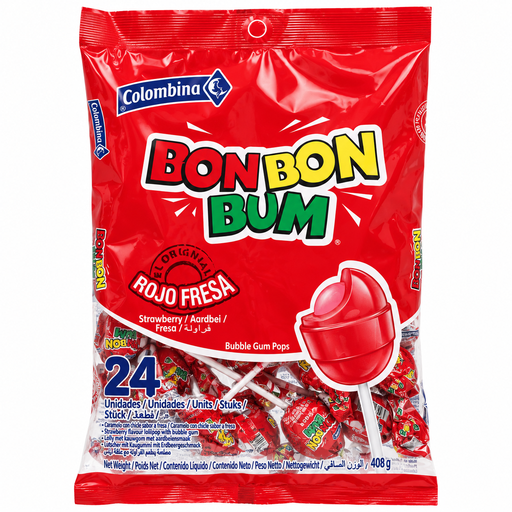 Image unavailable
Colombina strawberry lollipops with chewing gum, 408 g
This pack size is handy for sharing. Check the packaging for soya and any possible traces of other allergens before offering them to colleagues. If fair trade matters to you, make sure the product has the relevant credentials too.
View on Joybuy
Frequently asked questions
Is the Nutri-Score compulsory on sweets and chocolate in France?
No. Santé publique France explains that displaying it is voluntary. For relevant pre-packed foods, the DGCCRF says the nutrition declaration is compulsory, subject to exemptions. So compare the values per 100 g even if there’s no Nutri-Score.
What should I check before sharing sweets with colleagues?
Read the ingredients and allergen information for the product you’ve bought, as well as any ‘may contain’ warnings. If someone avoids ingredients of animal origin, check for gelatine too: Haribo France lists it in Tagada, but that doesn’t mean all its sweets contain it.
Does fair trade chocolate necessarily contain less sugar?
No. A fair trade commitment and sugar content are two separate things. Alter Eco states that its dark chocolate with pear and almonds contains fair trade ingredients; its product page also lists 43 g of sugar per 100 g. Compare the nutritional values of the products you’re interested in.
How should I store a chocolate bar at the office?
Follow the instructions on the chocolate bar you’ve bought. For its Ethiquable organic milk chocolate with puffed rice, Joybuy recommends storing it in a cool, dry place away from light, at between 16 and 18 °C. Don’t assume these instructions apply to every chocolate bar without checking.


