What should you compare?
To choose between sweets and chocolate on your weekly shop, first check what the label covers. Then compare the packaging of products that meet your ingredient and allergen requirements.
| Criteria |
What to check |
Who is it for? |
| What the Fairtrade label covers |
Look for the exact logo and, on products made with several ingredients, details of which ingredients are certified. SPP and Fairtrade/Max Havelaar are separate certification schemes. |
When adding a Fairtrade treat to my basket, I want to know which ingredients are covered before choosing. Around 45% of consumers put this evidence at the top of their list of concerns. |
| Nutritional values and pack size |
Compare energy, sugars, saturates and salt per 100 g, then check the pack size. Nutri-Score is an additional guide if it appears on the packaging. |
When there are several treats in my weekly shop, I need to compare their recipes without confusing pack size with nutritional values per 100 g. Around 33% of consumers make nutritional comparisons their top priority. |
| Allergens and suitability for children |
Read the highlighted allergens and any ‘may contain’ warnings. For confectionery with a non-edible item, check the warnings and whether it is suitable for the child’s age. |
If the treat is for someone with an allergy or for a child, I need to rule out unsuitable ingredients or formats first. Around 22% of consumers put this precaution ahead of other criteria. |
According to the DGCCRF, nutrition declarations for relevant pre-packed foods are given per 100 g or 100 ml, and allergens must be highlighted in the ingredients list. A Fairtrade label is no substitute for checking either of these.
Chocolate bars available on Joybuy
These three Tony’s Chocolonely bars are worth considering if you’re happy to choose chocolate instead of jelly sweets. Fairtrade documents the certification of the brand’s bars. To choose a variety, check the exact logo, ingredients and allergens on the packaging.
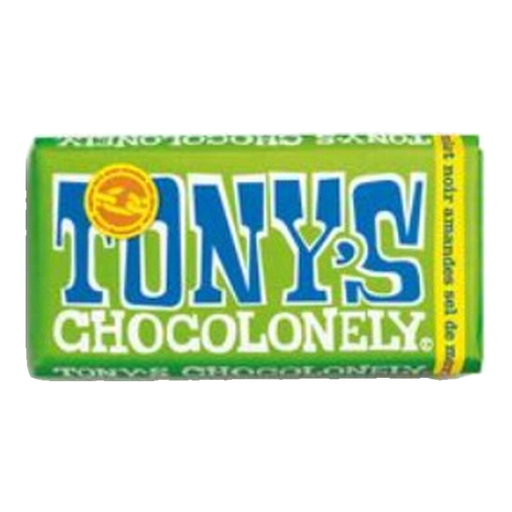 Image unavailable
TONY'S dark chocolate, almonds and sea salt — 180 g
Worth considering if you’d prefer a large dark chocolate bar with almonds to a bag of sweets. Check the Fairtrade logo for this variety and the allergen information on the packaging, especially if tree nuts are a concern.
View on Joybuy
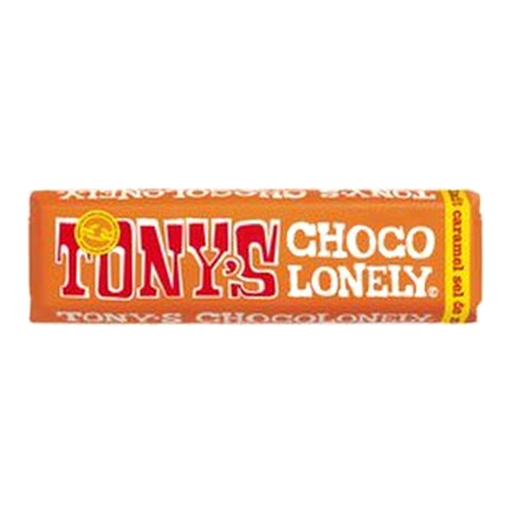 Image unavailable
TONY'S milk chocolate, caramel and sea salt — 47 g
This mini bar is a good option if you fancy milk chocolate with caramel and sea salt rather than jelly sweets. If allergens are a concern, check the ingredients and any ‘may contain’ warnings on the pack, as well as what the Fairtrade logo covers.
View on Joybuy
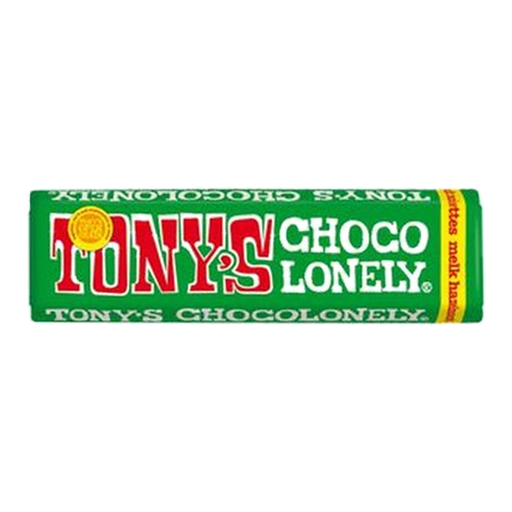 Image unavailable
TONY'S milk chocolate with hazelnuts — 47 g
This 47 g bar is a good choice if you prefer milk chocolate with hazelnuts. As tree nuts are a key ingredient in this variety, check the ingredients and any ‘may contain’ warnings if you’re buying for someone with an allergy. Also check the Fairtrade logo on the pack.
View on Joybuy
Frequently asked questions
Is Nutri-Score compulsory on sweets and chocolate in France?
No. Santé publique France says that displaying Nutri-Score is voluntary. According to the DGCCRF, a nutrition declaration is still required for relevant pre-packed foods, subject to applicable exemptions. Compare the values per 100 g even when Nutri-Score is not shown.
Does a Fairtrade logo mean that every ingredient is certified?
Not always. Fairtrade/Max Havelaar distinguishes, among other things, between the logo without an arrow and the logo with an arrow, which is used on some products made with several ingredients. For the latter, the organisation states that the product must contain at least 20% Fairtrade ingredients overall under the relevant scheme. Read the details on the back of the pack to see what the label covers.
How can you check the allergens in a Fairtrade treat?
Read the ingredients list and any ‘may contain’ warnings for the product you’re buying, regardless of its Fairtrade label. The DGCCRF reminds shoppers that allergens must be highlighted in the ingredients list of relevant pre-packed foods.
What should you check before buying sweets with a toy for a child?
Check the warnings, the age the product is intended for and whether it contains any non-edible parts. The DGCCRF warns that sweets that imitate non-edible items and some small components can pose a risk, including a choking hazard.
Where can you look for Fairtrade/Max Havelaar treats when shopping?
Max Havelaar France lists supermarkets, local shops and specialist retailers as places to look for Fairtrade products. Availability varies from shop to shop, so check the label on the product you find rather than assuming a particular retailer stocks certified jelly sweets.


