What should you check before buying?
Start with any dietary restrictions among your guests, then check the fair-trade credentials of each recipe you’re considering. Nutritional information and pack size can then help you choose between the bars that are suitable for the party.
| Criterion |
What to check |
Who is this for? |
| Fair trade |
The label on the specific bar and, where stated, the proportion of the product that comes from fair trade. |
I want the chocolate I serve to reflect a verifiable commitment, not just a brand promise; around 27% of consumers prioritise this evidence. |
| Allergens |
Highlighted ingredients and ‘may contain’ statements on every recipe you buy. |
A child has a known allergy, so I need to find a suitable recipe before planning what to serve. Around 33% of consumers put suitability for their guests first. |
| Sugars and nutritional information |
The ‘of which sugars’ figure per 100 g and the portion you plan to serve. |
With other food planned for the party, I want to compare the bars on the same basis before deciding on quantities; around 27% of consumers put this check first. |
| Flavour and format |
The weight of the bars and the type of chocolate for how you plan to use it. |
If I’m making a cake or sharing pieces, I need an amount and recipe that work for the group; around 13% of consumers prioritise this practical choice. |
Chocolate bars available on Joybuy
These milk and dark chocolate bars come in a range of sizes and recipes to consider for a party to share. If fair trade is essential, check the label or statement on the packaging of each bar you choose. Remember to check the allergens before serving, too.
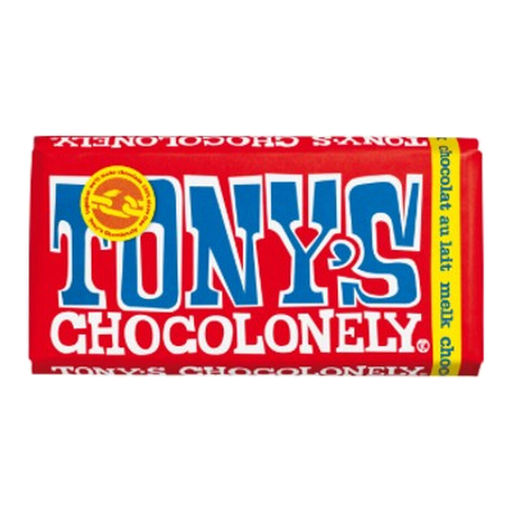 Image unavailable
TONY'S Milk Chocolate, 180 g
The 180 g size could work well for preparing pieces to share. Before serving, check the packaging for allergens and any information about fair trade.
View on Joybuy
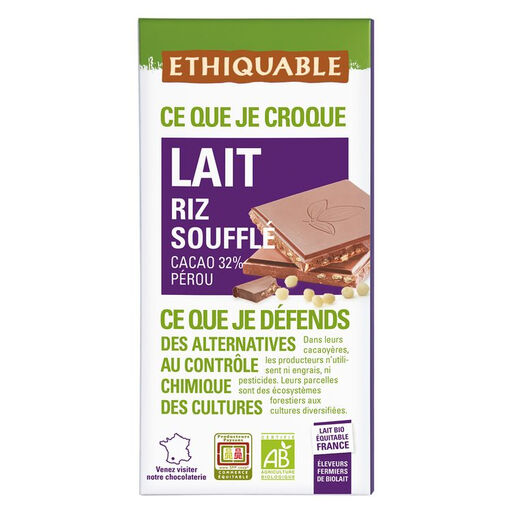 Image unavailable
Ethiquable Organic Milk Chocolate with Puffed Rice, 100 g
Puffed rice gives this recipe a different twist from plain milk chocolate. Check the allergens and fair-trade information for this specific version; don’t assume it has the same credentials as another Ethiquable bar.
View on Joybuy
 Image unavailable
Lindt Excellence Dark 85% Cocoa, 100 g
This bar is better suited to a group that enjoys dark chocolate with 85% cocoa; don’t assume every child will like it. Check the label for allergens, sugars and any fair-trade claims.
View on Joybuy
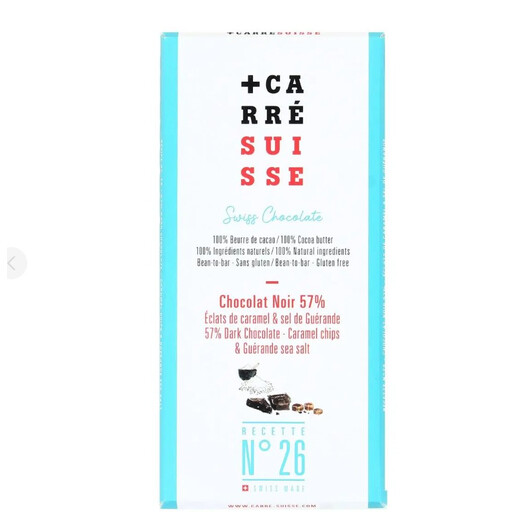 Image unavailable
CARRE Organic Dark Chocolate with Caramel and Guérande Sea Salt, 100 g
This recipe combines dark chocolate, caramel and Guérande sea salt for guests who enjoy those flavours together. Check the ingredients list, any ‘may contain’ statements and any fair-trade information specific to this bar.
View on Joybuy
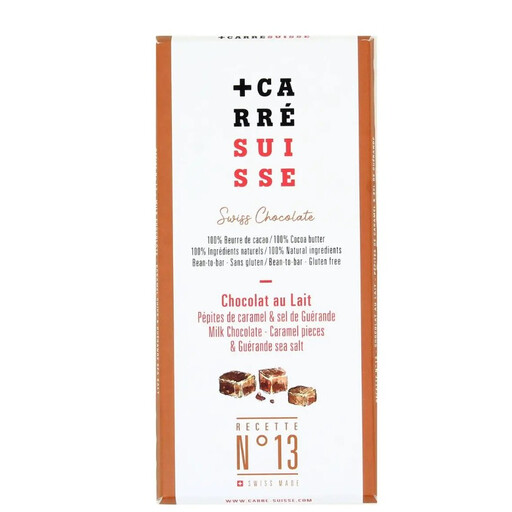 Image unavailable
Swiss Organic Milk Chocolate with Caramel and Guérande Sea Salt, 100 g
This milk chocolate bar flavoured with caramel and salt could be a good choice if those flavours are on the party menu. Check the packaging for allergens, nutritional information and any fair-trade label.
View on Joybuy
Frequently asked questions
Is Nutri-Score compulsory on chocolate bars in France?
No. According to Santé publique France, producers display Nutri-Score voluntarily. However, the European Commission states that prepacked foods sold in the European Union must carry the applicable labelling information, including ingredients and allergens. You should also compare the nutritional values when the logo isn’t shown.
Does the soft drinks tax apply to chocolate bars?
No. The levy outlined by the French Ministry of the Economy applies to sugary drinks. To compare chocolate bars, check their ‘of which sugars’ figure per 100 g and think about the portions you’ll serve.
How can you check allergens for a birthday tea?
First, ask parents about any allergies you need to consider, then check the ingredients and any ‘may contain’ statements on every pack you buy. The European Commission states that allergens used as ingredients must be highlighted on prepacked foods sold in the European Union; checking another recipe from the same brand isn’t enough.
What does the Fairtrade / Max Havelaar label tell you about a chocolate bar?
According to Fairtrade / Max Havelaar France, it refers to social, economic and environmental criteria applied to the growing and marketing of the product. Check that the label appears on the bar you’ve chosen: on its own, it doesn’t tell you about allergens, sugars or flavour.


