Travellers who pay attention to ingredients
You want to take plain or roasted nuts with a short ingredient list. If you choose roasted nuts, check the packet to see whether oil or salt has been added.


For a snack on the go, first distinguish nuts from dried fruit: nuts naturally contain fat, while dried fruit can be high in sugar. If you’re looking for a simple ingredient list, choose plain or unsalted nuts and plan a portion that suits your journey. If your main priority is fat content, compare the nutritional values rather than assuming a product is ‘reduced-fat’ just because it says ‘no added oil’. For a fruity mix, check the sugars and ingredients too.
You want to take plain or roasted nuts with a short ingredient list. If you choose roasted nuts, check the packet to see whether oil or salt has been added.
Raisins, dates or fruity mixes might appeal for your journey. Compare the sugars per 100 g and the ingredients in each recipe, including any added sugar.
You want an amount that’s easy to carry. Check the net weight and whether the packet contains one quantity to portion out or individually wrapped servings. Also check the label for relevant allergens.
Start with the product type and ingredients, then compare the nutritional values and the format for your journey. ‘No added oil’ describes the recipe; on its own, it doesn’t tell you the total fat content.
| What matters to you | What to check | Who is it for? |
|---|---|---|
| Fat | Compare the fat per 100 g in products of the same type and check the ingredients for oil. | If I’m mainly looking to limit fat during my journey, I want to know the content of the whole product, not just what’s been added. Around 42% of consumers put this need first. |
| Ingredients and format | Look for ‘unsalted’ or ‘no added salt’, then check the net weight and packaging. | When I want to pop a simple snack in my bag, I choose a recipe that suits me and an amount that’s easy to take with me. This is the main priority for around 33% of consumers. |
| Sugars in mixes | Read the ingredients list and compare the sugars per 100 g in similar recipes. | I enjoy dried fruit, but I want to distinguish its natural sugars from any added sugars in a mix. This is a priority for around 25% of consumers. |
Salt and fat are two different things. The roasted almonds with no added salt listed by Auchan contain 52 g of fat per 100 g.
If fat content is guiding your purchase, check the relevant line in the nutritional information rather than relying on the wording on the front of the packet.
The Tokapi nut and dried-fruit mix listed by E.Leclerc includes sweetened fruit, sugar-coated almonds and sunflower oil.
Before choosing a mix, check the ingredients and the ‘sugars’ line in the nutritional information.
As well as the nuts themselves, some product listings warn that other allergens may be present in traces. Warnings can vary from one recipe to another.
If you need to avoid an allergen, check the label of the exact product before every purchase, including any warnings about traces.
Carrefour offers nut mixes in its Original and Sensation ranges, among others.
The Tokapi range includes a nut and dried-fruit mix labelled ‘no added salt’.
Auchan offers roasted almonds with no added salt in a 400 g packet, among other products.
At Lidl, Alesto brings together nuts, dried fruit and savoury snacks.
Aldi offers shelled, unsalted almonds under the Trader Joe's brand, among other products.
Monoprix offers almonds and cashews under its own brand, among other products.
These options include dried fruit and fruit-based snacks that are ready to take with you. They suit different format and ingredient preferences from plain nuts, so compare their sugar content before choosing.
 Image unavailable
Worth considering if you’re looking for ready-to-eat dried fruit with a single ingredient listed: jujube. The product contains 0.0 g of fat, but 66.5 g of sugars per 100 g. The packet contains 280 g; check the packaging if you’d prefer individually portioned servings for your journey.
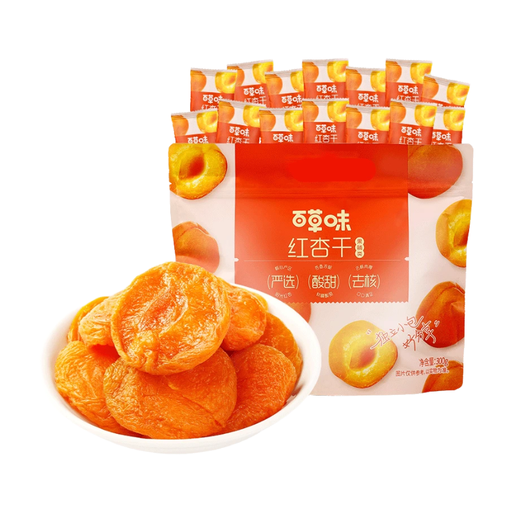 Image unavailable
Worth considering if you prefer ready-to-eat dried apricots with a single ingredient listed. The stated values are 1.0 g of fat, 64.5 g of sugars and 0.8 g of salt per 100 g. The packet contains 300 g; check the packaging if individually portioned servings are important to you.
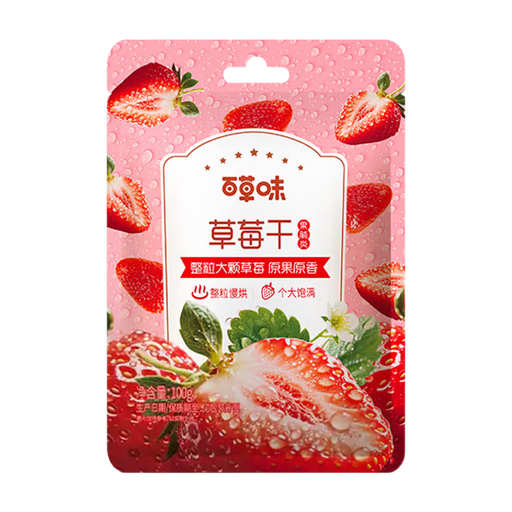 Image unavailable
The 100 g packet could be a handy compact option to take with you, but it contains more than just strawberries. The recipe includes sugar and maltose syrup, with 1.0 g of fat and 59.4 g of sugars per 100 g. It also lists sulphites (E223) and carries a warning that the colour E120 may affect children’s activity and attention.
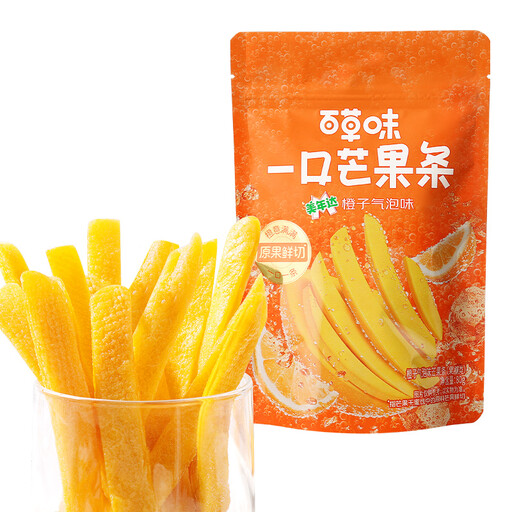 Image unavailable
These mango-based bars come in small, ready-to-eat bites for your journey. The 80 g packet contains a recipe with sugar, malt syrup and other additions; the stated values are 1.7 g of fat, 72.6 g of sugars and 1.1 g of salt per 100 g. Sulphites (E223) are also listed.
 Image unavailable
The individually wrapped sticks are handy when you want portions that are easy to grab during your journey. The product contains 0.5 g of fat per 100 g; its recipe also includes maltose and sugar. If sugar content is a deciding factor for you, check the value on the packet before buying.
No. This statement refers to added ingredients, not the total fat content: the Daco Bello roasted almonds with no added salt or oil listed by Auchan contain 56 g of fat per 100 g. The European Commission explains that permitted nutrition claims are regulated. If you’re specifically looking for a ‘reduced-fat’ product, check the claim on its packaging.
Not necessarily: compare the ingredients and nutritional values of the product you’re interested in. Manger Bouger recommends a small handful of unsalted, unsweetened nuts without chocolate each day. It also points out that dried fruit is naturally high in sugar and can be eaten occasionally.
Look in particular at the fat, sugars and salt per 100 g, then consider how much you plan to take with you. In its food-labelling information, the French ministry responsible for the economy notes that nutrition declarations have been compulsory for pre-packed foods since December 2016.
Follow the instructions for the product you’ve bought rather than those for a different type of dried fruit. The listing for Auchan’s 400 g almonds says to reseal the packet tightly and consume within 15 days of opening; a Daco Bello listing recommends storing its product in a cool, dry place.