
Same-day & Next-day Delivery

Quality Guaranteed

Unlock Your Welcome Offers: FREE Delivery | Up to 80% OFF | Free 30-day JoyPlus trial
Download the APP
A non-alcoholic malt drink can replace beer or a soft drink at mealtimes, parties or during a refreshing break. However, with marketing claims, large formats and imported recipes to consider, comparing products is not always straightforward. A few simple checks can help you avoid unpleasant surprises.
The word “malt” refers to a raw ingredient or flavour profile, not necessarily an alcoholic drink. A malt drink can be carbonated and alcohol-free, whereas single malt whisky generally contains alcohol. Products such as Nikka Coffey Malt, Kavalan and Dalmore are therefore spirits and are not suitable if you are looking for a non-alcoholic malt drink.
Look for a clear alcohol-free or non alcoholic malt drink statement, as well as the alcohol content shown on the label. The words “malt drink” alone do not always make it clear what type of product you are looking at.
Some recipes highlight their B-vitamin content, sometimes combined with several minerals. This does not make the drink a health product, nor does it remove the need to check the nutritional information. When comparing products, focus mainly on sugars, carbohydrates and energy per 100 ml, then adjust these figures to the actual capacity of the can or bottle.
For example, the Hyper Malt label states 68 kcal and 14.5 g of sugars per 100 ml. A 330 ml can therefore contains considerably more than these reference amounts.
A pack of 24 cans or a pack of 24 bottles can be useful for a family, community group or reception. You will, however, need enough storage space. Glass bottles also require greater care during transport and storage. To try a recipe without immediately ordering a full case, it is better to start with a single unit or a pack of 6.
The 330 ml non-alcoholic drink format is common for individual consumption. Lightweight and easy to store, the can is particularly well suited to events. A glass bottle is better suited to a meal served at the table, but it is also heavier and more fragile.
Also check how the product is sold: some products are available individually, while others come in packs of 6 or 24. When comparing offers, the price per unit is more useful than the total price.
Recipes for carbonated malt drinks can vary considerably:
Serving temperature also affects the tasting experience. Most products are best enjoyed well chilled, but remember to check the storage instructions after opening.
Barley and barley malt are often listed among the ingredients. They contain gluten, so anyone who needs to avoid it should check the full labelling carefully before buying. Also look out for sugar, caramel colouring, hops, flavourings and sweeteners.
For guidance, the product pages for Vitamalt Classic and Supermalt state approximately 67 and 62 kcal per 100 ml, with 14 and 12.8 g of sugars respectively. These figures help you compare recipes, but they do not support any medical conclusions about consumption.
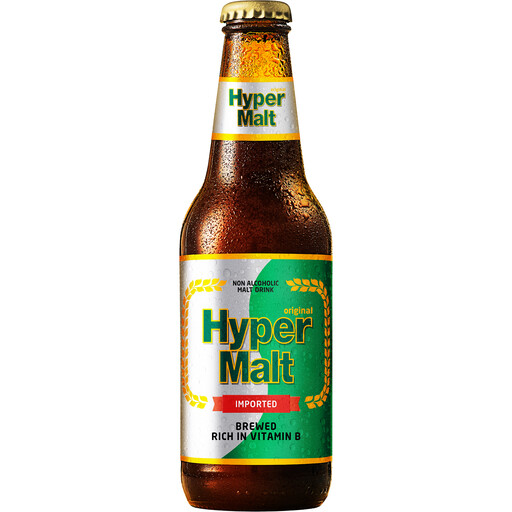
Why this product suits this profile: Its individual format lets you try a malt drink without committing to a large pack straight away. Serve it chilled and enjoy a carbonated recipe made with barley malt.
The product page clearly states the 330 ml capacity, the advertised alcohol-free status and the presence of barley. You can therefore check the format and allergen before placing your order.
A recipe containing 12.9% barley malt according to the product page, carbonated with carbon dioxide, with 68 kcal per 100 ml.
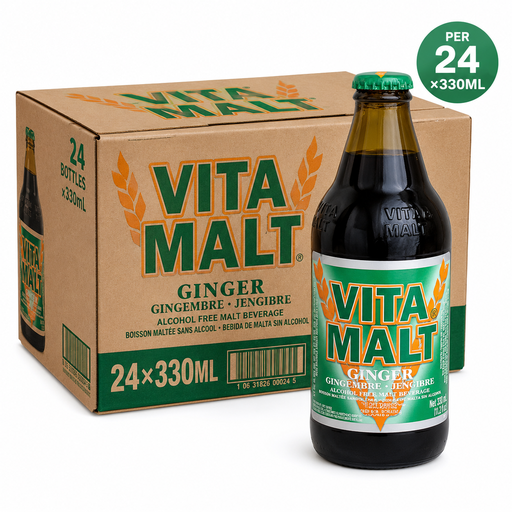
Why this product suits this profile: This pack of glass bottles is ideal for meals and receptions where individual presentation matters. Ginger and citrus notes offer a welcome change from the classic malt flavour.
The number of bottles and their capacity are stated directly on the product page. Simply make sure you have a cool storage space and handle the bottles with care.
330 ml bottles, a recipe made with barley malt and hops, plus natural ginger and lemon flavourings according to the description.
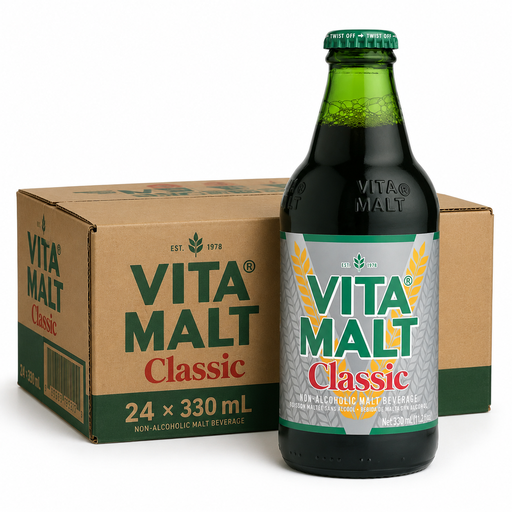
Why this product suits this profile: With 24 bottles, this pack is suitable for families, shops, events and regular enthusiasts of international malt drinks.
The product page details the pack of 24, storage between 0 °C and 25 °C, and the presence of barley. This makes it easier to organise a bulk purchase.
A malt profile with hops and a caramel note, 330 ml per bottle, plus 67 kcal and 14 g of sugars per 100 ml according to the product page.
We have put together a complete selection, updated in real time, of products that meet these exacting criteria and European safety regulations.
For everyday meals, a 330 ml can is practical and chills quickly. For a party or regular consumption, compare the unit price of a pack of 24 cans with that of a pack of 24 bottles. In an African grocery shop or a retailer specialising in world foods, products such as Maltina, Supermalt and Guinness Malta also allow you to explore flavour profiles inspired by different brewing traditions.
The Supermalt Original Sleek Can has a barley malt recipe enriched with B vitamins, with 62 kcal per 100 ml. According to its product page, Maltina combines sorghum malt, barley malt, vitamins and calcium. For Guinness Malta, check the nutritional information printed on the packaging carefully before comparing, as it may vary depending on the market and format.
Often, yes. Barley and barley malt are cereals that contain gluten. Hyper Malt, Vitamalt and Supermalt recipes specifically indicate the presence of barley. If you need to avoid gluten, always check the label.
Before opening, follow the storage instructions on the packaging: the drink should generally be kept in a cool, dry place away from sunlight. Once opened, it quickly loses its fizz. Place it in the fridge and consume it within the period specified by the manufacturer.
Lightweight, stackable and easy to transport, a can is ideal for outings and events. A glass bottle is better suited to serving at the table, but it is also heavier and more fragile. To try a recipe, start with a single bottle or a pack of 6. If you drink it regularly, a pack of 24 may reduce the cost per drink, depending on the price shown.