
Same-day & Next-day Delivery

Quality Guaranteed

Unlock Your Welcome Offers: FREE Delivery | Up to 80% OFF | Free 30-day JoyPlus trial
Download the APP
An alcohol-free malt drink can accompany a meal, an aperitif or a break, without following all the conventions of a classic beer. Yet the differences between products are far from negligible: some are very sweet, others focus on fruity or citrus notes, while vitamin B-enriched drinks don’t all share the same composition.
Before you stock your cupboard or order a pack, three pitfalls deserve your attention.
The absence of alcohol doesn’t automatically mean the drink is low in sugar or calories. A traditional malt drink can contain added sugar and clock in at over 60 kcal per 100 ml. Conversely, a lemon-flavoured alcohol-free beer may have a lower energy value, yet still contain a sweetener.
So compare the information per 100 ml, then relate it to the actual serving size you’ll consume. A 330 ml bottle can represent a far higher sugar intake than the figures on the label might suggest.
The presence of B vitamins describes a characteristic of the recipe, but it’s not a medical promise. Products like Supermalt or certain VITAMALT references indicate added or naturally occurring vitamins in their composition. This doesn’t replace a balanced diet and, on its own, isn’t enough to justify a purchase.
Similarly, terms like “malt”, “fruity” or “refreshing” don’t give you a precise indication of the taste. Check the ingredients list to spot barley malt, hops, juices, flavourings, sweeteners and the amount of sugar.
A pack of malt drinks with 24 bottles suits regular consumption or an event, but it takes up space and requires a larger upfront spend. Glass bottles are pleasant to serve from, but they’re also heavier and more fragile than cans.
For trying a flavour, a single serving or a six-pack is often the safer bet. For frequent consumption, compare the price per litre rather than the price per carton.
Start with the “carbohydrates, of which sugars” line. As a guide, VITAMALT Classic shows 14 g of sugars per 100 ml, while Supermalt Original states 12.8 g per 100 ml. Hyper Malt lists 14.5 g per 100 ml.
Tourtel Twist Lemon stands out with a stated value of 9 kcal per 100 ml and 0.5 g of sugars per 100 ml. However, its recipe contains sucralose. This choice may suit those looking to limit sugars, but not necessarily those who prefer to avoid sweeteners.
Check the exact wording on the packaging. The Tourtel Twist featured here states 0.0 % vol. An alcohol-free malt drink can still be made from barley malt and borrow some of the flavour characteristics of beer.
The “alcohol-free” claim should be considered alongside the product’s legal information, including its name, country of manufacture and consumption guidelines. For pregnant women, children or anyone with specific health advice, refer to the label and consult a healthcare professional if needed.
Most of the malt drinks featured here contain barley, and therefore gluten. They are not suitable for people with relevant allergies or intolerances. The ingredients list may also mention hops, caramel, liquorice, lemon juice or vitamins.
A fruity product isn’t necessarily free of malt. Tourtel Twist Lemon, for example, combines water, lemon juice from concentrate, barley malt, carbon dioxide and sucralose.
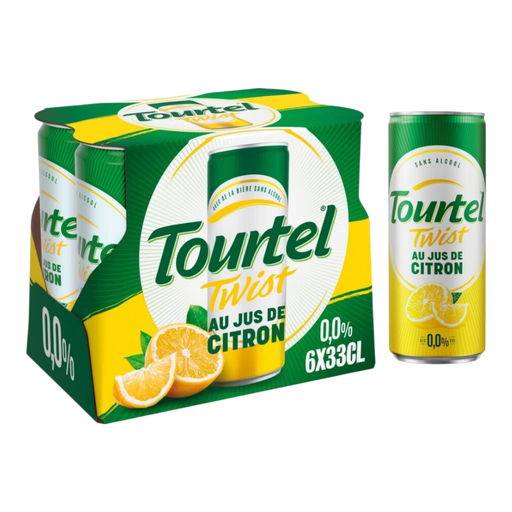
Why this choice suits this profile: Its lemon flavour and 6 × 33 cl format let you try a fizzy malt drink without committing to a large carton straight away.
The listing shows 0.0 % vol., 9 kcal and 0.5 g of sugars per 100 ml. However, the ingredients include sucralose, a point to consider before buying.
Lemon flavour, split format and no fat content stated on the product page.
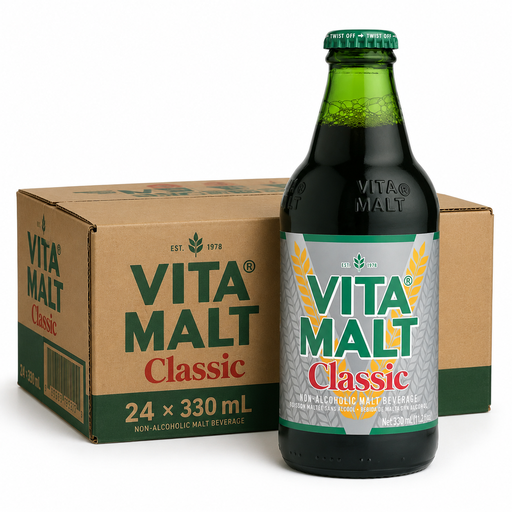
Why this choice suits this profile: The glass bottle packaging lends itself to elegant serving at a meal, aperitif or reception.
The total volume of 7.92 litres is clearly stated. The listing also specifies 14 g of sugars and 67 kcal per 100 ml, so you won’t mistake a polished presentation for a light recipe.
330 ml glass bottles, with notes of barley malt, hops and caramel.
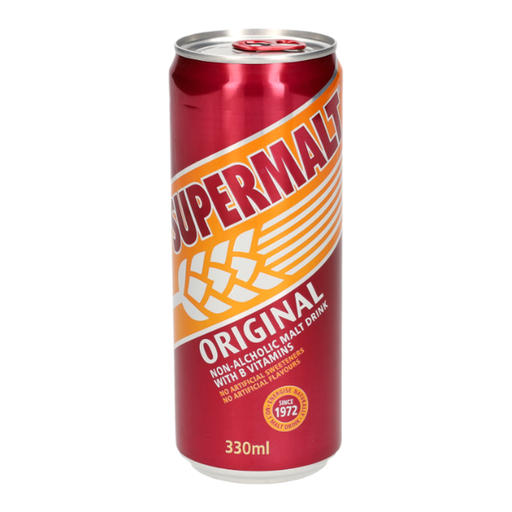
Why this choice suits this profile: The individual can fits easily in the fridge and works well for regular consumption, at work or during social occasions.
The listing confirms no artificial sweeteners, but states 42.2 g of sugars per 330 ml can. So the amount you consume still needs watching.
B vitamins listed in the ingredients, 330 ml can and a malty profile with liquorice notes.
We’ve put together a complete, real-time updated list of products that fully meet these strict selection criteria and European safety regulations.
Most products should be stored in a cool, dry place away from light, as stated on the packaging. Serve them well chilled if you’re after a more refreshing experience. Once opened, place the bottle or can in the fridge and consume it promptly, following the manufacturer’s instructions.
Also think about the container: handle glass bottles with care and check the best-before date before building up a large stock.
No, but the products in this selection generally contain barley, a cereal that contains gluten. VITAMALT Classic, Supermalt, Hyper Malt and Tourtel Twist all list barley in their ingredients or allergens. Anyone with allergies or intolerances should check the full label before consuming the product.
A malt drink can be formulated as a soft drink based on malt, sugar and hops. An alcohol-free beer follows the brewing process more closely and may have been dealcoholised. The legal name, the stated alcohol content and the ingredients list help you tell them apart. The taste then depends on the proportion of malt, flavourings and added juices.
It’s generally best to drink it quickly to preserve the fizz and flavour. Some listings recommend refrigeration for 24 to 48 hours, while others suggest a few days. The label on the product you buy remains the best guide to follow.