
Livraison le jour même ou le lendemain

Qualité garantie

Débloquez vos offres de bienvenue: Livraison GRATUITE | Jusqu'à -80 % | 30 jours d'essai gratuits à JoyPlus
Téléchargez l'application
Looking for a ginger beer but finding the labels and marketing claims don't always make the choice easy? Between sparkling ginger drink, ginger soda, Jamaican recipe and Australian speciality, the differences really come down to taste, sugar content, format and intended use.
Before you place an order, three common pitfalls to watch out for:
A spicy taste doesn't necessarily mean the drink is low in sugar. Nutritional values are usually given per 100 ml, yet a can or bottle contains between 330 and 500 ml.
To give you a rough idea:
These figures are not medical advice – they simply allow you to compare recipes and choose according to your habits. If you're looking for a non-alcoholic ginger beer with less sugar, Accent is worth a look with its stated 4.6 g of sugar per 100 ml.
A ginger beer can be made from an infusion, juice, root extract or flavourings. These ingredients don't produce exactly the same taste experience.
If you're looking for a vegan ginger drink, remember to check the product page. Old Jamaica Original is described as suitable for vegetarians and vegans, whereas Vitamalt Ginger contains barley malt and therefore gluten.
At home, 330 ml cans are easy to store and serve. The large 2-litre format is better suited to a family table or making several glasses. Bundaberg's 375 ml bottles are handy for serving well chilled, especially with ice.
For a birthday, meal or community event, compare the total volume, number of containers and storage conditions after opening. A pack of 24 cans lets you serve several guests, while a pack of 3 bottles takes up less space once opened.
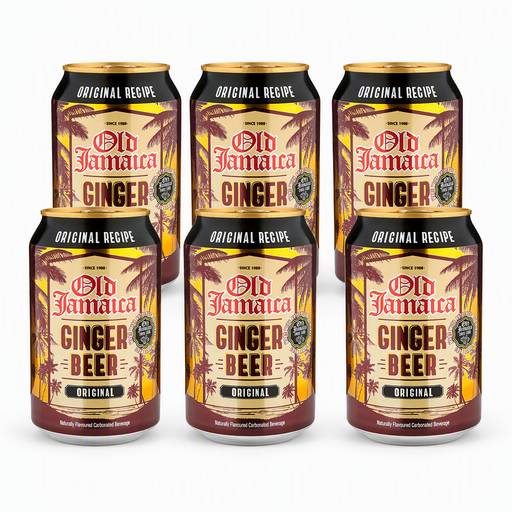
Why this suits this profile: A sensible format for trying a Caribbean recipe without filling your cupboards. The 330 ml cans chill and serve in a flash.
The six-pack format stops you buying in bulk before you've decided whether you like drinks that are both sweet and spicy.
The Old Jamaica profile – an alcohol-free recipe with no declared allergens and 61 kcal per 100 ml according to the product page.
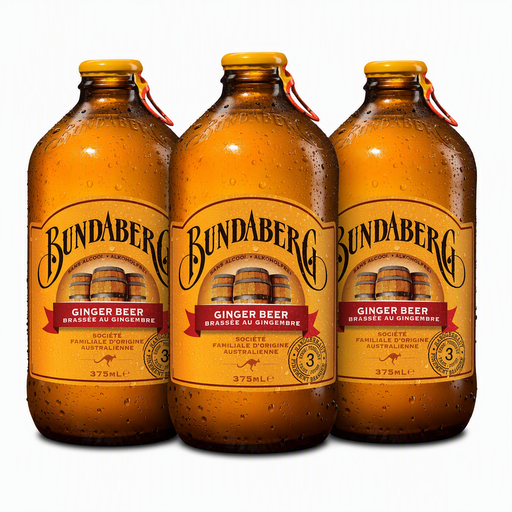
Why this suits this profile: Fans of Australian recipes will appreciate this format, which lets you discover a drink made from ginger root and sold in individual bottles.
The product page details the presence of sugar, ginger, citric acid and preservatives – so you can check the ingredients before ordering.
375 ml per bottle, 45 kcal and 10.8 g of sugar per 100 ml according to the available nutritional information.
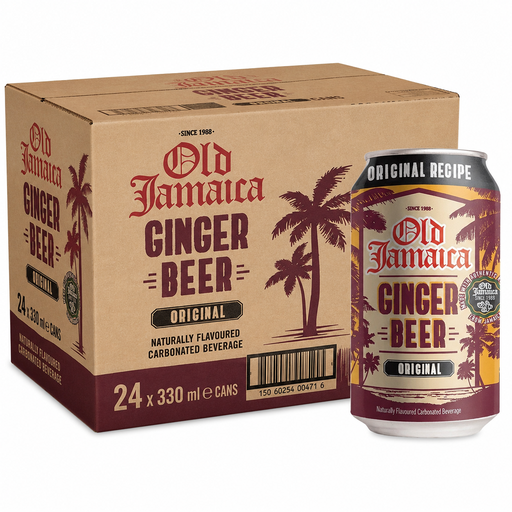
Why this suits this profile: With 7.92 litres in total, this pack is ideal for events, associations, alcohol-free cocktail bars or households that regularly serve cold drinks.
The number of cans is clearly stated – you can estimate how many servings you need without confusing the volume per unit with the total volume.
24 cans of 330 ml, an alcohol-free, caffeine-free recipe, described as suitable for vegetarians and vegans.
We've put together a comprehensive, real-time selection of products that meet these strict criteria and European safety requirements.
Served well chilled, on its own or with ice, ginger beer offers a particularly pleasant fizz. To make a ginger beer for cocktails, pair it with lime, mint, berries or spirits, depending on the recipe. It also works brilliantly in mocktails – mix it with citrus juice and a few ice cubes for an alcohol-free alternative to classic cocktails.
Once opened, pop the bottle or can in the fridge and drink it promptly, following the instructions on the packaging. The bubbles gradually fade, even when the drink is kept cool.
The products featured here are described as non-alcoholic drinks. The ginger beer sold today in cans or bottles is generally a ginger soda, not an alcoholic beer. Still, do check the product page and label of your chosen item.
Go for a well-carbonated drink and a format that suits the number of glasses you need to make. A Jamaican recipe like Old Jamaica brings a spicy, sweet note, while a lower-sugar option like Accent may pair better with fruit juice.
It depends on the manufacturer and the packaging. Keep it in the fridge and refer to the label – some product pages recommend drinking it quickly, while others suggest it will keep for a few days. To preserve the fizz as much as possible, seal the bottle tightly and don't leave it out at room temperature.