Hosts who want to count out the pieces
If you’re putting together a sharing platter, the number of units shown on the pack can help you decide how many to serve. Auchan and E.Leclerc list packs of 21 mini bites and 16 mini bars respectively.


For a charcuterie evening, choose mini bites if you want to put a set number of pieces on the platter; opt for a bar if you’d rather break off the pieces yourself. Mini size alone won’t limit how much is served: check the number of pieces, ingredients and allergens on the exact pack before you buy.
If you’re putting together a sharing platter, the number of units shown on the pack can help you decide how many to serve. Auchan and E.Leclerc list packs of 21 mini bites and 16 mini bars respectively.
When serving a group, check the ingredients and ‘may contain’ warnings on the pack you’ve chosen. Depending on the recipe, products listed by Auchan and Carrefour mention milk, nuts, peanuts, wheat or soya, among other allergens.
Nutrition values per 100 g make it easier to compare the sugar and energy content of similar products. You can also check the Nutri-Score if it appears on the packaging, but it doesn’t replace reading the ingredients.
When planning your platter, start with the number of pieces you want to serve, then check the ingredients and nutritional information for each product.
| What to consider | What to check | Who is it for? |
|---|---|---|
| Number of pieces | Check the number of units and the net weight together; don’t work out the number of bites from the pack weight alone. | If I’m putting together a platter, I want to decide how many pieces to put out without breaking up a bar. Around 40% of consumers prioritise portion counting. |
| Ingredients and allergens | Check the ingredients and ‘may contain’ warnings on the exact pack, particularly for filled or cereal-based recipes. | If a guest needs to avoid an ingredient, I need to be able to identify the recipe before putting it out for everyone to help themselves. Ingredient suitability is the top priority for around 30% of consumers. |
| Nutritional information | Compare values per 100 g across similar products, then check the size of each piece. Look at the Nutri-Score if one is displayed. | When comparing two possible purchases, I want to check the sugar and energy content on the same basis, rather than relying on a single logo. This comes first for around 30% of consumers. |
A small piece may have a filling or contain nuts, peanuts or cereals. Auchan and Carrefour list different recipes, even though both are designed for sharing.
Before putting several products on the table, read each label and keep the packaging visible if allergens are a concern for your guests.
France’s Ministry of Agriculture describes the Nutri-Score as a voluntary scheme. E.Leclerc also notes that the score shown for its P’TIT DELI mini bars is based on an earlier calculation.
If a product displays the logo, check its nutritional values per 100 g and its ingredients too. Check the packaging before comparing scores calculated using different versions of the system.
France’s Ministry of the Economy describes this levy as applying to sugary drinks, not solid chocolate.
To compare the sugar content of different chocolates, use the figures per 100 g in their nutritional information.
Auchan lists 21 mini bites weighing 197 g, while E.Leclerc lists 16 mini bars weighing 200 g. Similar pack weights don’t necessarily mean the same number of pieces or the same type of confectionery.
Check the weight, number of units and recipe before deciding which pack is right for serving.
The Mini Bouchées milk chocolate product listed by Auchan is well suited to serving by the piece.
Lindt France offers several milk chocolate formats, including individually wrapped squares and a mini cone.
The crunchy milk chocolate bites with peanuts and cereals offer a different texture from a plain chocolate bite.
The product listed by E.Leclerc is a mini milk-filled chocolate bar rather than a plain chocolate bite.
The KitKat product listed by Carrefour is a bag of mini milk chocolate wafer bars.
These milk chocolate confectionery products come as bars, sweets in tubes or a sharing bag. Their shape and recipes differ from a bar of chocolate that you break into pieces.
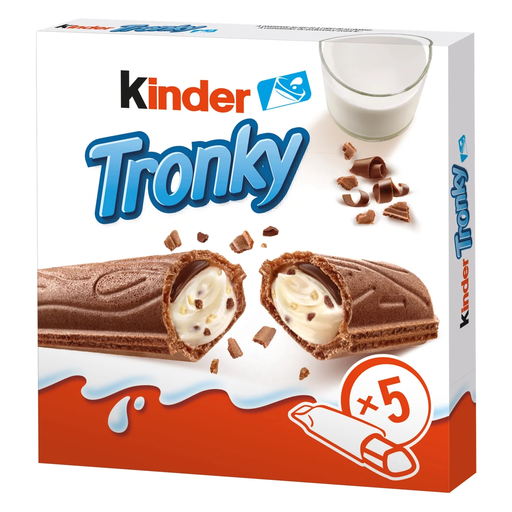 Image unavailable
Worth considering if you’d rather serve individual bars than break up a bar of chocolate. These are filled and coated wafers, not plain milk chocolate bites. If relevant to your guests, check the pack for milk, gluten, soya and hazelnuts.
 Image unavailable
The six tubes can be shared between several people, but the format alone doesn’t tell you how many sweets to serve. These pieces have a sugary shell; check the pack for the number of sweets, nutritional values and allergen warnings, particularly for milk and gluten.
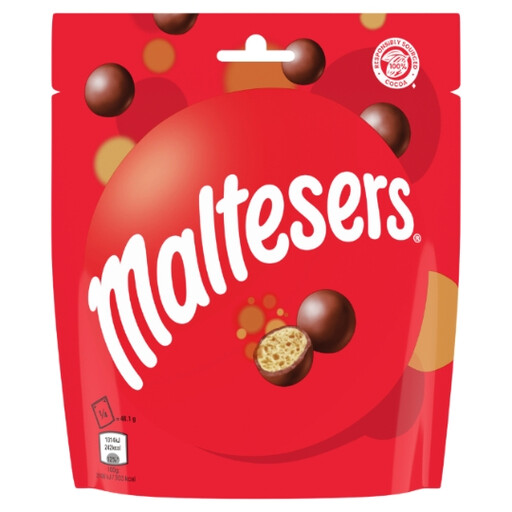 Image unavailable
The bag is a good choice if you’d like to serve sharing sweets without necessarily counting out the pieces in advance. The honeycomb centre sets them apart from plain milk chocolate. Check the net weight on the pack before comparing sizes, and look out for warnings about milk, wheat and barley malt, among other ingredients.
No. They make it easier to count portions if the pack states how many pieces it contains and you decide how many to put on the platter. They don’t limit how much people eat by themselves.
Read the ingredients list and ‘may contain’ warnings on each exact pack. The products listed by Auchan, Carrefour and Lindt show how allergens vary between bites; don’t assume one product has the same ingredients as another from the same brand.
No. France’s Ministry of Agriculture describes the Nutri-Score as a voluntary scheme for businesses. If it’s displayed, check it alongside the ingredients and nutritional values for that specific product.
No. The levy described by France’s Ministry of the Economy applies to sugary drinks, not solid chocolate. To compare the sugar content of two chocolates, check their values per 100 g instead.