Parents preparing a snack to take with them
A small, individually wrapped portion saves you having to break up a large bar while packing a bag. Still, check its weight, ingredients and allergens before choosing it.


For a snack to take with you, a mini bar or small individually wrapped bar makes it easy to see what you’re giving your child. A standard bar can work too, as long as an adult prepares the pieces in advance and puts the rest away. Either way, a smaller format doesn’t tell you what’s in the recipe: compare the sugars per 100 g and per serving, then check the allergens.
A small, individually wrapped portion saves you having to break up a large bar while packing a bag. Still, check its weight, ingredients and allergens before choosing it.
An individual format makes the serving size clear. With a standard bar, you can also set aside the pieces for snack time and put the rest away.
Compare sugars for the same quantity, and check the ingredients and allergen information for the exact product. The Nutri-Score can also help if it’s shown on the packaging.
First choose between a portion that’s ready to serve and a bar you can divide up, then compare the labels of the products you’re considering.
Consider this: if you’re preparing a snack to take with you and want portions that are already separated.
Bear in mind: check the number of portions and their weight. The format alone tells you nothing about sugars or allergens.
Consider this: if you’d rather give your child a whole bar than prepare pieces at home.
Bear in mind: small bars don’t all weigh the same, and their recipes can differ.
Consider this: if an adult can prepare the pieces before snack time.
Bear in mind: you’ll need to decide how much to serve and put the rest away. A standard bar isn’t an individual portion that’s ready to take with you.
| What to consider | What to check | Who is it for? |
|---|---|---|
| Clearly defined portion | The weight of each portion and, for a bag, the number of pieces; for a standard bar, the weight of the pieces you serve. | When I’m preparing a snack for my child to eat away from home, I want to know how much I’m giving them without having to break up a bar there and then. Around 38% of consumers put a clearly defined portion first. |
| Ingredients and allergens | The ingredients list and allergen statements, including “may contain”, for the exact product. | If there’s an ingredient my household needs to avoid, the size of the chocolate isn’t enough to guide my choice. Around 31% of consumers prioritise checking the recipe and allergens. |
| Nutritional information | Sugars per 100 g, then the amount in the portion served; check the Nutri-Score only if it’s shown. | When choosing between small chocolate treats, I want to compare sugars without confusing pack size with ingredients. Around 31% of consumers say this is their main consideration. |
A small portion tells you how much product there is, not how much sugar it contains. Two recipes can differ even if their packaging looks similar.
Check sugars per 100 g, then work out how much that means for the portion you’ll actually serve.
According to Santé publique France, displaying the Nutri-Score is voluntary. If it appears on the packaging, it can help you compare products in the same category, but it doesn’t replace checking the ingredients.
Also check the nutritional information and allergens for the bar you’ve chosen.
Recipes can vary from one product to another. Carrefour France’s product information for MILKA Mini Bars lists milk and soya, and also states that the product may contain wheat and nuts.
Check the ingredients and allergen statements on the packaging of the exact product you buy.
If you’re looking for portions from a bag, Carrefour France lists MILKA Mini Bars as 8 bars weighing 200 g in total.
Lindt France offers a 35 g Excellence Dark 70% mini bar as an individually wrapped bar rather than a multi-portion bag.
E.Leclerc offers, among other products, 100 g milk chocolate bars, sold individually or in multipacks. They’re an option if you’d rather prepare portions at home than choose a mini bar.
These products are small chocolate treats that may suit snack time, but they’re mini bars or confectionery, not sharing chocolate bars. Check the weight of each portion before deciding how much to serve.
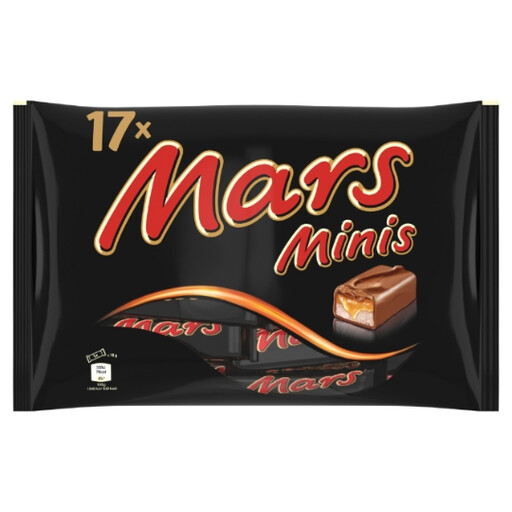 Image unavailable
This bag of mini bars can provide portions for several snacks. It weighs 333 g in total, so check the weight of each bar and the allergens on the packaging before deciding how much to serve.
 Image unavailable
The 9 pieces make it easy to choose how many to give your child for a snack. The pack weighs 104,4 g; check the sugars and allergens on the packaging for this product before comparing recipes.
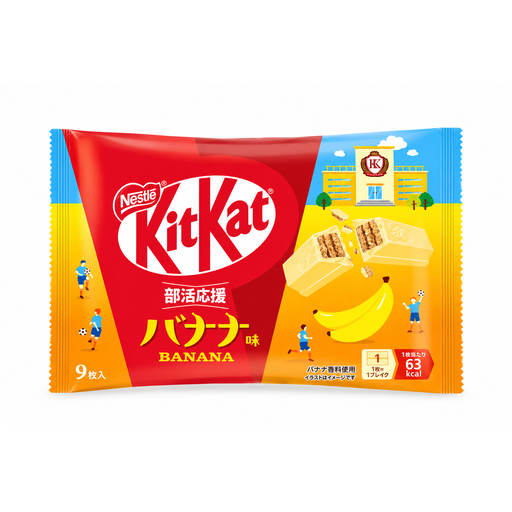 Image unavailable
This 104,4 g chocolate treat is worth considering if you want to prepare small portions. Check the number and weight of the pieces, along with the allergens on the packaging, to work out how much you’ll serve.
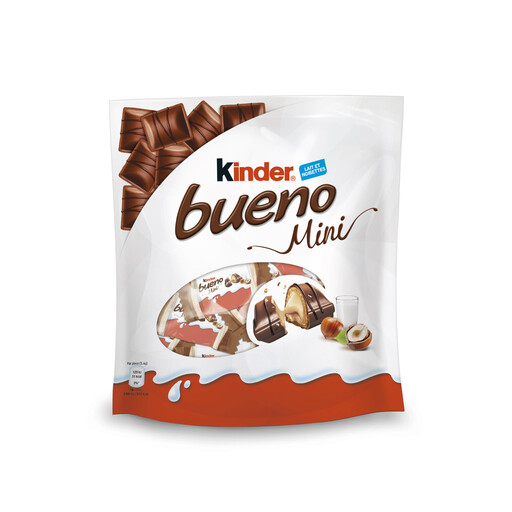 Image unavailable
This mini filled confectionery is another option for serving individually wrapped pieces, rather than a chocolate bar. The bag weighs 108 g; check the number and weight of the pieces, as well as the ingredients list, before choosing a portion.
No. The levy on sugary drinks described by the French Ministry of the Economy applies to drinks, not chocolate bars. To compare chocolates, check the sugars listed in their nutritional information.
No. According to Santé publique France, manufacturers display the Nutri-Score voluntarily. If it appears on the packaging, use it to compare products in the same category, while also checking their ingredients and nutritional information.
No: its small size doesn’t determine how much sugar the recipe contains. Compare sugars per 100 g across similar products, then take account of the weight you’ll actually serve.
Check the ingredients and any “may contain” statements on the packaging of the exact product. For example, Carrefour France lists milk and soya in MILKA Mini Bars, with a possible presence of wheat and nuts. Don’t assume the allergen information for one chocolate applies to another.