Anyone who wants to serve without any prep
Ready-separated bites or balls mean you won’t have to break up several bars before your guests arrive. Still, check the pack weight to make sure you have the amount you need.


To serve chocolates straight from the table, choose bites, balls or clusters that are already separate. Bars are a good option if you can break them up and serve them in bowls. Either way, compare the net weight, check the allergens for each recipe and use the nutritional information per 100 g to compare sugar content.
Ready-separated bites or balls mean you won’t have to break up several bars before your guests arrive. Still, check the pack weight to make sure you have the amount you need.
Check the ingredients list and any ‘may contain’ warnings for every recipe you choose. Keeping the packaging near the chocolates makes it easier to identify what you’re serving.
The ‘sugars’ line in the nutritional information per 100 g lets you compare recipes even when the pack sizes differ. If it appears on the packaging, the Nutri-Score can also help you assess the product.
For a birthday get-together, first decide whether you want chocolates that are ready to serve or bars you can prepare. Whichever format you choose, check the recipe and quantity.
| What to consider | What to check | Who it matters to |
|---|---|---|
| Serving | Chocolate shape and net weight; have bowls ready if you choose bars. | If you want to put chocolates on the table without breaking up bars, ready-separated pieces can be a good choice. Around 31% of consumers put ease of serving first. |
| Allergens | Ingredients and ‘may contain’ warnings on the exact pack; serve different recipes separately. | If a guest needs to avoid an ingredient, being able to identify each chocolate is a priority. This is the main consideration for around 25% of consumers. |
| Sugars | The ‘sugars’ line per 100 g and the ingredients; check the Nutri-Score only if it is shown. | If you’re choosing between several recipes, comparing their sugar content on the same basis can help you decide. Around 19% of consumers prioritise this nutritional comparison. |
| Quantity | The net weight of each pack and the total amount you want on the table. | If you’re filling a table for a group, ‘for sharing’ doesn’t tell you how much you’re getting. Total weight comes first for around 25% of consumers. |
For example, Carrefour lists Lindt balls in a 140 g bag and Milka bites in a 320 g bag. So ‘for sharing’ doesn’t mean a standard pack size.
Decide how much you want to put on the table, then add up the net weights of the packs you’re considering.
A hazelnut variety and a dark chocolate bar may not meet the same dietary requirements. Mixing recipes in one bowl also makes them harder to identify.
Check the ingredients and any traces warnings on each pack, then serve different recipes separately.
The French Ministry of the Economy says that this logo is optional. If it’s not shown, you can’t use that to work out the sugar content of a chocolate.
Compare the ‘sugars’ line in the nutritional information per 100 g. If the logo is present, use it as an additional guide.
These examples show a range of formats, from bags of balls to bars you can break up. Any weight or recipe mentioned applies to the specific product, not the whole brand.
Carrefour lists Mini Délices Oreo and cocoa bites in a 320 g bag.
Carrefour lists Sensation Crispy milk chocolate balls in a 140 g bag.
A Nestlé dessert chocolate product listed by Carrefour weighs 250 g.
Carrefour lists milk chocolate and hazelnut clusters in a 158 g bag, as well as an organic dark chocolate bar labelled as containing at least 70% cocoa.
Carrefour Classic’ milk chocolate and hazelnut balls come in a 200 g bag.
E.Leclerc lists products including chocolate-coated peanut balls in a 300 g pack and clusters in a 245 g pack.
This selection includes balls in a bag, clusters in a box, individually wrapped bars and tubes of chocolate sweets. The bars and tubes are easy to hand out as individual portions, but they’re not a like-for-like substitute for a bag of bites served for everyone to help themselves.
 Image unavailable
These balls are a good choice if you want to pour chocolates into a bowl rather than break up a bar.
A 192.5 g bag with a honeycomb centre. Check the allergens on the pack if any of your guests need to avoid certain ingredients.
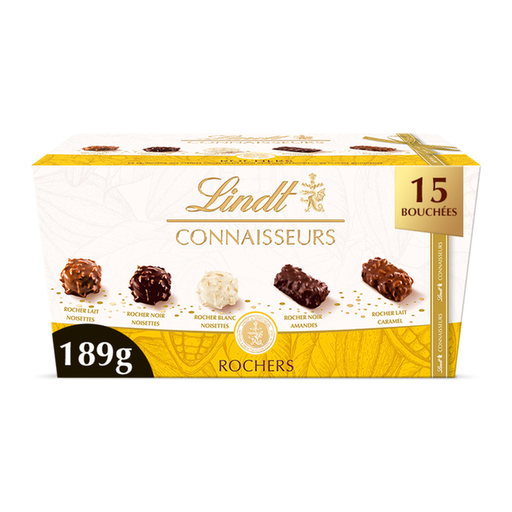 Image unavailable
These ready-made clusters mean there’s no need to prepare squares of chocolate bar for serving.
An assorted selection in a 189 g box. Keep the packaging handy so you can identify the different recipes.
 Image unavailable
These bars are easy to hand out individually, unlike a bag of small bites that you pour into a bowl.
The pack contains 11 bars and weighs 231 g in total. Consider whether this number of portions works for the way you’re serving them.
 Image unavailable
The tubes are a good choice if you’d rather hand out the chocolate sweets in separate containers.
Six 34 g tubes weigh 204 g in total. If you’re comparing sugar content with another chocolate, check the relevant line on the packaging.
No. The levy set out in Article 1613 ter of the French General Tax Code does not apply to solid chocolate bars and bites. According to Légifrance, the article covers drinks and liquid preparations for drinks. This distinction says nothing about the sugar content of chocolate.
No. The Nutri-Score is optional in France, as the French Ministry of the Economy explains. To compare two pre-packed products that are subject to nutrition labelling, compare their nutritional values on the same per-100 g basis.
Compare the ‘sugars’ line per 100 g, then think about how much you want to serve. The bag weight or number of pieces is no substitute for comparing the recipes this way.
No. The colour of the chocolate doesn’t tell you which allergens it contains or whether traces may be present. Check the details on the exact pack and, if someone has an allergy, follow the precautions they ask you to take.
Serve each recipe in a separate container and keep the packaging nearby until the end of the get-together. That way, guests can check the ingredients and allergen information for any chocolate they’re thinking of trying.