What should you look for in store?
For your coffee break, start by deciding how much you’d like to serve. Then compare products using the same nutritional basis and check the recipe of the one you’re planning to buy.
| Criterion |
What to check |
Who is this for? |
| Portion |
The number and size of the pieces, plus any suggested portion shown on the pack; check whether the pieces are individually wrapped or loose in a bag. |
I want to prepare my break without eating straight from the pack, so being able to set aside a specific amount is my priority. Around 46% of consumers would put this need at the heart of their choice. |
| Nutritional values |
Energy, sugars, fat and saturated fatty acids per 100 g, followed by the amount you plan to eat. |
Before choosing between several recipes, I need to compare their labels on the same basis. This would be the main consideration for around 36% of consumers. |
| Ingredients and allergens |
The ingredients list, highlighted allergens and any ‘may contain’ statements on the pack you buy. |
A filled bite or wafer bar may contain ingredients I need to avoid, so the exact recipe matters more than the format. For around 18% of consumers, this would be the main criterion. |
Brands to compare
These examples show specific formats and recipes, not the characteristics of every product from each brand. Always check the packaging of the product you choose.
Milka
Carrefour lists Milka Mini Bars in a pack of 8 bars weighing 200 g.
- The bars let you decide how many to set aside.
- A mini format doesn’t mean you can skip checking the ingredients or how much you eat.
Lindt
Carrefour’s listing for Lindt Lindor milk chocolate describes a 200 g box of bites.
- Worth considering if you’re looking for a bite with a smooth, melting centre rather than a mini bar.
- To plan your break, decide for yourself how many bites to have.
Côte d’Or
Auchan describes its Mini Bouchées milk chocolates as a 158 g pack containing around 17 pieces.
- The format lets you serve the number of bites you choose.
- The pieces aren’t individually wrapped; also check the ingredients in this filled recipe.
Nestlé / KITKAT
Carrefour gives a suggested portion of two KITKAT Mini bars for the product listed.
- This gives you a guide for counting out mini pieces before your break.
- A mini wafer bar has a different recipe from plain milk chocolate, so check the pack.
Carrefour Extra
The product listed combines milk chocolate, peanuts and cereals in crunchy bites.
- Worth comparing if crunchy inclusions are important to you.
- Carrefour’s listing mentions peanuts and possible traces of nuts and eggs.
P’TIT DELI / Marque Repère E.Leclerc
E.Leclerc lists a box of 16 milk-filled chocolate mini bars weighing 200 g.
- The number of bars helps you plan how many to serve.
- Take the filling and the portion you choose into account when comparing this product with other formats.
Products for your coffee break
These Joybuy products include small sweets, crunchy bites and milk chocolate bars. The 42 g Lion bar isn’t described as a mini format, so compare its size with the amount you want before choosing.
 Image unavailable
SMARTIES milk chocolate Hexatube, 6 × 34 g
The six separate tubes can help you set aside an amount before your break, but you’ll still need to decide how many sweets to eat. The recipe combines milk chocolate with a sugar coating; it contains milk and gluten. If you’re comparing sugars with another product, check the nutritional values on the pack.
View on Joybuy
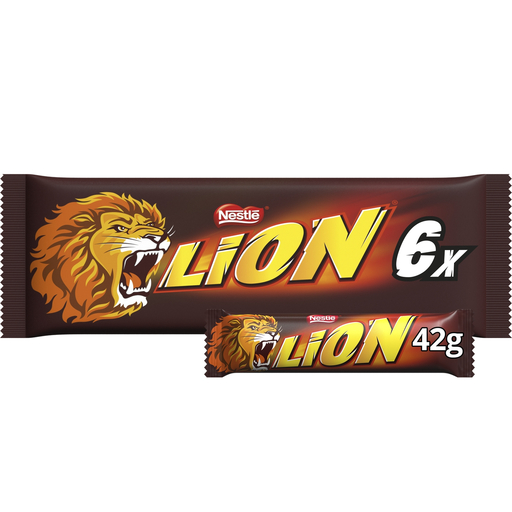 Image unavailable
Lion, 6 milk chocolate bars, 42 g
A separately wrapped bar can be a useful guide if you’d like to take one for your break, but 42 g may be more than the small portion you’re looking for. The recipe includes crunchy wheat pieces and caramel; the information provided lists 53,4 g of sugars per 100 g. It contains milk and wheat (gluten), and may contain peanuts, nuts and soya.
View on Joybuy
 Image unavailable
MALTESERS, bag of milk chocolate bites
If you’re looking for bites with a crunchy malt centre, serve the number you want before starting your break. The information provided lists 53 g of sugars per 100 g and mentions milk, soya and wheat, among other ingredients. Check the net weight and serving information on the pack before comparing formats.
View on Joybuy
Frequently asked questions
Is solid milk chocolate subject to the soft drinks tax in France?
No. Article 1613 ter of the French General Tax Code, published by Légifrance, applies to non-alcoholic drinks, not solid milk chocolate. To choose between two chocolates, compare their sugars per 100 g and the amounts you plan to eat.
Is Nutri-Score compulsory on mini milk chocolates?
No. According to Santé publique France, displaying it is voluntary. The DGCCRF distinguishes this logo from the nutrition declaration required for the relevant prepacked foods, which shows values per 100 g or 100 ml.
How do you compare two mini formats if they’re different sizes?
First compare the nutritional values per 100 g, then check how many pieces there are and how much you think you’ll serve. A suggested portion shown on the pack can help you count the pieces, but you’ll still need to decide how much you want for your break.
Which allergens should you check in a bite or mini bar?
Read the highlighted allergens and any ‘may contain’ statements on the exact pack. Depending on the recipe, the products listed by Auchan and Carrefour mention milk, soya, wheat, peanuts or nuts, among other ingredients. The words ‘milk chocolate’ alone don’t tell you everything that’s in a filling or an inclusion.


