
Livraison le jour même ou le lendemain

Qualité garantie

Débloquez vos offres de bienvenue: Livraison GRATUITE | Jusqu'à -80 % | 30 jours d'essai gratuits à JoyPlus
Téléchargez l'application
Microfibre cleaning cloths have earned their place in most British homes. But not all are suited to the same surfaces or the same tasks. A poorly chosen size, fibres that are too thin, or improper care can quickly reduce their effectiveness.
Before placing an order, it's worth sorting through the marketing claims to focus on what really matters: dimensions, composition, density, number of pieces and washing instructions.
A multi-purpose microfibre cloth can be used for dusting, cleaning furniture, the kitchen or certain glass surfaces. That doesn't mean it will perform well everywhere. A thin cloth may lack the absorbency needed for a spill, while a very thick one can leave more moisture on a window.
To avoid mixing them up, keep separate cloths for the kitchen, bathroom, toilet, windows and car.
A pack of ten cloths might look like a great deal, but it's worth checking the size. Squares of 22.5 × 22.5 cm are easy to handle in tight spaces, while 40 × 40 cm pieces cover more surface area and are better suited to the car or large tables.
The best value for money therefore depends on how many cloths you actually use each week and how often you can wash them.
Fabric softener can coat the fibres and reduce their ability to trap dust or moisture. Bleach and temperatures higher than those recommended on the label can also speed up wear or alter the colours.
A reusable microfibre cloth should be washed according to the manufacturer's instructions, without fabric softener, then air-dried or tumble-dried on a low heat setting if permitted.
For a microfibre mop pad, check separately that it is compatible with your mop handle or robot vacuum. A similar size does not guarantee a secure fit.
Microfibre is typically made from polyester and polyamide. Polyester contributes to the fabric's durability, while polyamide boosts absorbency and softness. The XL Perform Tools cloths, for example, have a composition of 80% polyester and 20% polyamide, with a stated density of 300 g/m².
Density isn't everything, though. Reinforced edges can help prevent fraying, while a finer weave is sometimes better for shiny surfaces. On a screen or window, always check that the cloth is clean and free of any abrasive particles.
Many cloths can be used dry for dusting or slightly damp for everyday grime. Cleaning without product may work on some low-grease surfaces, but it doesn't always replace a proper cleaning routine for each room.
For windows, a microfibre window cloth that is low-lint and slightly damp can help reduce streaks. In the kitchen, a microfibre kitchen cloth that is washed frequently should be reserved for food-contact surfaces and kept separate from cloths used in the bathroom.
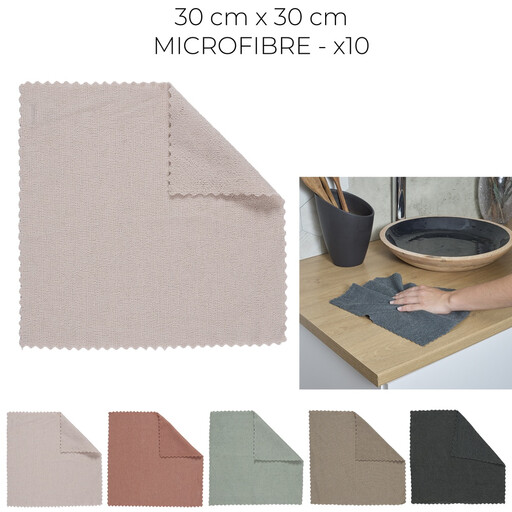
Why this suits this profile: With ten pieces of 30 × 30 cm, this pack lets you spread the use across the main rooms in the house without buying multiple sets.
Its standard size stops you ending up with squares that are too small for everyday surfaces. The reinforced edges are designed to limit fraying after repeated washes.
Pack of 10 pieces, use dry or slightly damp, size suitable for everyday household tasks.
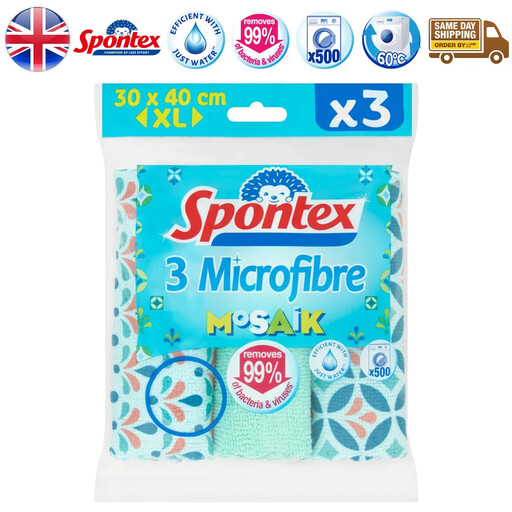
Why this suits this profile: This pack focuses on reusability with clearly documented care instructions, ideal for those looking to reduce disposable consumables.
The product page states up to 500 washes, provided you follow the instructions: wash at up to 60 °C, no fabric softener and no tumble drying.
Size 30 × 40 cm, use dry or damp, stated composition of 85% polyester and 15% polyamide.
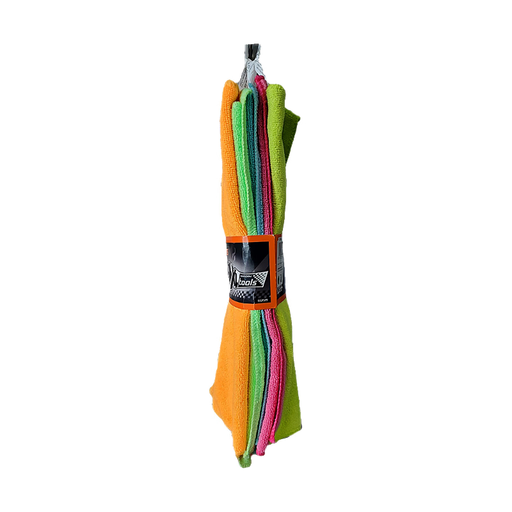
Why this suits this profile: The large size suits car owners who switch between interior care, bodywork and household cleaning.
The composition and density are clearly stated: 80% polyester, 20% polyamide and 300 g/m². Useful data for comparing this pack with less detailed options.
5 pieces of 40 × 40 cm, machine washable according to instructions, designed for car and household cleaning.
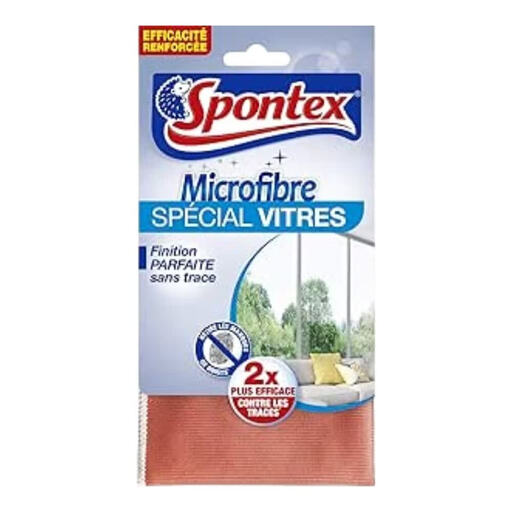
Why this suits this profile: This 35 × 35 cm model is designed for windows, mirrors and glass surfaces, with the aim of reducing visible marks.
The product page recommends using it with water, no detergent, then letting it air dry or wiping with a dry section of the cloth.
Size 35 × 35 cm, stated recycled microfibre, machine washable at 60 °C according to the product page.
Yes. For some everyday tasks, water is enough, particularly for dusting, certain windows and light soiling. The result depends on the surface, how clean the cloth is and the nature of the stain. For heavy grease or where regulated disinfection is required, follow the appropriate recommendations.
Its lifespan depends on the quality of the weave, how often it is used and the washing conditions. Some products claim up to 500 washes, but this performance depends on following the manufacturer's instructions. Reduced absorbency, lingering odours or damaged edges are signs that it is probably time to replace it.
A microfibre car cloth of 40 × 40 cm offers a practical surface area for larger areas. For screens, dials, handles and centre consoles, a 22.5 × 22.5 cm size gives you more precision. Always use a clean cloth to avoid moving grit that could scratch the finish.