
Livraison le jour même ou le lendemain

Qualité garantie

Débloquez vos offres de bienvenue: Livraison GRATUITE | Jusqu'à -80 % | 30 jours d'essai gratuits à JoyPlus
Téléchargez l'application
Getting into meal prep, or preparing meals in advance, has it all: it saves time, helps you control your diet, and leads to real savings. However, initial enthusiasm can quickly fade due to unsuitable equipment. To prevent this good resolution from turning into a headache and kitchen chaos, it's best to know the most common pitfalls before you invest.
The disappointments are often the same, directly linked to marketing promises that are a little too good to be true. Here are the top 3 most frequent frustrations:
Identifying these warning signs is the first step toward a smart and durable investment.
To get the right gear, you just need to focus on a few technical details that make all the difference in your daily routine. Good kitchen organization starts with the right equipment.
The choice of material is arguably the most important factor for the durability and safety of your meal prep containers.
A leak-proof seal is a non-negotiable criterion. The most reliable systems are typically those with four sturdy locking clips on the sides. These clips should apply uniform pressure on a removable silicone seal. The fact that the seal is removable is crucial: it allows for deep cleaning to prevent mold, a common problem with low-end models where the seal is glued or poorly integrated. Quality airtight food containers guarantee stress-free transport.
Batch cooking involves cooking in large volumes. Your containers, therefore, must be all-rounders. Always check their compatibility with:
This versatility is key to ensuring your containers fit seamlessly into your routine, from preparation to cleanup.
Because every user is unique, here is our selection of products tailored to specific needs. Find the one that's right for you.
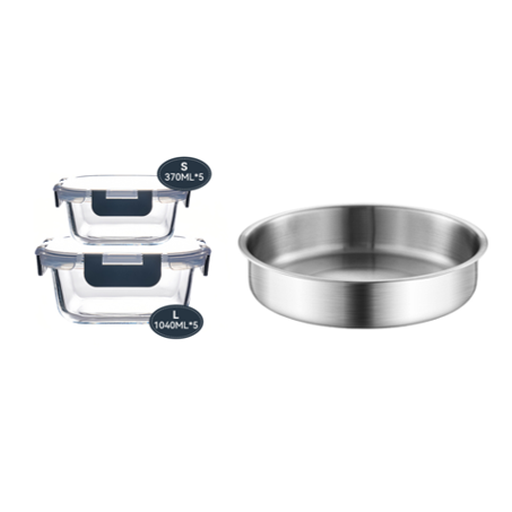
Why it's a great choice: This kit is perfect for getting started without breaking the bank. It combines glass containers in two very practical sizes (1040 ml for main courses, 370 ml for sides or snacks), covering daily essentials, whether for lunch at the office or a post-workout meal.
The borosilicate glass eliminates the risk of stubborn stains and odors. The robust clip-lock system ensures a tight seal, and the kit offers genuinely useful sizes, far from gimmicky, unusable formats.
A complete and versatile pack (glass + stainless steel plate) to start on the right foot with healthy and durable equipment.
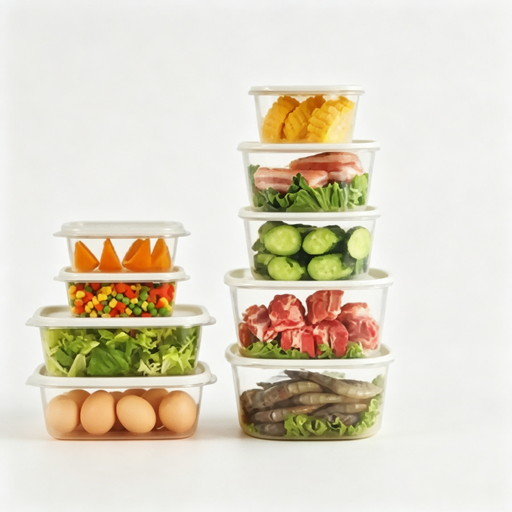
Why it's a great choice: When you're prepping meals for the whole family for the week, you need volume and variety. This 9-piece set offers the flexibility needed to store full meals, soups, sides, and sauces separately.
Its leak-proof system checks the crucial box for being airtight. The variety of sizes ensures that every container will be useful, unlike poorly designed kits.
A generous set for flawless organization and large storage capacity, compatible with both freezer and microwave.
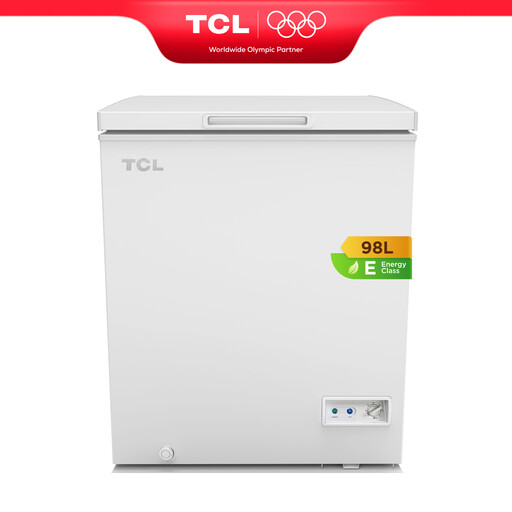
Why it's a great choice: For batch cooking pros, the bottleneck is often the freezer. Investing in a dedicated chest freezer allows you to store weeks of meals, optimize bulk purchases, and take your organization to the next level.
It tackles the number one problem of large-scale meal prep: lack of space. It makes buying container sets more cost-effective and opens the door to very long-term planning.
Its storage basket and self-balancing lid are details that greatly facilitate access and organization of your meals.
Once your meals are prepped, organizing your freezer is the next step to avoid waste. Discover our selection of accessories for a perfectly tidy freezer.
For heavy use, the answer is yes. Borosilicate glass doesn't scratch, stain, or retain any odors, which ensures better hygiene and a longer lifespan. It goes from the freezer to the oven or microwave without any issues. Quality plastic remains an excellent alternative for those who prioritize light weight for daily transport.
Check three things: the quality of the silicone seal (it should be thick and flexible), the locking system (prefer models with 4 clips for more security), and how you fill it. Never fill to the brim, especially with liquids, to leave a safety margin. Finally, transport your container flat whenever possible.
Absolutely, that's one of the great advantages of borosilicate glass. There's just one golden rule to avoid thermal shock: always let your dish cool completely to room temperature before putting it in the freezer. Conversely, to defrost, it's best to leave the container in the refrigerator for a few hours before reheating it in the microwave. And most importantly, never pour boiling liquid into a glass dish straight from the freezer.