
Livraison le jour même ou le lendemain

Qualité garantie

Débloquez vos offres de bienvenue: Livraison GRATUITE | Jusqu'à -80 % | 30 jours d'essai gratuits à JoyPlus
Téléchargez l'application
Freezing food is the ultimate anti-waste solution. It's perfect for prepping your meals for the week or storing great deals from the market. But for the magic to happen, you need the right equipment. Faced with a jungle of freezer boxes and bags, it's easy to get lost. Between plastics that crack, lids that leak, and seemingly good ideas that fail, it's all too easy to make a mistake and spoil your food. Our mission? To guide you through the options and help you choose the gear that will truly preserve your food.
To make a smart purchase, let's start by avoiding the most common pitfalls:
To avoid these issues, a few technical points should be carefully checked. Good food preservation in the freezer starts with a smart choice.
The choice of material for your freezer-safe container is absolutely crucial. Each option has its strengths:
A perfectly airtight seal is non-negotiable. It protects against oxidation, freezer burn, and odour transfer between your fish and your vanilla ice cream. Four-sided locking systems with a silicone gasket are generally the most reliable.
Freezer organisation is also a key factor. Stackable, square, or rectangular containers reign supreme for optimising space. For more specific needs, a reusable freezer bag is a clever solution for oddly shaped foods or for maximising storage.
Your habits will dictate the container size. For weekly meal prep, freezer containers from 600?ml to 1?L are ideal. To store leftovers from Sunday dinner or vegetables from the garden, aim for containers over 2?L. If your freezer is constantly crying out for more space, investing in a chest freezer could be the best investment of the year.
To help you move from theory to practice, here are a few products that meet specific needs, in line with the demanding selection criteria we've just covered.
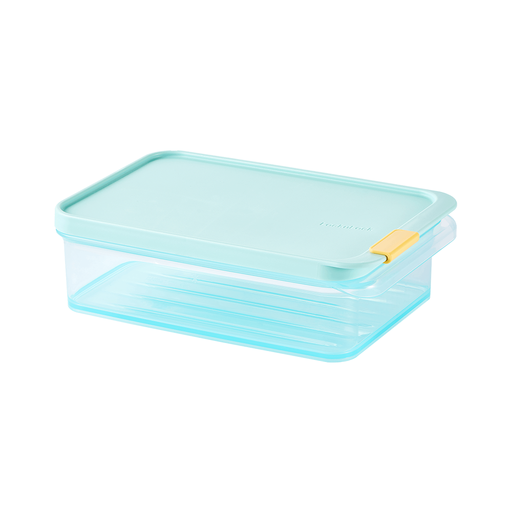
Why it's the right choice: Perfect for batch cooking fans. Its modular design and cleverly recessed lid ensure ultra-stable stacking to optimise every corner of the freezer. The transparent body lets you spot your lasagne in the blink of an eye.
Its polypropylene plastic is designed for deep-freeze temperatures: it won't crack. The renowned LocknLock clip system guarantees a foolproof seal, taking freezer burn out of the equation.
Perfect modular stacking for neat organisation. BPA-free material, designed not to crack.
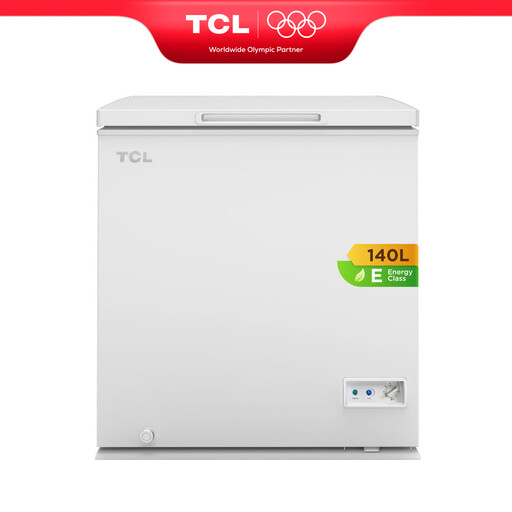
Why it's the right choice: Essential for large families or pros at buying in bulk. This 140 L chest freezer offers XXL storage space, finally freeing up your main freezer. The included basket is perfect for keeping smaller items within easy reach.
It tackles the root of the problem: the lack of space that leads to overloading the fridge's freezer, which impairs cold air circulation and, therefore, preservation.
Generous 140 L capacity. Counterbalanced lid that stays open on its own. Front drain for effortless defrosting.
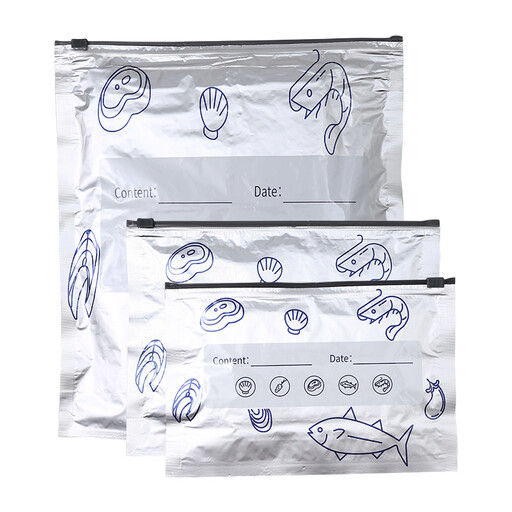
Why it's the right choice: For those who juggle different shapes and sizes. These reusable bags conform to the shape of foods (meat, fish, vegetables) and fit anywhere, much better than rigid boxes. The set of 3 sizes covers all everyday needs.
The slider closure is a true guarantee of airtightness, while the aluminium foil film blocks light and air—preservation's two worst enemies.
Reusable and washable. Write-on area to note contents and date. Stand-up design for easy filling and storage.
We have curated a complete selection of products that meet our strict selection criteria and current safety standards.
A borosilicate glass container has the huge advantage of being able to go directly into the microwave or oven (after thawing), which stainless steel cannot. On the other hand, a stainless steel freezer container is lighter and virtually unbreakable, a plus for transport and durability. In either case, you're choosing a healthy material that retains neither odours nor stains.
Freezer burn is the result of food coming into contact with air. The solution? Squeeze as much air as possible out of the container before sealing it. Use freezer containers or bags with a 100% airtight seal. A pro tip: for meat or fish, wrap them in cling film first before placing them in their container or bag.
Absolutely not. It is crucial to check that the container is labelled "freezer-safe" or has the snowflake symbol. Plastics not designed for this purpose (like some supermarket trays) become brittle in the cold and can crack, exposing your food to air and bacteria. Opt for quality plastics like polypropylene (PP), preferably BPA-free.