People keeping an eye on salt at dinner
You want to keep pasta on the menu while watching the salt content of the whole dish. The value on the packet is a starting point; the cooking water, sauce and toppings also need your attention.


To prepare a pasta dinner with less salt, compare the ‘salt’ value per 100 g for pasta of the same type, then give the sauce and toppings the same attention. Wholemeal pasta is a different selection criterion: the name does not guarantee a lower salt content, and the salt added to the cooking water also counts towards the meal.
You want to keep pasta on the menu while watching the salt content of the whole dish. The value on the packet is a starting point; the cooking water, sauce and toppings also need your attention.
You’re looking for a tasty sauce without relying solely on added salt. France’s Manger Bouger campaign suggests using herbs, flavourings and spices to season dishes.
You want to choose pasta made from whole grains for dinner. Check this in the ingredients list; the salt content is shown separately in the nutrition information.
For a comforting dinner with less salt, start with the value shown for the pasta, then look at what you add to the pan and to your plate. France’s Directorate-General for Competition Policy, Consumer Affairs and Fraud Control points out that nutrition information per 100 g makes it easier to compare products.
| Consideration | What to check | Who it’s for |
|---|---|---|
| Salt in the meal | Compare the ‘salt’ value per 100 g for pasta of the same type; also check the sauce and toppings. | If I want to reduce the salt in my dinner, the ingredients in the whole dish matter more to me than the pasta alone. Around 50% of consumers put managing salt intake first. |
| Flavour and seasoning | Choose a shape that suits the sauce you’re planning; use less salt in the cooking water and adjust the seasoning with herbs and flavourings. | To keep enjoying homemade pasta dishes, I prefer to work on the sauce and seasoning rather than adding more salt straight away. This is a priority for around 30% of consumers. |
| Type of pasta | Read the ingredients list to identify the grain used, then check the salt per 100 g separately. | If I choose wholemeal pasta or another type, I want that choice to fit with my efforts to watch my salt intake. Around 20% of consumers make this their main criterion. |
The value on the packet doesn’t tell you how much salt will be in your dinner once you’ve added sauce, cheese or other toppings. France’s Manger Bouger campaign also advises against adding too much salt to the cooking water.
Compare the pasta before you buy, then check the other ingredients in your dish separately.
Barilla’s classic Penne Rigate contain 0.013 g of salt per 100 g, while Lustucru Sélection’s fresh cheese ravioli contain 0.906 g per 100 g. These figures apply to two specific recipes in different categories.
Compare products of the same type first. If you choose filled pasta, check its own ingredients list and salt value.
An overall nutrition rating is no substitute for the ‘salt’ value per 100 g.
To compare two products, check their nutrition information directly and take the full recipe into account.
France’s Agency for Food, Environmental and Occupational Health & Safety (Anses) warns that potassium-based salt substitutes may pose risks for some people.
Try herbs and flavourings first. If you’re following a prescribed diet or taking medication, seek appropriate medical or pharmaceutical advice before using a substitute.
A brand may offer several pasta recipes. When choosing based on salt content, check the specific product rather than relying on the name on the packet.
The range includes classic and wholemeal pasta. Classic Penne Rigate are one example of plain dried pasta whose ingredients and salt content can be checked together.
The brand offers pasta in different shapes, as well as a Les Protéinées range, which may be worth considering if ingredients are important to you.
The brand’s dried pasta and ravioli suit different meal preferences, so check their recipes separately.
The Classic' and Extra products let you choose between, among other options, a classic recipe and one made with wholemeal wheat.
This dried pasta gives you the freedom to put together a dinner with the sauce of your choice. The shapes and pack sizes vary; to compare salt content, check the nutrition information on the packet for the specific product you buy.
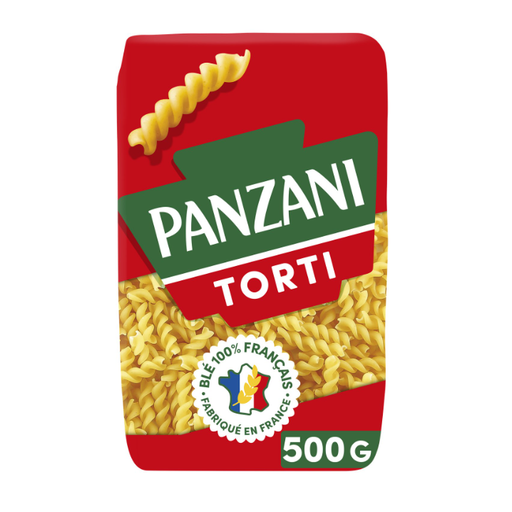 Image unavailable
A twisted shape for making a pasta dish with your own sauce.
500 g pack. Check the ‘salt’ value on the packet and take any seasoning added to your dinner into account.
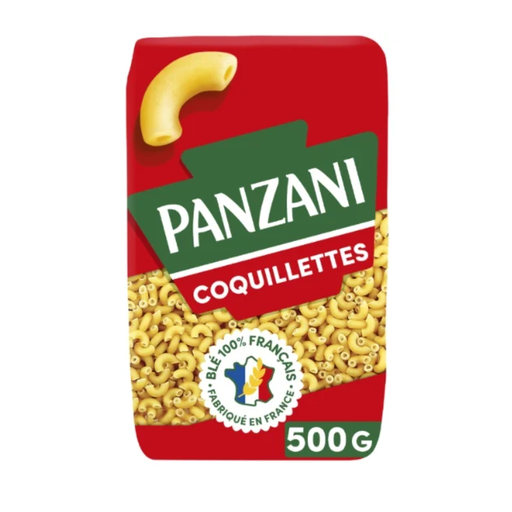 Image unavailable
Dried macaroni for a dinner where you choose the sauce and toppings.
500 g pack. Compare the ‘salt’ value for this product with that of other plain dried pasta.
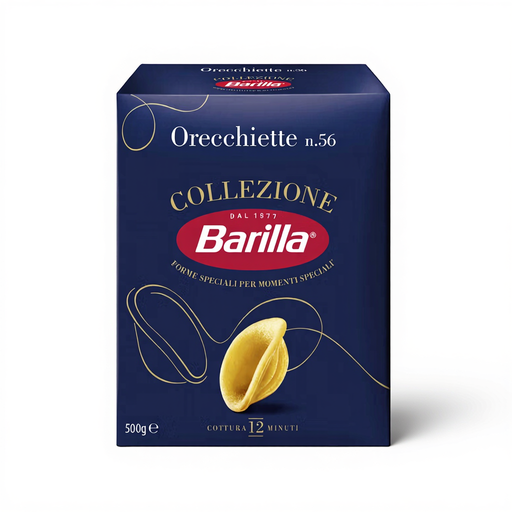 Image unavailable
Dried orecchiette to serve with a sauce prepared and seasoned separately.
500 g pack. Check the salt value for this product; don’t assume it’s the same as for another Barilla pasta.
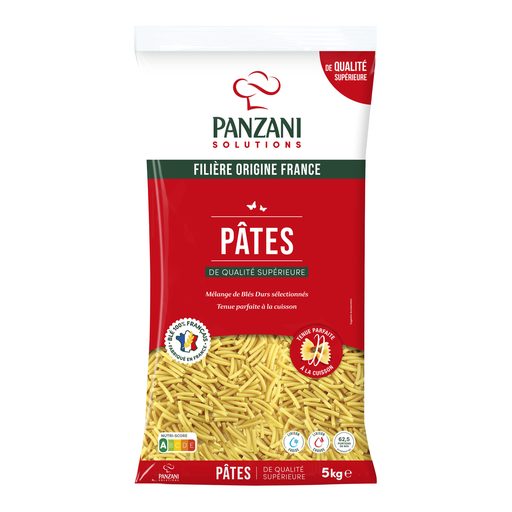 Image unavailable
A large pack of dried macaroni to consider if you use this pasta shape regularly.
5 kg pack: make sure the quantity and storage space suit you. Also check the ‘salt’ value on the packet.
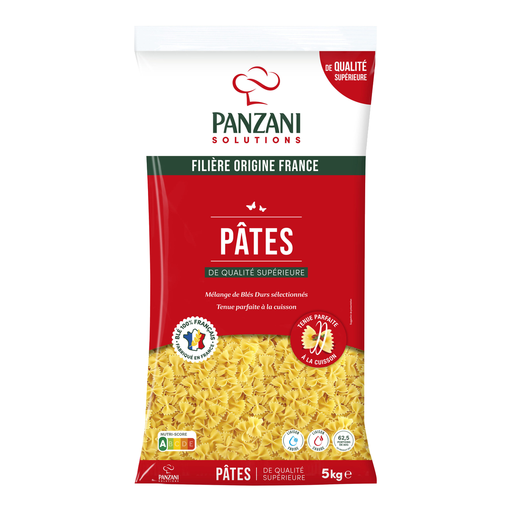 Image unavailable
Dried farfalle for making a pasta dish with a sauce you can portion to suit your taste.
Check the pack size shown on the packet and the ‘salt’ value per 100 g before comparing this product with others.
Read the ‘salt’ value per 100 g on each packet and, ideally, compare pasta of the same type. France’s Directorate-General for Competition Policy, Consumer Affairs and Fraud Control explains that showing the value per 100 g makes comparisons easier. However, plain dried pasta and filled ravioli are different recipes.
No. A low salt value for one product doesn’t mean that all dried pasta carries a ‘reduced salt’ claim. Barilla lists 0.013 g of salt per 100 g for its classic Penne Rigate. Check the value and any claims on the product you choose, rather than assuming this example applies to all pasta.
Yes, you can limit the amount of salt you add to the water. France’s Manger Bouger campaign advises against adding too much and suggests using herbs, flavourings and spices to add flavour to your dish. Taste the sauce before adding salt.
No. ‘Wholemeal’ tells you which grain is used, not whether the salt content is lower. If you’re interested in this recipe, check its ingredients list and its own ‘salt’ value per 100 g.
It isn’t necessarily suitable for everyone: Anses warns that potassium-based substitutes may pose risks for some people. If you’re reducing salt as part of a prescribed diet or are taking medication, seek appropriate medical or pharmaceutical advice before using one.