Anyone cooking for a group
If your sauce contains stock, cheese or salty condiments, comparing the salt in the pasta isn’t enough. The cooking water and accompaniments also contribute to the finished dish.


To keep salt in check for a world food evening, compare the ‘salt’ value per 100 g on your pasta rather than relying on the ‘reduced salt’ claim alone. Then choose a shape to suit your sauce, and keep an eye on the salt added to the cooking water and accompaniments. If anyone has a dietary restriction, check the label on the exact product you plan to serve.
If your sauce contains stock, cheese or salty condiments, comparing the salt in the pasta isn’t enough. The cooking water and accompaniments also contribute to the finished dish.
Choose your pasta shape and cooking method to suit the recipe. If you’re making a sauce from scratch, check that the texture works for the way you plan to serve it before adjusting the seasoning.
Wheat pasta, fresh egg pasta and a product labelled gluten-free have different ingredients. Read the ingredients and allergen information, and check for any ‘may contain’ warnings on the pack you choose.
Start with your guests’ needs, then compare the nutritional values of products that work with your recipe. The DGCCRF uses the information per 100 g as a basis for comparison. However, the ‘salt’ value for pasta alone won’t tell you how much salt is in the finished dish.
| Criterion | What to check | Who is this for? |
|---|---|---|
| Salt in the dish | Compare the salt per 100 g in like-for-like pasta products. Also consider how you’ll season the cooking water and sauce. | If my sauce already contains salty ingredients, I want to stay in control of the seasoning for the meal. Around 50% of consumers prioritise keeping an eye on the total salt. |
| Pairing with the sauce | Choose a shape that suits your recipe and check the cooking time on the pack. | If I’m serving a low-salt sauce that works well with the pasta, the shape and texture come before other criteria. This pairing is the top priority for around 30% of consumers. |
| Dietary restrictions | Check the ingredients, allergens and ‘may contain’ warnings, and look for a gluten-free label on the exact product if needed. | If someone needs to avoid gluten or an allergen, I need an option that meets their needs. Around 10% of consumers put this compatibility first. |
| Wholewheat pasta | Check the semolina used, fibre and salt per 100 g, as well as the allergen information. | If I’d like to serve wholewheat pasta to the group, its taste and texture matter as much as the label. This is the top priority for around 10% of consumers. |
These indicators don’t replace the ‘salt’ value when you’re comparing pasta specifically on this basis.
Compare the salt per 100 g in similar products, then check the ingredients and allergen information on the pack you choose.
Pasta with a low salt value can still be served with salty cooking water, stock, sauce or condiments.
Manger Bouger advises against adding too much salt to the cooking water. Taste the sauce before adding salt, and adjust the herbs and spices to suit the recipe.
The ingredients may affect your choice if anyone has an allergy. Lustucru Sélection’s 600 g Tagliatelles contain eggs and may contain traces of soya and mustard.
Check each pack and prepare a separate dish if someone’s dietary restriction requires it.
Wholewheat pasta is still made from wheat. A gluten-free product meets a different requirement, but that alone won’t tell you about its salt content or other allergens.
Ask your guests which restrictions you need to take into account, then check the label and preparation instructions for the option you choose.
The details below apply to specific products or ranges. Always check the pack you plan to cook with, particularly for salt and allergen information.
Classic dried pasta shapes and a gluten-free range to consider, depending on your sauce and your guests’ needs.
Classic pasta shapes and a wholewheat range to consider if you’d also like to compare fibre content.
An option to consider if your recipe calls for fresh egg tagliatelle rather than dried pasta.
A durum wheat wholewheat pasta to consider if you’re thinking of serving wholewheat pasta with your meal.
The TURINI and ECO+ products let you compare wholewheat pasta with plain dried spaghetti.
A wholewheat option to compare if it’s suitable for your guests.
These dried pasta products, labelled gluten-free, could be an option for your evening. They come in different shapes, so choose one to suit your sauce. Then check the salt per 100 g and any information relevant to guests with dietary restrictions on each pack.
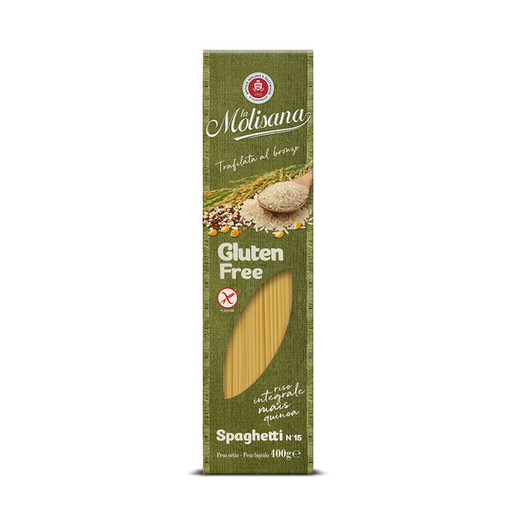 Image unavailable
Worth considering if your recipe calls for spaghetti and someone is looking for a product labelled gluten-free.
The product name mentions wholegrain rice, maize and quinoa. Check the ingredients and any ‘may contain’ warnings on the pack you buy.
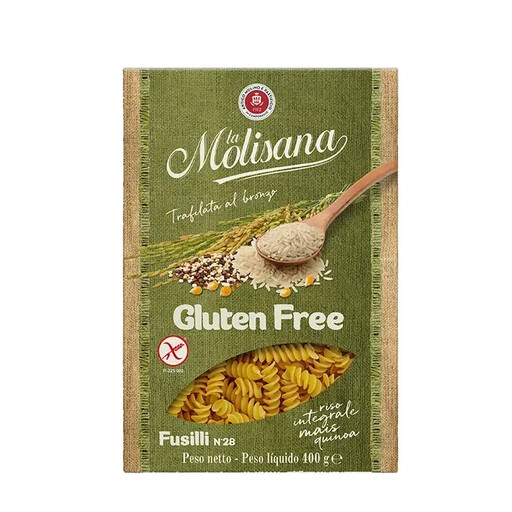 Image unavailable
Consider this if you’d prefer fusilli with your planned sauce and are looking for a product labelled gluten-free.
Check the ingredients, any ‘may contain’ warnings and the ‘salt’ value on the pack before serving.
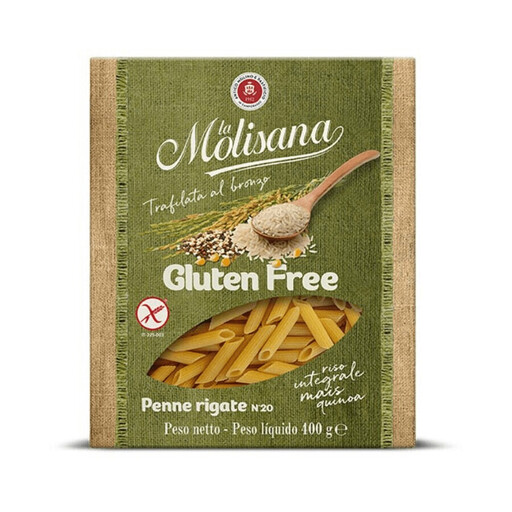 Image unavailable
Consider this for a penne recipe when you need an option labelled gluten-free.
If you want to keep salt in the dish to a minimum, adjust the seasoning in the cooking water and check the salt in your sauce too. Read the allergen information on the pack.
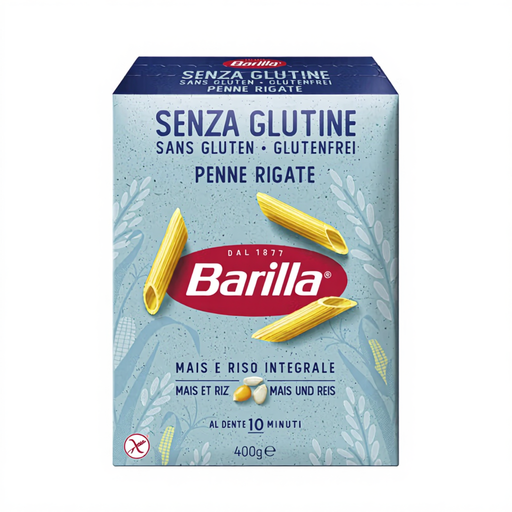 Image unavailable
A short pasta shape to consider if it suits your sauce and you’re looking for pasta labelled gluten-free.
Check the ‘salt’ value, cooking time and information about allergens or traces on the pack.
No. Check the salt per 100 g, then take into account the cooking water, sauce, cheese and condiments you use. The claim on the pack doesn’t tell you how the finished dish is seasoned.
You can reduce the salt you add to the water if you’re trying to keep salt in the meal to a minimum. Manger Bouger advises against adding too much salt to the cooking water. Taste the dish before adjusting the seasoning.
No. ‘Wholewheat’ describes the semolina used, not the salt content. Some wholewheat products have low salt values, but compare the ‘salt’ and fibre per 100 g on the product you plan to buy.
Choose a product with a label that meets the guest’s stated dietary requirement, then check its ingredients and any ‘may contain’ warnings. If you need to avoid contact with other foods during preparation, consider your utensils and how you organise the cooking too.