What should you check before choosing?
Start with the ingredients and sugar information, then check the caffeine content and any precautions relating to the plants, depending on how you’ll use it. Finally, check the packaging if a jar is one of your buying criteria.
| Criteria |
What to check |
Who it matters to |
| Ingredients and sugars |
Read the ingredients and sugar information; compare the values per 100 ml of prepared drink where these are shown. |
If I’m choosing a drink to enjoy without adding sugar to my cup, I want to know what’s in the recipe rather than rely on the word “wellbeing”. Around 42% of consumers are said to prioritise checking the label in this way. |
| Caffeine |
Look for an explicit “caffeine-free” label and check whether it contains tea, maté or matcha. |
If I’m planning a cup in the evening, avoiding caffeine becomes my top priority, even among blends sold as infusions. This is said to be a priority for around 33% of consumers. |
| Plants and product status |
Look for liquorice, read the usage precautions and distinguish a food infusion from a food supplement. |
If I’m taking medication or have a condition that calls for extra care, I want to identify the plants before considering regular consumption. Precautions relating to plants are said to be a priority for around 25% of consumers. |
Herbal infusions and tea to compare on Joybuy
These tea-bag products include herbal or rooibos infusions and a green tea with mint. Compare their labels according to your priorities for sugar, caffeine and ingredients. If you’re looking for a jar, check the packaging supplied separately.
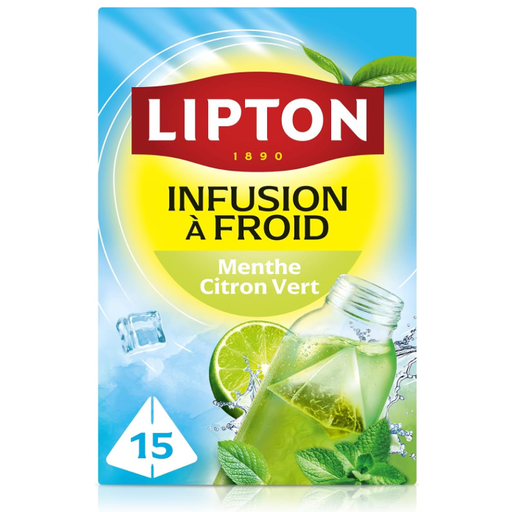 Image unavailable
Lipton Cold Infuse Mint & Lime, 15 tea bags
Worth considering if you’re looking for a drink to make with cold water. This product comes in a pack of 15 tea bags; check the packaging for ingredients and sugar information.
View on Joybuy
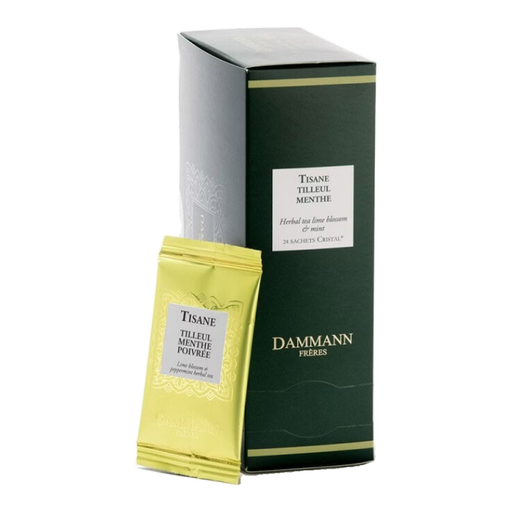 Image unavailable
DAMMANN Lime blossom & spearmint, 24 tea bags, 48 g
Worth comparing if you prefer an infusion with lime blossom and spearmint. The listed format is 24 tea bags, weighing 48 g; check what’s included if you also want a container.
View on Joybuy
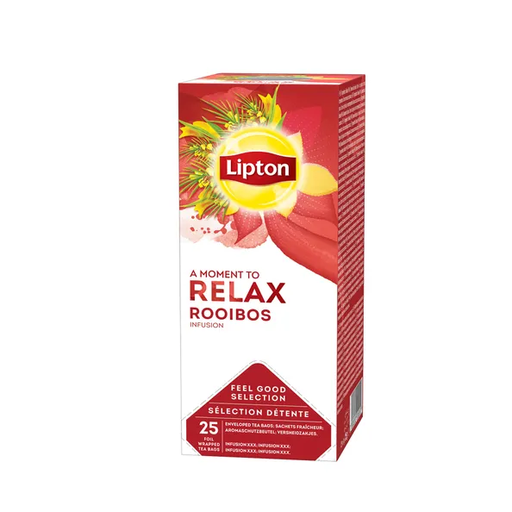 Image unavailable
Lipton Feel Good Selection Rooibos, 25 tea bags
Worth considering if you’re looking for a rooibos infusion rather than tea. This product contains 25 tea bags; check the prepared drink’s label to compare sugar information.
View on Joybuy
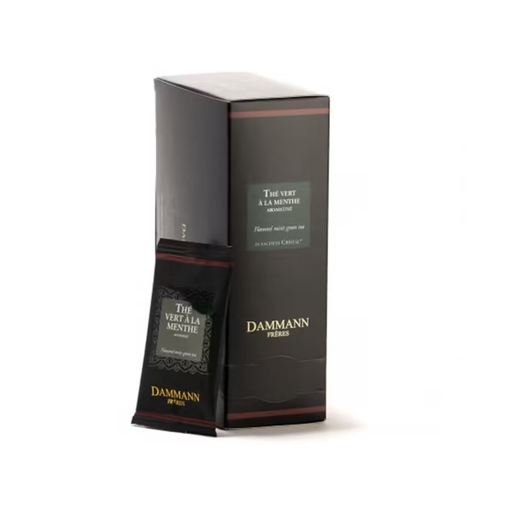 Image unavailable
DAMMANN Green tea with mint, 24 tea bags, 48 g
Worth considering if you’re looking for mint tea rather than a herbal infusion without tea. This product contains 24 tea bags, weighing 48 g; if you avoid caffeine, compare it with a different recipe.
View on Joybuy
 Image unavailable
ELEPHANT Organic verbena and mint infusion, 20 tea bags
Worth considering if you enjoy a verbena and mint recipe. The listed format is 20 tea bags; check the label for nutritional information and for any details relevant to your caffeine requirements.
View on Joybuy
Frequently asked questions
Is a “wellbeing” infusion automatically a suitable choice when shopping for someone with diabetes?
No. Choose one based on its ingredients and sugar information, not its name. Assurance Maladie points out that a person’s diet should be tailored to their needs; an infusion is no substitute for their treatment.
How can you compare the sugar content of two infusions?
Start by reading the ingredients and sugar information, then compare the nutritional information on a like-for-like basis where it’s shown. For a prepared drink, compare the value per 100 ml with the amount you drink and anything you add to your cup.
Do “detox” or “blood sugar regulation” mean that an infusion affects diabetes?
No. These terms don’t prove that a product is effective against diabetes. The DGCCRF points out that health claims on food products are regulated; you should also distinguish a food infusion from a product presented as a food supplement.
What precautions should you take with an infusion containing liquorice?
Consider the amount and how often you plan to drink it, as well as your health and any medication you take. Anses warns of the risks of high, repeated liquorice consumption, particularly for people who are pregnant or breastfeeding and those with certain cardiovascular, kidney or liver conditions. If in doubt, ask a doctor or pharmacist for advice before drinking it regularly.


