If you’re looking for a mint drink you can make without adding sugar, first distinguish tea bags for infusing from ready-to-drink teas: the name ‘mint tea’ alone tells you nothing about the sugar content of a bottle. Then compare the ingredients in different blends based on the flavour you prefer and whether you need to keep an eye on caffeine. Dietary advice relating to your treatment is specific to you.
Who are these criteria for?
People who want to make a drink without added sugar
You want to tell the difference between an infusion made from a tea bag with no added sugar and a ready-to-drink beverage. The French Federation of Diabetics lists unsweetened tea and herbal infusions among the drinks that can be included in a varied diet.
People who pay close attention to the blend’s ingredients
You compare the proportions of green tea, mint leaves and flavourings instead of relying on the product name alone. The ingredient lists published by Carrefour and Auchan show that these proportions vary from one product to another.
People who monitor their caffeine intake
If you already drink other caffeinated beverages or have been given individual advice, it’s worth checking whether the blend contains green tea. The European Food Safety Authority reminds us that tea leaves naturally contain caffeine.
What should you check on the shelf?
First, distinguish tea bags for infusing from ready-to-drink beverages. Then read the blend’s ingredients and check whether it contains tea. For a prepacked drink, the ‘of which sugars’ line per 100 ml can also help you assess the product you’ve chosen.
| Criterion |
What to check |
Who is it for? |
| Sugars in the drink |
Check the tea bag’s ingredients and what you add to your cup. For a ready-to-drink beverage, also read the ‘of which sugars’ line per 100 ml. |
I want to make my tea without sweetening it and avoid confusing my tea bag with a bottle of mint tea. Around 50% of consumers rank checking sugar content as their top concern. |
| Mint and tea content |
Compare the stated proportions of green tea and mint, and check whether the blend contains leaves, extracts or flavourings. |
To choose a blend I’ll enjoy, I want to know whether most of the mint comes from leaves or whether the recipe also includes flavouring. Around 30% of consumers would make clear information about the blend their top priority. |
| Caffeine content |
Look for green tea or other caffeinated ingredients, and take your other drinks throughout the day into account. |
If I’m monitoring my caffeine intake, the presence of tea matters more to me than the advertised strength of the mint flavour. This would be the top priority for around 20% of consumers. |
Common mix-ups to avoid
-
Assuming iced tea is the same as tea made from a tea bag
A ready-to-drink bottle and a tea bag brewed with water are not judged by the same information: the sugar content of bottled drinks depends on the recipe.
Read the ingredients and the ‘of which sugars’ line per 100 ml. With a tea bag, also consider what you add to your cup.
-
Confusing ‘no added sugars’ with ‘sugar-free’
These claims don’t mean the same thing: ‘no added sugars’ doesn’t necessarily rule out naturally occurring sugars. The French Agency for Food, Environmental and Occupational Health & Safety (ANSES) states that ‘sugar-free’ means less than 0.5 g of sugars per 100 g or 100 ml.
Check the exact wording, then read the ingredients and nutritional information if these are provided on the product.
-
Mistaking a strong mint flavour for a nutritional measure
Product listings from Carrefour and Auchan show different proportions of tea, mint and flavourings. An advertised flavour intensity won’t tell you how much sugar is in the drink once prepared.
Choose a flavour profile you enjoy, then check the ingredients and any additions to your cup separately.
-
Forgetting about the tea behind the mint flavour
A blend containing green tea also contains caffeine, which occurs naturally in tea leaves, according to the European Food Safety Authority.
If caffeine matters to you, check the plant ingredients in the exact product. A mint infusion without green tea is another option to consider, but don’t assume what it contains from the name alone.
Brands to compare by product
These examples are intended to help you understand the ingredients in specific products, not to make assumptions about every product from a particular brand.
Lipton
The Thé Vert Menthe Intense product combines several types of mint with green tea.
- Carrefour’s product listing details 60% green tea, 27% spearmint, 6% peppermint and 7% natural mint flavouring.
- These proportions apply to this product, not all Lipton blends, and don’t tell you how much caffeine is in each cup.
Carrefour Sensation
A green tea and mint product in tea bags, with ingredients you can compare one by one.
- Carrefour’s product listing states that it contains 65% green tea, 22% mint leaves and natural mint flavouring.
- Check the ingredients on the pack you buy if you’re looking for this particular recipe.
1336
The green tea and mint product featured by Auchan highlights the proportions of its two listed ingredients.
- The listing for the 20-teabag, 40 g pack states that it contains 90% green tea and 10% mint leaves.
- This applies to the product mentioned; its high proportion of green tea doesn’t mean it is caffeine-free.
Jardin BiO étic
The fresh mint green tea featured by Auchan distinguishes between spearmint and nanah mint extract.
- The listing states that it contains 80% green tea, 10% spearmint and 10% nanah mint extract.
- These ingredients describe the dry blend; you should still check what is added to the prepared drink.
Tea bags and infusions to consider on Joybuy
This selection includes mint infusions whose listed ingredients don’t include green tea, as well as green tea and mint blends. Compare the ingredients in the exact product with the way you prepare your drink, particularly if you’re monitoring added sugars or caffeine.
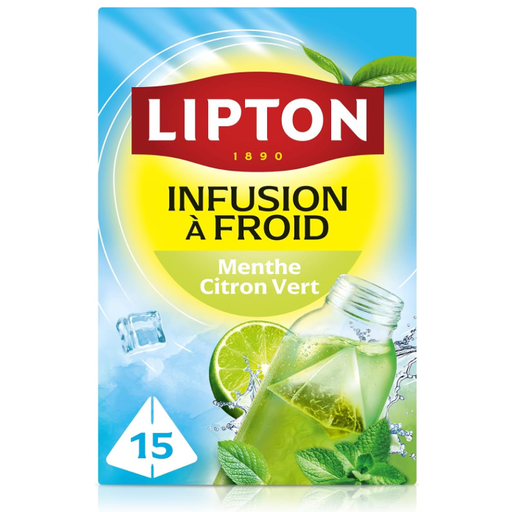 Image unavailable
LIPTON Cold Infuse Mint & Lime, 15 sachets
Worth considering if you’d like to make a cold mint drink rather than buy ready-to-drink tea. The ingredients listed for this product don’t mention green tea. Check the pack for information about sugars and caffeine if these affect your choice.
View on Joybuy
 Image unavailable
ELEPHANT Organic Verbena Mint Tea, 20 sachets
This mint and verbena infusion in tea bags is an alternative to green tea blends. If avoiding caffeine is important to you, check the information for the exact product rather than assuming from the name of the infusion.
View on Joybuy
 Image unavailable
PUKKA Mint Matcha Green Tea, 20 sachets
Worth a look if you’re after a minty green tea to infuse and want to compare the blend’s ingredients. The green tea and matcha are relevant if you’re monitoring your caffeine intake. If avoiding added sugar is your priority, prepare your cup without it.
View on Joybuy
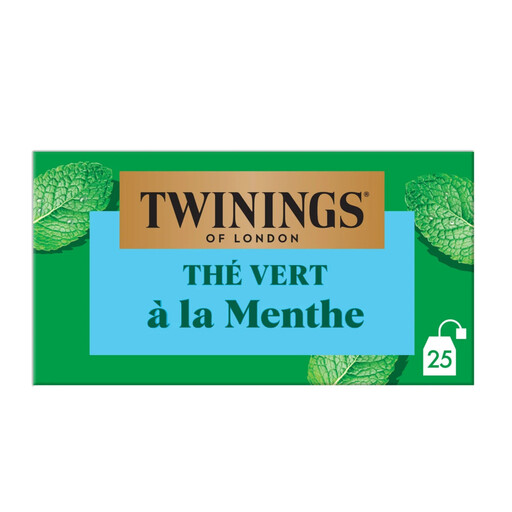 Image unavailable
Twinings Green Tea & Mint, 25 sachets, 50 g
This minty green tea in tea bags lets you choose a drink to infuse rather than a ready-to-drink option. When interpreting the nutritional information, distinguish values given for the dry product from those for the prepared cup. Green tea contains caffeine.
View on Joybuy
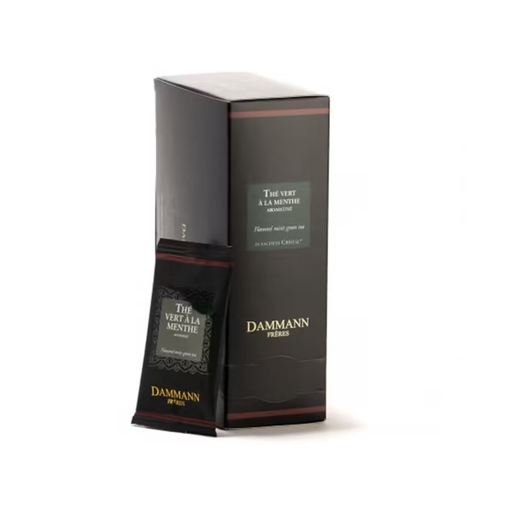 Image unavailable
DAMMANN Green Tea with Mint, 24 sachets, 48 g
Compare this if you’re looking for green tea combined with several types of mint. The product listing also suggests serving it sweetened, but that’s up to you and will change the drink you consume. Bear the green tea in mind if you’re monitoring your caffeine intake.
View on Joybuy
Frequently asked questions
Can you choose mint tea if you have diabetes?
Tea or herbal infusions made without added sugar can be among the drinks included in a varied diet, as illustrated by the examples from the French Federation of Diabetics. Check the sugar content separately for ready-to-drink versions, and follow any dietary advice relating to your treatment.
How can you check the sugar content of a mint drink?
For a prepacked drink, read the ingredients list and the ‘of which sugars’ line per 100 ml. A ‘no added sugars’ claim doesn’t necessarily mean that the drink contains no sugars. With a tea bag for infusing, also consider what you add to your cup.
Does minty green tea contain caffeine?
Yes. Tea leaves naturally contain caffeine, as the European Food Safety Authority reminds us. If you need to monitor your intake, also take your other caffeinated drinks into account and ask for individual advice if your medical circumstances require it.


