People avoiding sweetened mixes
You’re looking for instant coffee in a jar made with coffee alone. Carrefour and Auchan list products of this kind separately from mixes such as NESCAFÉ 3-in-1, which contains sugar and glucose syrup.


To choose instant coffee in a jar without mistaking a sweetened coffee mix for plain coffee, start with the ingredients list, then check the ‘sugars’ line in the nutrition information. Carrefour describes NESCAFÉ NES 200 g as ‘100% coffee’, while the listed NESCAFÉ 3-in-1 mix contains sugar and glucose syrup, so you’ll need to check the ingredients for each specific product. Decaffeinated coffee addresses a separate question: caffeine. For type 2 diabetes, the French National Authority for Health recommends tailoring dietary advice to the individual.
You’re looking for instant coffee in a jar made with coffee alone. Carrefour and Auchan list products of this kind separately from mixes such as NESCAFÉ 3-in-1, which contains sugar and glucose syrup.
You may be considering decaffeinated instant coffee while checking its ingredients separately. Anses notes that the effects of caffeine can vary depending on factors including your health, medication and habits.
You make coffee regularly and check the jar’s weight, the stated number of cups and the storage instructions. These details about pack size don’t replace checking the ingredients.
When shopping with diabetes in mind, check the instant coffee’s ingredients first, then consider caffeine if it’s relevant to you, and finally choose a size to suit how much you drink.
| Criterion | What to check | Who is it for? |
|---|---|---|
| Ingredients | Read the ingredients list, then check the ‘sugars’ line in the nutrition information for the product you’ve chosen. | If I want coffee to prepare myself rather than a ready-sweetened mix, ingredients matter more than pack size. Around 50% of consumers put this first. |
| Caffeine | Look for the word ‘decaffeinated’, then check the ingredients and sugars separately. | If caffeine is a concern for me, I look for a decaffeinated version without assuming that this tells me anything about its sugar content. This is a priority for around 30% of consumers. |
| Pack size and storage | Compare the net weight, the stated number of cups based on the recommended amount, and the storage instructions on the jar. | To stock my cupboard at a pace that suits me, I prefer a size I can use and store according to the instructions. Around 20% of consumers prioritise this. |
The term ‘instant coffee’ alone doesn’t tell you what’s in the product. Carrefour’s listing for NESCAFÉ NES 200 g says ‘100% coffee’, while its NESCAFÉ 3-in-1 listing includes sugar and glucose syrup.
Read the ingredients for the specific product, then check the ‘sugars’ line and the portion you actually prepare.
Decaffeinated coffee addresses concerns about caffeine, but on its own it doesn’t tell you about the ingredients or sugars. The French National Authority for Health says dietary advice for type 2 diabetes should be tailored to the individual.
Check these points separately. If you’ve been given personal advice about caffeine or your diet, speak to the healthcare professional supporting you.
The stated yield depends on how much coffee is used per cup, so you can’t compare two jars of the same weight by looking only at the number of cups shown.
Check the weight, recommended serving size and storage instructions on each jar before choosing one for your cupboard.
The range includes plain NES instant coffee in a 200 g pack, as well as a separate 3-in-1 mix. Carrefour lists both products.
Carrefour describes the 180 g jar of Classique instant coffee as a blend of Arabica and Robusta.
Auchan lists a 100 g jar of L’OR instant coffee, with 55 cups stated on the product page.
Auchan Intensité 6 is freeze-dried instant coffee in a 200 g jar, with 100 cups stated on the product page.
E.Leclerc lists Plantation freeze-dried instant coffee in a 100 g pack.
These Maxwell House products let you compare a 100 g jar, a 200 g jar and a pack of two 200 g jars. When shopping with diabetes in mind, check the ingredients and nutrition information for each product before choosing a size.
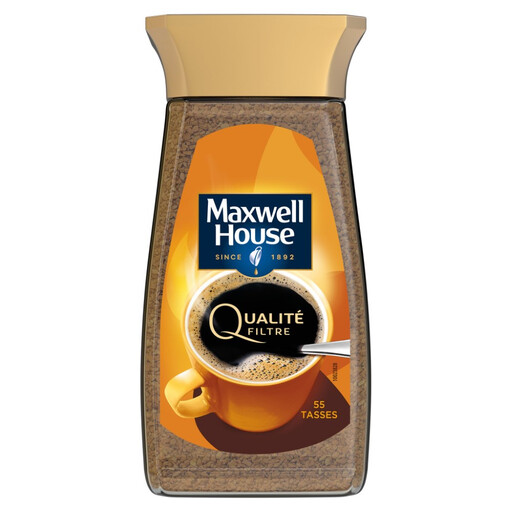 Image unavailable
This 100 g jar may suit you if you prefer a smaller pack. Before buying, check the ingredients and the ‘sugars’ line on the label.
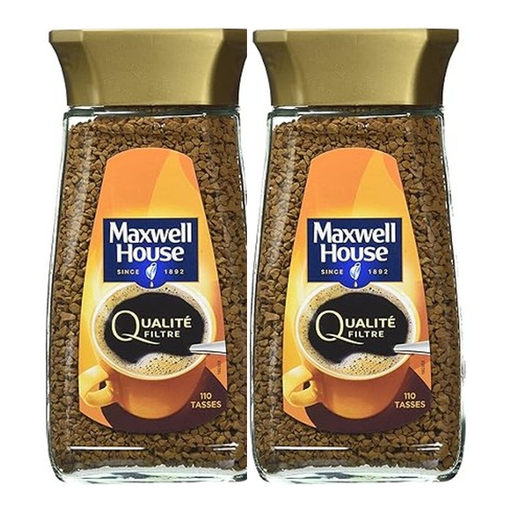 Image unavailable
This pack of two 200 g jars is suited to regular use if the size matches how much coffee you drink. Check the ingredients and the basis used for the nutrition information on the jar labels.
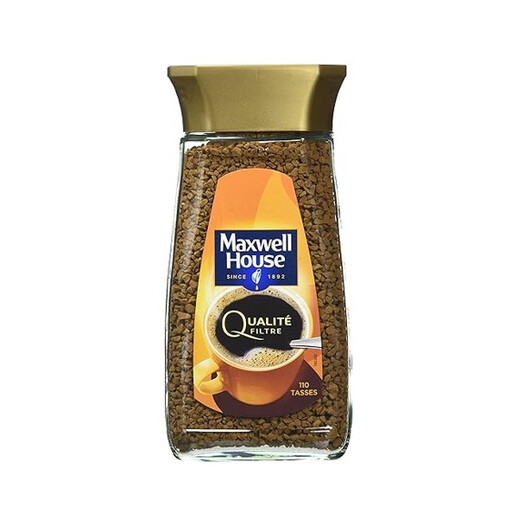 Image unavailable
This 200 g jar is worth considering if you drink instant coffee regularly. Compare its ingredients list and ‘sugars’ line with those of the other jars you’re interested in.
Start with the ingredients list, then check the ‘sugars’ line in the nutrition information. Carrefour’s listings distinguish NESCAFÉ NES 200 g, described as ‘100% coffee’, from NESCAFÉ 3-in-1, which contains sugar and glucose syrup.
No. ‘Decaffeinated’ addresses a concern about caffeine, but doesn’t in itself tell you about the ingredients or sugar content. Anses says that the effects of caffeine vary from person to person. If you have specific medical advice to follow, ask for guidance tailored to your situation.
Compare figures shown on the same basis, particularly per 100 g, then take into account how much coffee you use per cup. The DGCCRF says that nutrition information for prepacked foods is given per 100 g or 100 ml to make comparisons easier. Check the ingredients for each product too.
Follow the storage instructions on the jar you buy. Auchan’s product listings include advice such as storing coffee in a dry place at room temperature, or away from heat and moisture. Close the jar according to the instructions on its packaging.