
Livraison le jour même ou le lendemain

Qualité garantie

Débloquez vos offres de bienvenue: Livraison GRATUITE | Jusqu'à -80 % | 30 jours d'essai gratuits à JoyPlus
Téléchargez l'application
Choosing a hair shampoo is about more than simply picking a brand or fragrance. Dry hair, a sensitive scalp, curls, excess sebum or dandruff: each hair profile calls for a different formula. And behind an attractive bottle, you may find ingredients that are not well suited to your routine.
Here are the criteria to consider to avoid disappointing purchases and compare the different options with greater confidence.
Descriptions such as “repairing”, “intense nourishment” or “long-lasting hydration” indicate the formula’s intended benefits, but do not guarantee the same results for every hair type. A shampoo for dry hair will not necessarily meet the needs of an oily scalp, while a rich formula may weigh down fine hair.
Start by identifying your priority:
The presence of keratin, hyaluronic acid, avocado oil or shea butter alone is not enough to determine whether a product will suit you. The ingredient’s position in the INCI list, the presence of fragrance and the type of cleansing agents also matter.
A sulphate-free shampoo may offer a gentler cleanse for some users, but it can sometimes produce less lather and require a short adjustment period. Conversely, a formula containing sulphates is not automatically unsuitable: it may work well for a scalp that becomes greasy quickly, depending on how often you wash your hair and your individual sensitivity.
A one-litre bottle is only worthwhile if its formula genuinely fits your routine. For occasional use, or if you like to change your hair-care products regularly, a 200 to 300 ml size reduces the risk of waste. On the other hand, a larger bottle can be practical for a family or frequent washing.
Surfactants are responsible for cleansing. Formulas often combine several types to strike the right balance between cleansing power and comfort. Shampoos for oily hair may focus on a fresh, lightweight feel, while a gentle shampoo for a sensitive scalp will generally use milder cleansing agents.
The sulphate-free claim should be checked in the INCI list rather than inferred from the packaging alone. A sulphate-free formula may still contain fragrance or essential oils : two ingredients to consider if you are prone to sensitivity.
For a moisturising shampoo, look in particular for glycerine, aloe vera or certain humectants. A nourishing shampoo for dry hair may contain plant oils, proteins or butters. Damaged hair may benefit from a formula enriched with hydrolysed proteins, but conditioner is often still essential to make detangling easier.
Curly and coily hair needs a balance between cleansing, softness and definition. A shampoo for curly hair containing conditioning agents can help reduce feelings of dryness. If your hair is prone to frizz, also check for smoothing agents and make sure the formula is compatible with your usual styling routine.
A product marketed as organic should carry an identifiable certification, such as COSMOS ORGANIC when this appears on the packaging. Percentages of ingredients of natural origin should be interpreted carefully : they do not mean that the entire formula comes from organic farming.
A vegan formula excludes ingredients of animal origin, according to the information provided by the manufacturer. However, “natural” and “vegan” are not synonymous. Essential oils and fragrance allergens also deserve particular attention. If irritation occurs, stop using the product and seek advice from a healthcare professional.
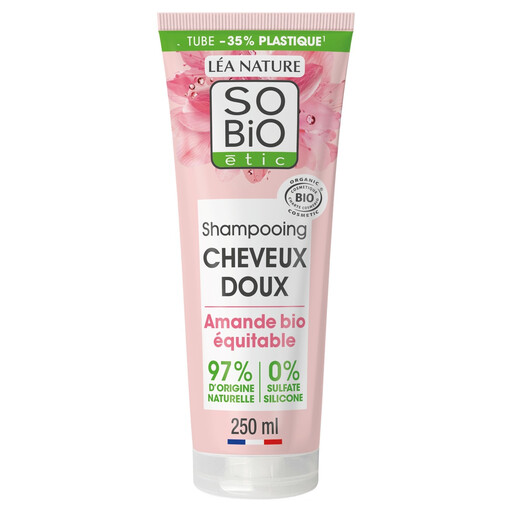
Why this choice suits this profile : Its sulphate- and silicone-free formula is suitable for a straightforward routine, particularly for normal hair and some sensitive scalps.
The COSMOS ORGANIC certification and the claims “97 % natural origin”, “0 % sulphates” and “0 % silicones” provide clear, practical points of reference rather than a vague general promise.
Organic fair-trade almond milk, rice proteins, a 250 ml size and made in France.
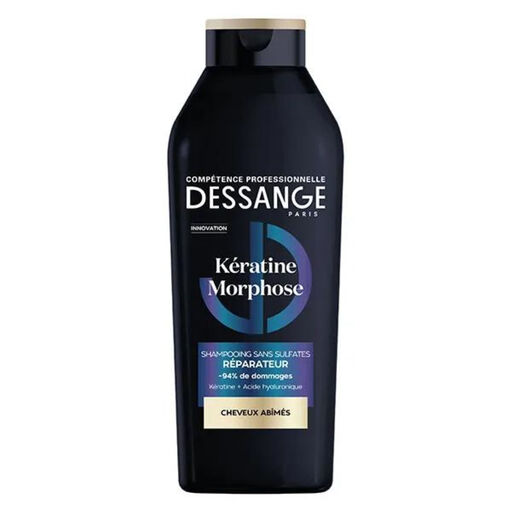
Why this choice suits this profile : This formula is designed for people looking for a routine focused on damaged hair, particularly after treatments or exposure to external stressors.
The formula is explicitly described as sulphate-free, while the INCI list allows you to check for hydrolysed proteins and sodium hyaluronate.
A plant-based keratin complex, hyaluronic acid and a 280 ml size. The brand recommends using it as part of its complete routine.
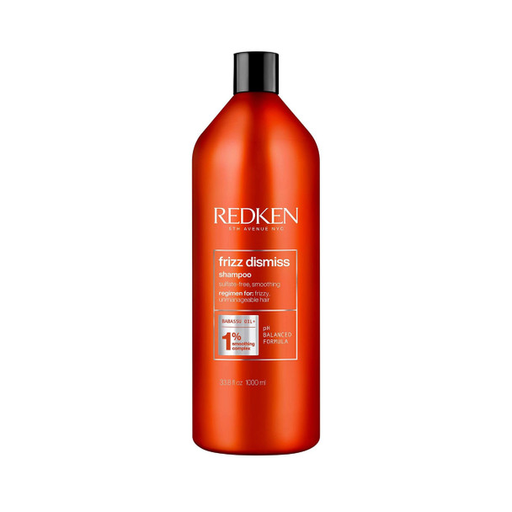
Why this choice suits this profile : Its one-litre size is suitable for frequent use, shared households or professional salons.
The volume is clearly stated, and the formula includes dimethicone and babassu oil : ingredients to consider if you are looking for smoothing action to help combat frizz.
1 000 ml size, a formula designed for fine to thick hair, and stated use against the effects of humidity.
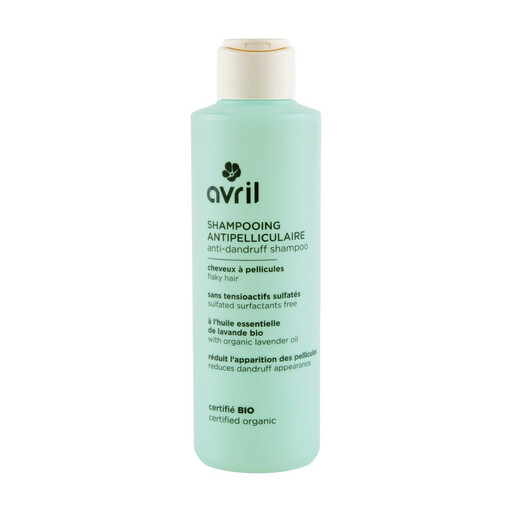
Why this choice suits this profile : This option combines anti-dandruff action with organic certification and a vegan formula, making it suitable for users who value these criteria.
The stated pH of 4.5–5, COSMOS ORGANIC certification and 98 % ingredients of natural origin make for a more meaningful comparison.
Lavender and cade essential oils, made in France, a 250 ml size and a vegan formula. The presence of lavender essential oil means you should follow the stated precautions.
We have put together a complete, real-time updated list of products that fully meet these demanding selection criteria and European safety regulations.
Technique also affects the result:
How often you wash your hair depends on sebum levels, physical activity, pollution and styling habits. Daily washing may suit some people, provided you choose a well-tolerated formula and avoid rubbing too vigorously.
Choose a moisturising or nourishing formula containing glycerine, plant oils, butters or hydrolysed proteins. Very sensitised hair may benefit from a repairing shampoo without sulphates, but it is best to follow cleansing with a hair mask or conditioner.
It all depends on the formula and the instructions on the packaging. Follow the frequency recommended by the manufacturer. If dandruff persists, is accompanied by redness or causes severe itching, seek advice from a healthcare professional rather than using more and more products.
A 250 ml bottle can last several weeks, depending on your hair length, the amount used and how often you wash it. To reduce the cost per use, start with a moderate amount and check whether a second wash is really necessary. Also check the period-after-opening symbol and the date shown on the packaging.