
Livraison le jour même ou le lendemain

Qualité garantie

Débloquez vos offres de bienvenue: Livraison GRATUITE | Jusqu'à -80 % | 30 jours d'essai gratuits à JoyPlus
Téléchargez l'application
A shampoo should not be chosen solely for its fragrance or the promise displayed on the bottle. With formulas designed for oily, dry, damaged, fine, curly or colour-treated hair, the choice is vast. The most important differences are often found on the back of the packaging.
Three common pitfalls regularly arise when shopping:
The main need is often at scalp level, while the lengths require different care.
The ingredients list allows you to check several of the characteristics highlighted by the brand. A formula described as sulphate-free should not contain certain common sulphated surfactants, while the claim ‘silicone-free’ means that the declared formulation contains no silicones.
This does not automatically mean that a formula is better. Sulphates create a generous lather and provide a clean feeling that some people appreciate. Conversely, a sulphate-free shampoo may require more thorough rinsing. The right choice depends on your scalp’s sensitivity, how often you wash your hair and how much sebum it produces.
Fragrances and fragrance allergens, such as limonene, linalool or coumarin, also deserve your attention if you know you are sensitive to them. Always check the list printed on the bottle, as formulations can change.
For daily use by the whole family, a large-format shampoo with a pump can be practical. PANTENE Thickening Shampoo with biotin and rose water comes in a one-litre bottle with a pump. Its packaging is described as being made from 100% recycled plastic, excluding the pump and colourants.
By contrast, a 250 to 300 ml bottle is easier to test or take with you. To compare prices, calculate the cost per 100 ml and consider how much you use each time you wash your hair. A small amount is generally enough for the scalp, so there is no need to apply too much product to the lengths.
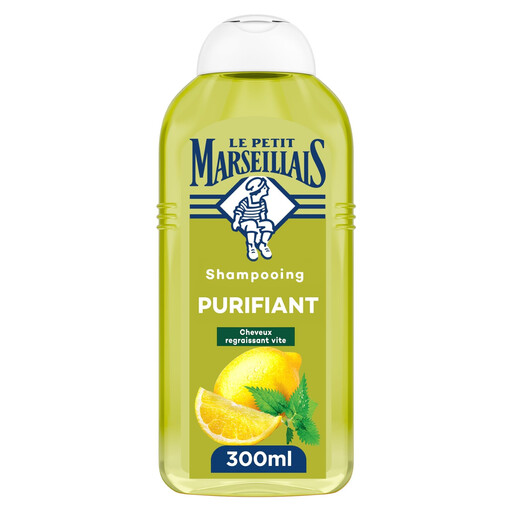
Why this choice suits this profile : Its 300 ml size lets you try a formula intended for normal to oily hair without committing to a large bottle straight away.
The stated formulation is silicone-free and contains 98% ingredients of natural origin ; the INCI list should still be checked on the packaging.
Organic nettle and lemon extracts, recyclable bottle and manufacturing stated to take place in France.
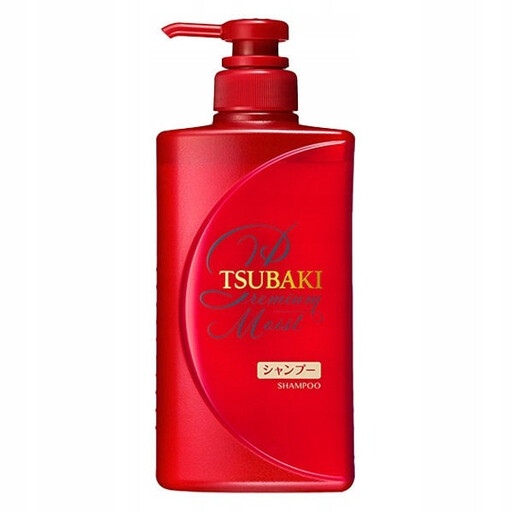
Why this choice suits this profile : This Japanese formula is aimed at people looking for a rich haircare routine for dry, dull or sensitised hair.
The supplied list clearly details the presence of conditioning agents and camellia oil, rather than relying solely on the word ‘premium’.
450 ml size, camellia seed oil and royal jelly extract listed in the formulation.
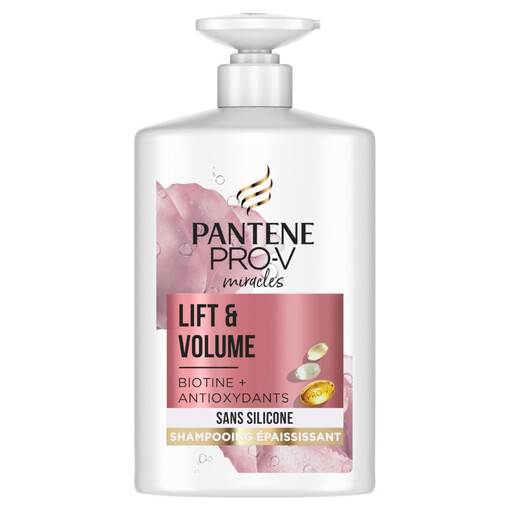
Why this choice suits this profile : Its one-litre size and pump are ideal for frequent washing and bathrooms shared by several people.
The formula is described as silicone-free, but contains Sodium Laureth Sulfate : it will therefore not suit people who are also looking for a sulphate-free shampoo.
Biotin, rose water, Pro-V nutrients and a large-format bottle with pump.
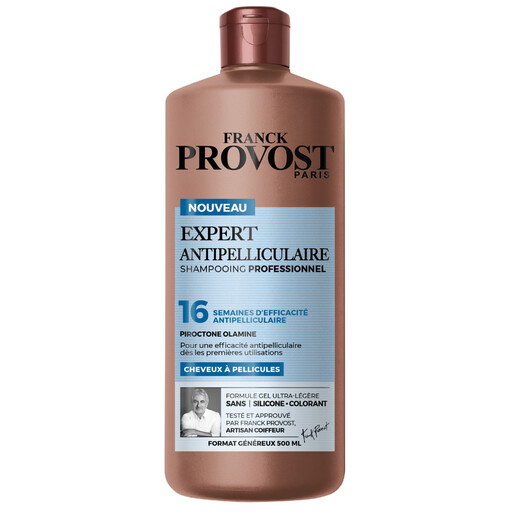
Why this choice suits this profile : It specifically targets scalps with visible dandruff and comes in a 500 ml size suitable for regular use.
The INCI list indicates the presence of piroctone olamine ; the formula is also described as silicone-free.
Piroctone olamine, a texture described as lightweight and a 500 ml bottle.
We have put together a complete, real-time selection of products that meet these demanding criteria and European safety standards.
When using an anti-dandruff shampoo, follow the instructions on the bottle. If irritation persists, you experience intense itching or the problem keeps recurring, seek advice from a healthcare professional. A cosmetic shampoo is not a substitute for a medical diagnosis.
Choose an oily hair shampoo or a rebalancing formula, applying it mainly to the scalp. You can then apply a nourishing conditioner to the lengths. Dessange Rebalancing Shampoo with White Clay is described as suitable for oily roots and dry ends, with white clay and salicylic acid in its formulation.
No. The absence of sulphates tells you about the choice of surfactants, but it is not enough to determine the product’s overall suitability. Fragrance, preservatives, how often you wash your hair and the other cleansing agents also play a part. Check the INCI list and stop using the product if you experience a reaction.
Follow the expiry date or the period after opening indicated on the packaging. Keep the bottle closed and away from heat and sunlight. A noticeable change in smell, colour or texture is a sign that you should stop using the product.