
当日/次日达

品质保障

开启新人专享福利: 全场免邮 | 低至 2 折 | 免费试用 30 天 JoyPlus 会员
下载 Joybuy
Rough hair, split ends, persistent frizz or a tight-feeling scalp: choosing a shampoo for dry and damaged hair is not simply a matter of looking for the words « nutrition » or « repair » on the bottle. The texture, washing frequency and ingredients all directly affect how comfortable it is to use.
Some marketing claims can also steer you towards a product that does not really meet your needs. Here are the main pitfalls to avoid before you buy.
A hydrating shampoo generally aims to add or retain water in the hair fibre. A nourishing shampoo focuses more on oils, butters and other emollients to improve flexibility and feel. As for a repairing shampoo, this term often refers to a formula enriched with conditioning agents, proteins or film-forming ingredients.
These categories are not interchangeable. A very rich formula can weigh down fine hair, while thick or very dry hair may remain rough with a treatment that is too light.
« Sulphate-free » does not automatically mean that a shampoo will suit every scalp. Other cleansing agents can create plenty of lather and provide a fairly thorough cleanse. It is therefore better to examine the entire INCI list, paying particular attention to fragrances, essential oils, fragrance allergens and conditioning agents.
Conversely, the presence of a sulphate alone does not make a product unsuitable. The concentration, frequency of use and your personal sensitivity also need to be taken into account.
The percentages and time periods displayed on packaging sometimes relate to a protocol defined by the brand. They do not guarantee the same result for every user. When comparing two products, check what the data refers to, how many participants were involved and the conditions of use stated.
To nourish the hair, jojoba, argan, camellia and coconut oils, as well as plant butters, are commonly used. To enhance the feeling of hydration, a formula may contain glycerine, panthenol or various conditioning agents. Hydrolysed proteins and amino acids are often included in formulas designed for weakened hair.
The organic claim should be accompanied by an identifiable certification, such as COSMOS ORGANIC. Some products clearly state their percentage of naturally derived ingredients and name their certifying organisation. This is useful for distinguishing verifiable certification from a simple botanical-sounding promise.
A 1 litre bottle may be worthwhile for a household that washes its hair frequently, but it takes up more space and requires suitable storage conditions. Conversely, a 50 or 250 ml size is more practical for testing a formula or taking it on holiday. Apply a reasonable amount to the scalp, massage gently, then allow the lather to run through the lengths before rinsing.
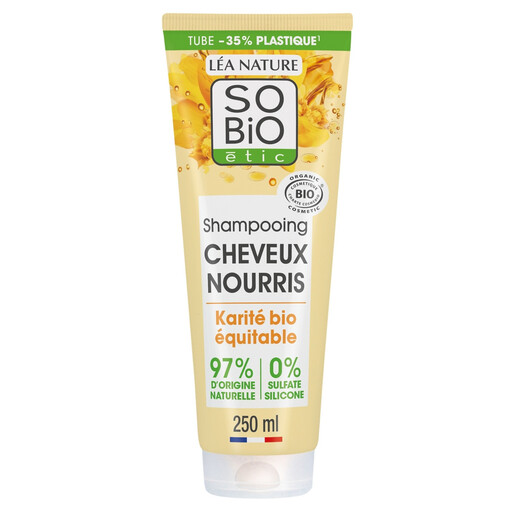
Why this choice suits this profile : Its 250 ml size and formula designed for dry to very dry hair make it easy to try, particularly if you are looking for an option certified in France.
COSMOS ORGANIC certification, the stated sulphate- and silicone-free formula and the detailed ingredients list make it possible to check the main claims.
Shea butter from organic farming, jojoba wax, 97 % naturally derived ingredients and made in France.
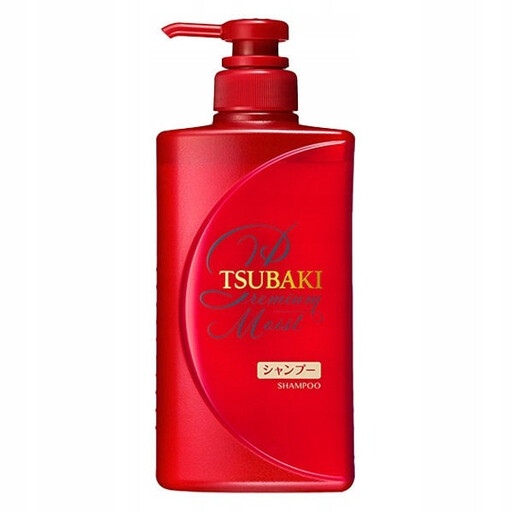
Why this choice suits this profile : Its 450 ml bottle is suitable for a regular routine. The formula combines camellia oil, squalane and conditioning agents to care for dry and damaged hair.
The INCI list shows the presence of Sodium Laureth Sulfate and Sodium Lauryl Sulfate : this shampoo is therefore not sulphate-free, despite its nourishing positioning.
450 ml size, made in Japan, fruity floral fragrance, with camellia oil, squalane and royal jelly extract.
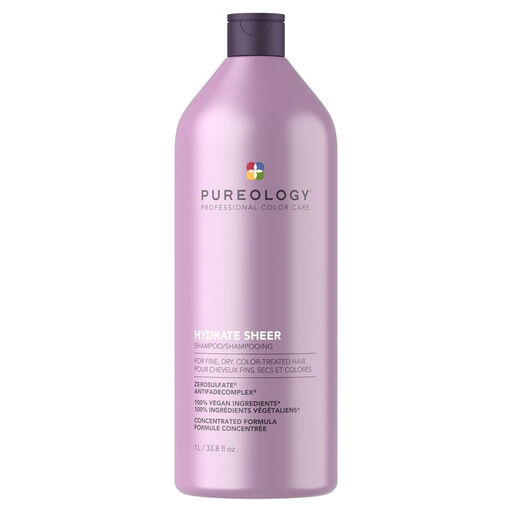
Why this choice suits this profile : Its large size is suitable for frequent washing. The formula is designed for fine, dry and coloured hair, with hydration described as lightweight.
The « sulphate-free » claim matches the list of cleansing agents provided. The product is still fragranced and contains preservatives to bear in mind if you have sensitive skin.
1 litre size, stated vegan formula, sulphate- and silicone-free, with jojoba, green tea and sage.
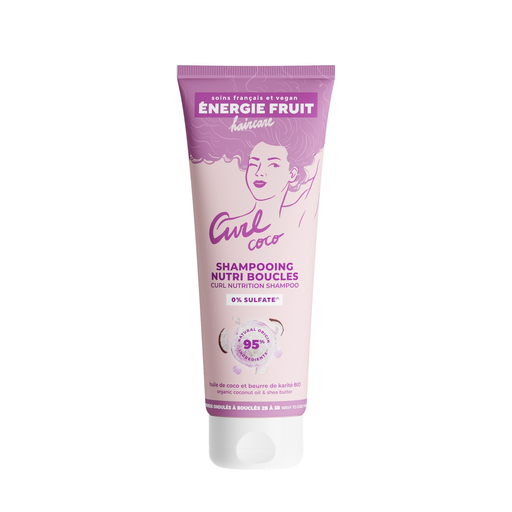
Why this choice suits this profile : Its formula targets wavy to curly hair and combines organic coconut oil with shea butter for a routine focused on definition and flexibility.
The « sulphate-free » and « silicone-free » claims are accompanied by an accessible INCI list, making it easier to compare the product with your current routine.
Mild cleansing agents listed in the ingredients, coconut oil and shea butter, stated neutral pH and 250 ml size.
We have put together a complete, real-time updated selection of products that meet these demanding criteria and European safety standards.
Start with a nourishing formula containing oils, butters, glycerine or conditioning agents. If your hair is fine, use a small amount and focus application on the scalp. Conditioner or a mask applied to the lengths can complete your routine.
Yes. Some people choose a sulphate-free shampoo to reduce the feeling of dryness. However, examine the full ingredients list and the manufacturer’s recommendations. Colour retention also depends on how often you wash your hair, the water temperature and the additional products you use.
There is no one-size-fits-all frequency. Washing two or three times a week may suit some hair types, while others need more frequent cleansing. Adjust your routine according to sebum production, your level of physical activity, the styling products you use and how comfortable your scalp feels.