
Livraison le jour même ou le lendemain

Qualité garantie

Débloquez vos offres de bienvenue: Livraison GRATUITE | Jusqu'à -80 % | 30 jours d'essai gratuits à JoyPlus
Téléchargez l'application
With promises of instant freshness, “natural” ingredients and claims such as “gentle” or “hypoallergenic”, choosing a hair shampoo can quickly become a real headache. A formula that feels perfectly pleasant for one person may cause scalp tightness or dry out the lengths for another.
The best approach is to start with your scalp type, how often you wash your hair and your hair type, rather than the fragrance or appearance of the bottle.
A scalp that becomes oily quickly needs a formula capable of removing excess sebum. However, using a very harsh shampoo repeatedly may mainly end up drying out the lengths.
A shampoo for oily hair should therefore be applied mainly to the roots. For the lengths, the lather that runs through them during rinsing is generally enough: there is no need to rub them vigorously.
An organic shampoo or one of natural origin may suit certain beliefs or preferences, but these claims do not guarantee that it will be suitable for a sensitive scalp. Essential oils, fragrances and certain preservatives may not be well tolerated, even in a certified formula.
Take the time to check the label, the ingredients list and the directions for use. Some organic products, for example, indicate the presence of essential oils and advise against using them during pregnancy.
A silicone-free shampoo may appeal if you are looking for a lightweight feel or want to limit film-forming agents. However, the absence of silicone alone is not enough to assess how gentle a formula is. Surfactants, fragrance, essential oils and pH also matter.
Start by identifying the need that best matches your situation:
The INCI list helps you look beyond the claims on the front of the bottle. In particular, check:
A formula described as hypoallergenic is designed to limit the risk of allergy, but it cannot guarantee that no individual reaction will occur.
A one-litre bottle may be worthwhile for a family or frequent use. A 250 to 300 ml size is better suited to trying a formula or for individual use. Dry shampoo meets a different need: it temporarily freshens the roots between washes, but it does not replace washing with water.
To avoid waste, start with a small amount, apply it to wet hair and rinse thoroughly. A second application may be useful if the hair is particularly laden with sebum or styling products.
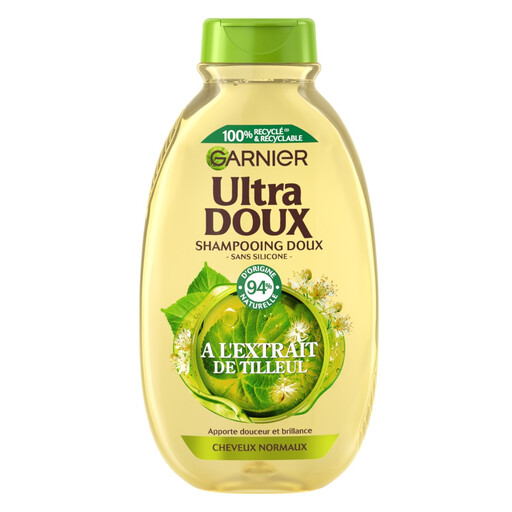
Why this choice suits this profile : Designed for normal hair, this formula contains lime blossom extract and is available in a 300 ml size, making it ideal for getting started without accumulating products.
The description clearly targets normal hair rather than presenting the formula as a universal solution.
Lime blossom extract, easy to use and a 300 ml size.
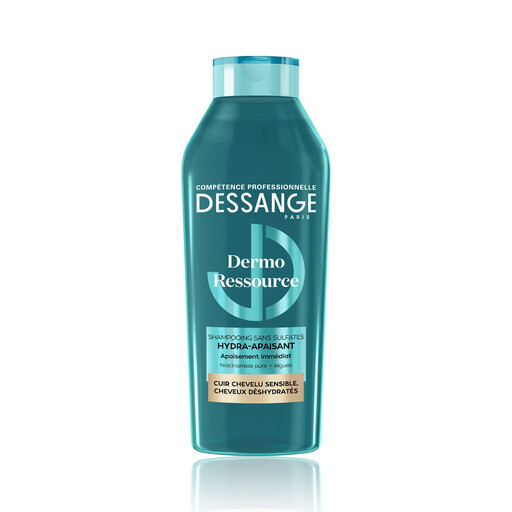
Why this choice suits this profile : This shampoo is aimed at people who prioritise comfort, with a sulphate-free formula enriched with glycerine and niacinamide, among other ingredients.
The product information details any age restrictions and fragrance allergens, helping you make an informed choice.
Sulphate-free formula, glycerine and salicylic acid.
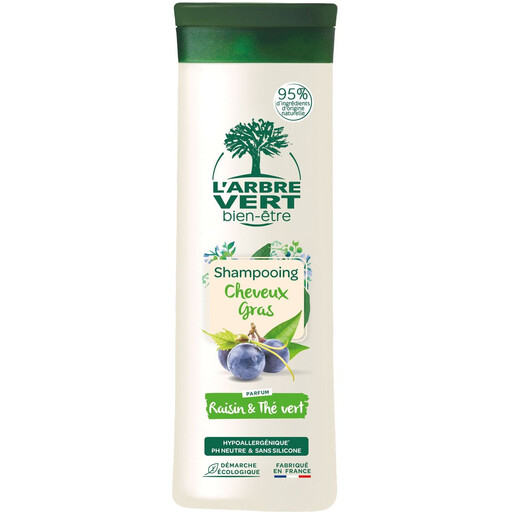
Why this choice suits this profile : Its 250 ml size and formula designed for oily hair are suitable for regular washing when the roots become greasy quickly.
The product information mentions a neutral pH, French manufacture and the absence of persistent silicones, rather than relying solely on a purifying claim.
Grape and green tea extracts, silicone-free formula and hypoallergenic claim.
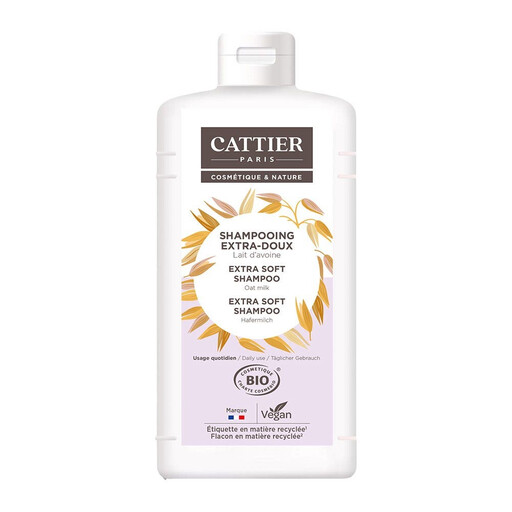
Why this choice suits this profile : The large size means you do not have to keep buying shampoo in households where several people wash their hair regularly.
With its one-litre capacity, the cost per use is easy to assess. The product information also specifies the certification and balanced pH.
1 L size, Ecocert Greenlife organic certification and indication of daily use.
We have brought together a comprehensive, real-time selection of products that meet these demanding criteria, while complying with European safety regulations.
Choose a formula whose checks and directions for use are clearly stated. A shampoo for sensitive scalps may be silicone-free, lightly fragranced or formulated with a balanced pH, but the INCI list remains essential. If you experience tingling or irritation, stop using it immediately.
Yes, some formulas are designed for daily use, particularly gentle or baby shampoos. However, how often you wash your hair depends on sebum production, physical activity, pollution and your styling habits. Massage the scalp without scratching it, then rinse thoroughly to prevent residue building up.
Refer to the symbol showing the period of use after opening or to the information on the packaging. Keep the bottle closed and away from heat and direct sunlight. If the smell, texture or colour changes, it is best to stop using the product.