
Livraison le jour même ou le lendemain

Qualité garantie

Débloquez vos offres de bienvenue: Livraison GRATUITE | Jusqu'à -80 % | 30 jours d'essai gratuits à JoyPlus
Téléchargez l'application
A fizzy drink can accompany a meal, party, picnic or simply a spontaneous craving at home. However, packaging often highlights a flavour, format or promise of lightness without making it easy to compare products. Before buying a soft drink or multipack, a few checks can help you avoid unwelcome surprises.
A fruit-flavoured soft drink may contain concentrated juice, flavourings or both. The presence of orange, strawberry, peach or watermelon on the label does not necessarily mean that the drink is low in sugar. Several fruity soft drinks in 330 ml cans contain around 34 to 35 g of sugar per can—an amount worth taking into account as part of your daily intake.
Conversely, some lower-sugar drinks use sweeteners or contain more fibre. It is therefore better to check the entire nutrition table rather than relying on the colour or design of the packaging.
Claims such as “reduced sugar”, “aspartame-free” or “prebiotic” need to be considered in context. A drink may contain no aspartame while still containing acesulfame-K and sucralose, as with Soofty Strawberry. Meanwhile, SODA YASS and VAÏVAÏ prebiotic soft drinks state that they contain 6.6 g of fibre per can. This information does not, however, constitute medical advice.
To comply with the information requirements applicable in France and the European Union, check the ingredients list, declared allergens, nutritional values and storage instructions.
A pack of 24 cans is practical for a birthday or event, but it takes up more space and may encourage you to buy more than you need when consumption is only occasional. For a few people, a pack of 6 or 12 will often be more suitable. The individual 330 ml format also makes portion control and transport easier.
Start by comparing the values per 100 ml, then calculate them based on the can’s actual volume. Coca-Cola Original, for example, contains 10.6 g of sugar per 100 ml, equivalent to around 35 g per 33 cl. SODA YASS and VAÏVAÏ drinks contain around 3.3 g of sugar per 100 ml, as well as 6.6 g of fibre per can according to the information provided.
The recipe also affects the taste. Sugar gives a rounder mouthfeel, while sweeteners may leave a different aftertaste. A drink described as “aspartame-free” does not necessarily contain no sweeteners.
330 ml cans are suitable for individual meals, breaks and events where everyone takes their own portion. The 355 ml bottles, such as Fria Kola Kolita, may appeal to those who want to enjoy an imported drink at a more leisurely pace, but they are used differently from a multipack of cans.
For a party, simply multiply the number of guests by the number of portions planned. A pack of 12 represents 3.96 litres, while a pack of 24 330 ml cans contains 7.92 litres.
Ingredients are listed in descending order of proportion. Pay particular attention to the presence of concentrated juice, acidity regulators, preservatives, flavourings and colourings. Imported drinks may also include specific information about sweeteners or colourings. The product information for Fanta Jasmine and Peach, for example, mentions the colour E102, together with the regulatory warning concerning children’s activity and attention.
Store your soft drinks in a cool, dry place away from heat and sunlight. An opened can should be consumed promptly to preserve its flavour and fizz as effectively as possible.
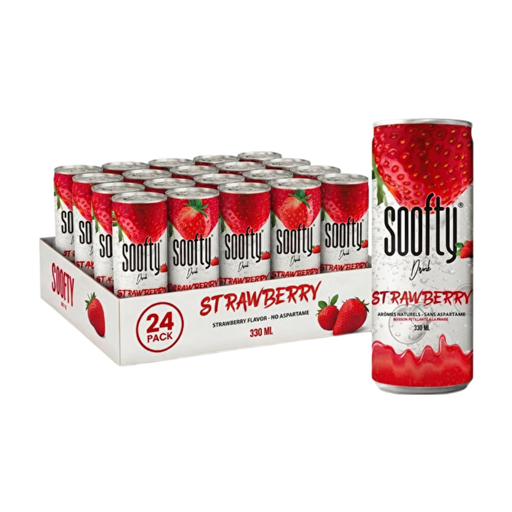
Why it suits this preference: A large 7.92-litre pack for family meals, picnics and get-togethers.
The product information states that it is aspartame-free, but mentions acesulfame-K and sucralose. The table lists around 23 g of sugar per can.
24 x 330 ml cans, a declared natural strawberry flavour and a format that is easy to distribute.
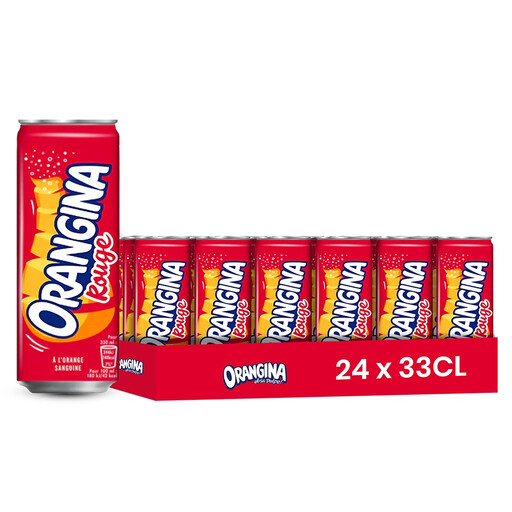
Why it suits this preference: A refreshing fizzy drink combining citrus and red berries—an appealing alternative to traditional cola.
The “reduced sugar” claim is worth checking against the nutrition table: the product information states around 4.3 g of sugar per 330 ml can.
A pack of 24 cans, with orange juice and concentrated red berries according to the product information.
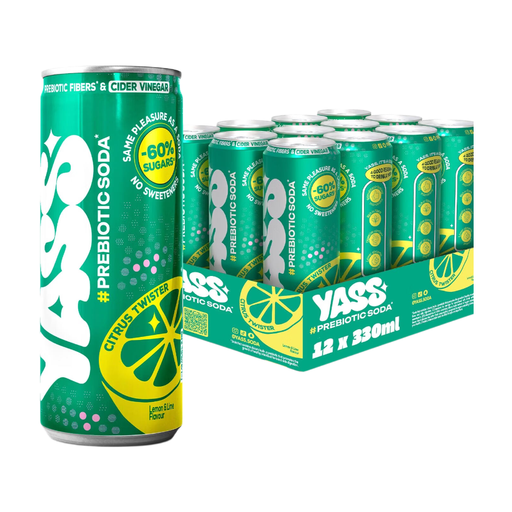
Why it suits this preference: A pack of 12 cans for the office, home or occasional drinking, with a lemon and lime flavour.
The product information mentions 3.3 g of sugar per 100 ml, 6.6 g of fibre and no declared artificial sweeteners. Even so, check the label when your order arrives.
12 x 330 ml cans, around 57 kcal per can and chicory inulin in the recipe.
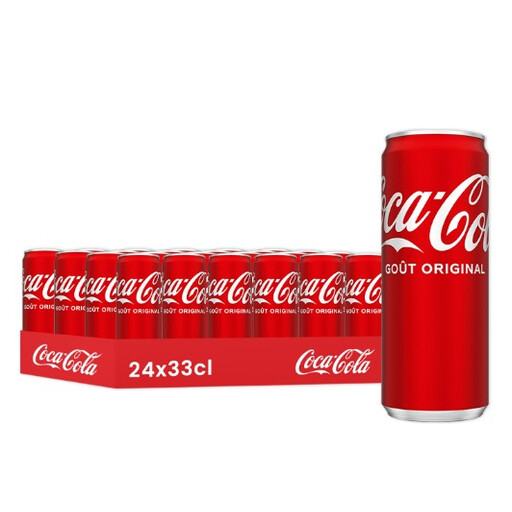
Why it suits this preference: A generous pack for large gatherings, clubs, events and stocking up at home.
A large format does not mean that the drink is low in sugar: the product information states 35 g per 33 cl can, as well as the presence of caffeine.
24 individual cans, declared recyclable cardboard packaging and an alcohol-free cola ready to serve.
Explore an updated selection of soft drinks in a range of formats and flavours, with different sugar levels.
For an event, packs of 24 x 330 ml cans make distribution and portion planning easier. You should also provide water and, depending on your guests’ preferences, several flavours: cola, orange, red berries or more exotic options.
Some products contain less sugar, but it all depends on the recipe. SODA YASS and VAÏVAÏ products state that they contain around 3.3 g of sugar per 100 ml and 6.6 g of fibre per can. Always compare these figures with the label on the product you receive : they are not a substitute for medical advice.
Store cans and bottles in a cool, dry place away from sunlight. Serve them well chilled. Once opened, consume the drink promptly to minimise the loss of carbonation and any change in flavour.