
Livraison le jour même ou le lendemain

Qualité garantie

Débloquez vos offres de bienvenue: Livraison GRATUITE | Jusqu'à -80 % | 30 jours d'essai gratuits à JoyPlus
Téléchargez l'application
A sparkling soda can accompany a meal, refresh a break, or complete a buffet. But from one product to the next, the differences go beyond just taste. The amount of sugar, the presence of sweeteners, the volume of each can, and the number of units in a pack all have a direct impact on both usage and budget.
Before buying sodas or fizzy drinks, three common pitfalls keep cropping up.
To compare a fruit soda, a lemonade, or a flavoured sparkling water, start with the "of which sugars" line, given per 100 ml. This is the best basis for comparing containers of different sizes.
A 330 ml can represents roughly 3.3 times the values shown per 100 ml. For example, SOOFTY drinks sold in packs of 24 contain around 10.5 g of sugars and 42 kcal per 100 ml, which works out at nearly 34.7 g of sugars and 139 kcal per can. By contrast, MAISON PERRIER Chic Citrus Fizz shows 2.2 g of sugars and 10 kcal per 100 ml.
Drinks labelled as "low in sugar" may contain sweeteners. That is not necessarily a problem, but do check the ingredients if you want to avoid sucralose, acesulfame-K, or other sweeteners.
A prebiotic soda like SODA YASS, VAÏVAÏ, or XOXO contains added fibre. SODA YASS Red n Blue and Pinky Lemonade show 6.6 g of fibre per 330 ml can, with chicory inulin in their ingredients. This information describes the product, but it is not a medical promise. A brand's claims about digestive comfort remain marketing statements, not a guarantee that applies to every consumer.
Also check:
The label on the product you receive is the definitive reference. Recipes and packaging can change.
The 250 ml size from NOW COCO is ideal for a quick break. 330 ml cans are better suited to lunch, drinking on the go, or individual servings. Packs of 6 let you try a product or share it over a meal, while packs of 12 and 24 are more suited to regular needs.
For a party, think ahead about chilling, transport, and flavour choices. A tropical fruit drink, a lemon lemonade, and a sparkling mineral water let you offer variety without buying huge volumes of each.
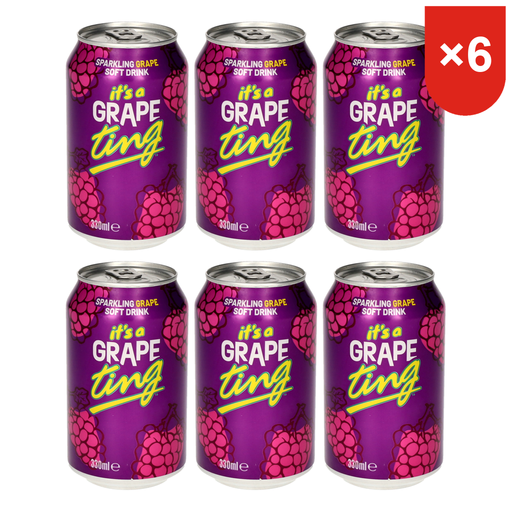
Why this choice suits this profile: its pack of 6 keeps the initial spend low and lets you try the grape flavour before committing to a larger quantity.
The listing shows 18 kcal and 4.4 g of sugars per 100 ml – clear figures to compare before you buy.
330 ml cans, a grape flavour, and best enjoyed well chilled.
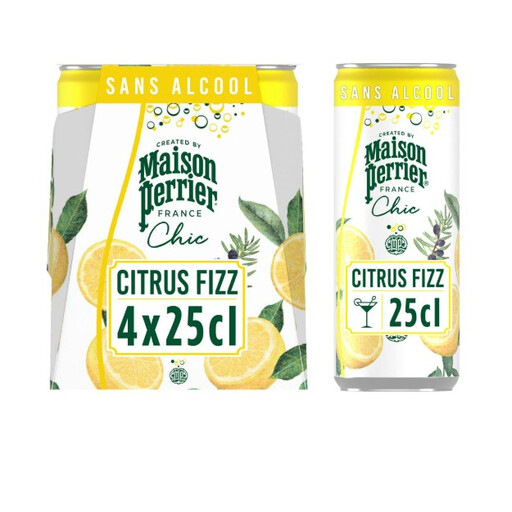
Why this choice suits this profile: its small pack of 4 and zesty lemon recipe fit perfectly at the dinner table or with pre-dinner drinks.
The listing states the drink contains 5% lemon juice from concentrate and separately shows 2.2 g of sugars per 100 ml.
A 4 × 25 cl format, just 10 kcal per 100 ml, and made in France.
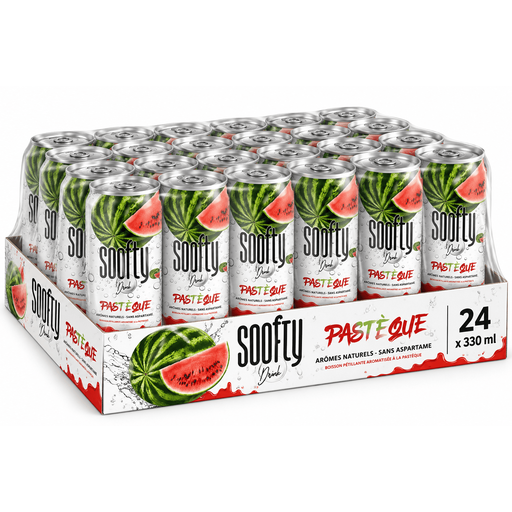
Why this choice suits this profile: with 24 cans, this large format is ideal for the office, events, and households that regularly serve chilled drinks.
The total volume is clearly stated: 24 × 330 ml, which is 7.92 litres. You can easily work out the storage space needed and the cost per litre.
A watermelon flavour, slim cans, and the option to drink it on its own or use it as a base for a non-alcoholic mixer.
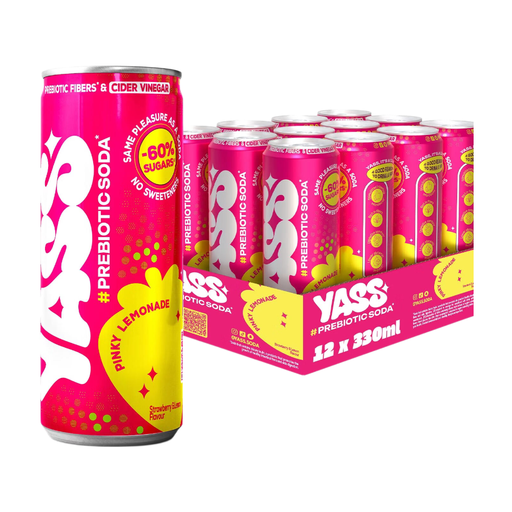
Why this choice suits this profile: its lemon-strawberry flavour and nutritional profile, presented as reduced in sugar, appeal to shoppers who want to compare lower-sugar options.
The listing shows around 3.3 g of sugars and 17 kcal per 100 ml, with no artificial sweeteners declared. Always check the information on the packaging you receive.
A pack of 12, 6.6 g of fibre stated per can, and a pink lemonade flavour.
We have put together a full selection, updated in real time, of products that meet these exacting criteria and European safety regulations.
Before opening, stick to the date on the packaging and store the cans in a cool, dry place away from sunlight. Once opened, drink it promptly and put it in the fridge if the label recommends it.
No. Some recipes reduce the amount of sugar without adding sweeteners, while others combine sugar and sweeteners. Only the ingredients list can tell you the exact composition.
A pack of 12 or 24 cans works well for regular consumption and gatherings. To try a new flavour, a pack of 4 or 6 stops you being left with a large stock if it does not go down well with everyone.